 By st20113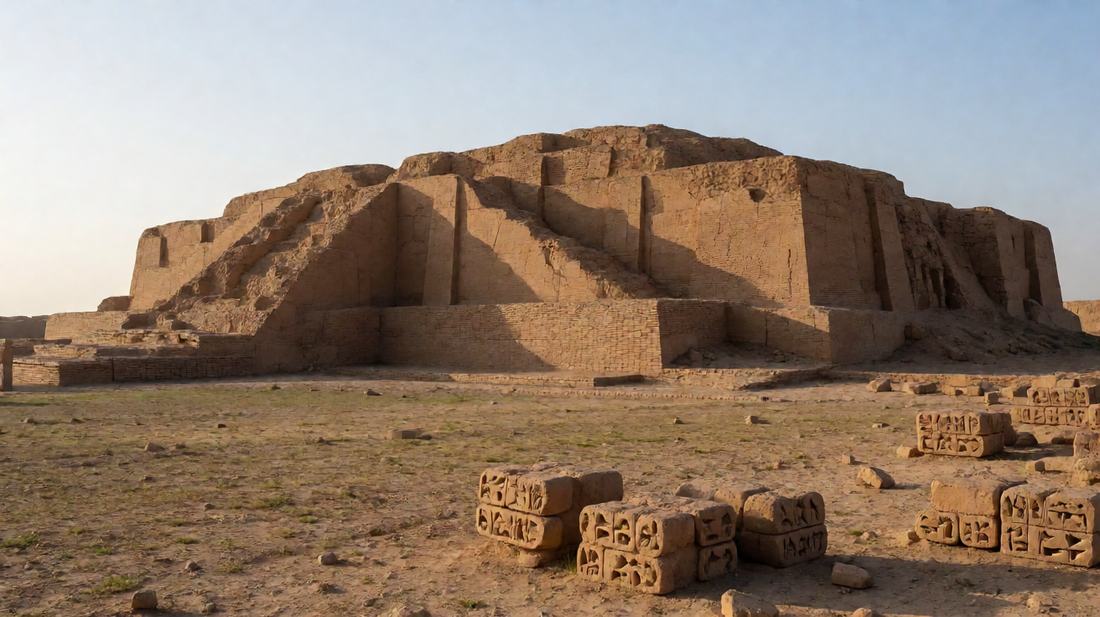
Mesopotamia | The Cradle of Civilization
Historical Profile · Sumer, southern Iraq
Mesopotamia | The Cradle of Civilization
Between two rivers and with almost no stone or rain, Sumer invented the city, the school and the written contract.
c. 3500-1600 BC
Period
Rivers
First writing
Law code
Number base
The big picture
Introduction
Mesopotamia was the first place with cities. It lay in the flat land between two rivers. That land is now Iraq and eastern Syria. It had no stone, no wood and almost no rain.
It did have mud, river water and a long growing season. Out of these three things its people built the first city life on earth. They also made the first writing, the first schools and the first law codes.
Setting
Historical Context
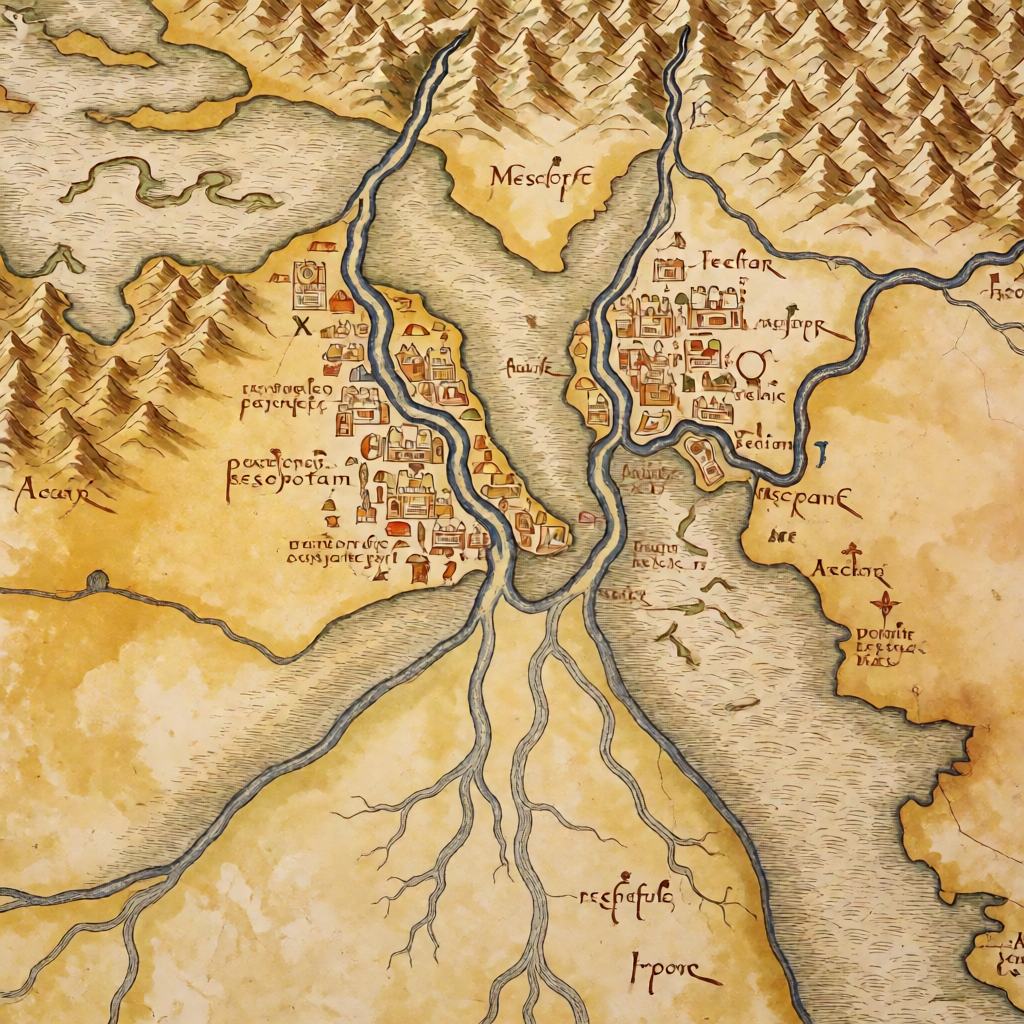
The name comes from Greek. It means ‘between the rivers’. The two rivers rise in the mountains of eastern Turkey. They run south-east for about 1200 km. Then they reach the Gulf. Each spring the snow melts in the hills.
The rivers rise and the plain floods. Farmers held the water back with dykes. Later they let it out through canals. Water on the fields turned a dry plain into rich farm land. But the canals needed a whole community to keep them clear. That is why towns appeared here first.
The south of the region was called Sumer. Its cities were Uruk, Ur, Lagash, Nippur and Eridu. They were built of mud brick on low platforms. Each one had a temple to its own god. By about 2900 BC Uruk may have held 40000 to 80000 people. No other place on earth was that big at the time.
Turning points
Key Events
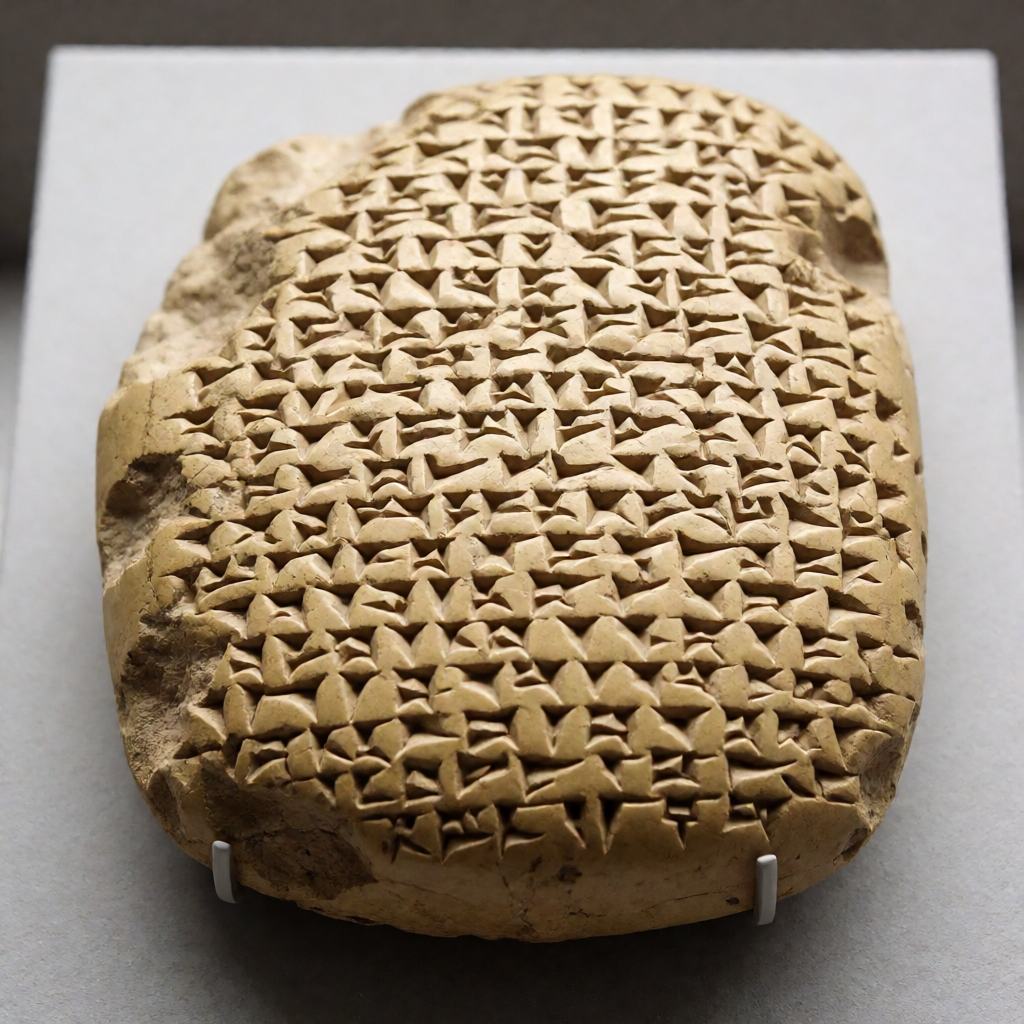
The first cities grew between about 3500 BC and 3000 BC. Historians call this the rise of cities. It happened fast. Writing appeared at almost the same time. The oldest tablets come from about 3200 BC. They are not poems or prayers.
They are accounts. They list barley, jars of beer and animals. Sumer was never one country. Its cities fought each other for land and water for centuries. Around 2334 BC a ruler called Sargon of Akkad took the whole plain. He made the first empire in history.
It lasted about 200 years. Then it broke up. Power moved north to Babylon. Its king Hammurabi issued a famous law code around 1754 BC. Later the Assyrians built an empire of their own. After them came Babylon again, and then Persia.
1
2
3
Who held power
People and Powers
Mesopotamian society had ranks. It was not equal. The king sat at the top. He was also the chief priest. Below him came temple officials and scribes. Then came merchants, craftsmen and farmers. At the very bottom were slaves. Most were prisoners of war or people sold for debt. The temple was the centre of trade and of faith. It owned land, workshops and flocks.
It stored grain for bad years. The palace was the other great power. The two were often rivals. Kings said the gods had chosen them. They proved it by building walls and canals. Clay records show how people ran their own lives. There are contracts for loans, marriages and house sales. Women in the cities could own land and run a business. They could sue a neighbour or act as a witness. A few became priestesses with large estates.
Families were big. Children were expected to care for their parents in old age. Most people could not read. Yet writing was everywhere. Labels, receipts and prayers were all pressed into clay. The law still treated people by rank. Hammurabi set one fine for hurting a noble. A smaller fine applied to a commoner. A slave cost less again.
Everyday world
Daily Life and Society
Most people farmed. Their year followed the flood, the sowing and the harvest. Barley was the base of everything. People ate it as porridge and flat bread. They drank it as beer, which was safer than the river water.
Fish came from the rivers and the marshes. Dates and onions grew in the gardens. Houses were made of mud brick around a small court. Flat roofs were used for sleeping in the hot weeks. People owned few things.
In the cities they still lived in a planned world. Streets were laid out. Drains took waste water away. There were markets, canals and public wells.
Craft and ideas
Trade, Technology and Ideas
Mesopotamia had no metal and no building stone. Almost everything hard had to be brought in. In return it sold cloth. Flocks of the domestic sheep were the engine of the economy. Temple and palace kept huge herds. Thousands of women spun, dyed and wove the wool.
Cloth went north and east. In came copper, tin, timber and lapis lazuli. The other export was knowledge. Cuneiform writing was pressed into wet clay with a cut reed. It spread across the Near East. It was still in use 3000 years after it began.
The Babylonians worked in units of 60. That is why an hour has 60 minutes. It is also why a circle has 360 degrees. They could solve equations and predict eclipses. They could even work out the square root of 2. Schools called tablet houses trained boys to read and write.
What lasted
Legacy
Almost everything a city needs was invented here first. The list runs from the brick and the wheel to the plough, the arch, the canal and the written contract. The ziggurat at Ur went up around 2100 BC. It still stands as a stepped platform of brick.
Mesopotamia also gave the world its first long story. The Epic of Gilgamesh was written on clay tablets from about 2100 BC. It tells of a king of Uruk and his friendship with a wild man. It tells of a great flood and a failed search for long life.
It is the oldest surviving work of literature. It was lost for more than 2000 years. Then diggers found the tablets in the ruins of Assyrian libraries.
Quick hits
Five Things to Remember
- The first cities appeared in Sumer between about 3500 BC and 3000 BC.
- Canals had to be kept clear by the whole community, and that made cities possible.
- The oldest writing, from about 3200 BC, was made to record grain, beer and animals.
- Wool cloth was the great export, and the sheep flocks belonged to the temple.
- The base-60 system of Babylon gave us 60 minutes in an hour and 360 degrees in a circle.
[…] The peninsula had been a land of many small states. The centre is a high dry plateau. The valleys below it held towns that traded in metal. Well before 2000 BC merchants came from Mesopotamia. […]