 By Iris
Atractosteus spatula | Alligator Gar
Species Profile · Lepisosteidae
Alligator Gar
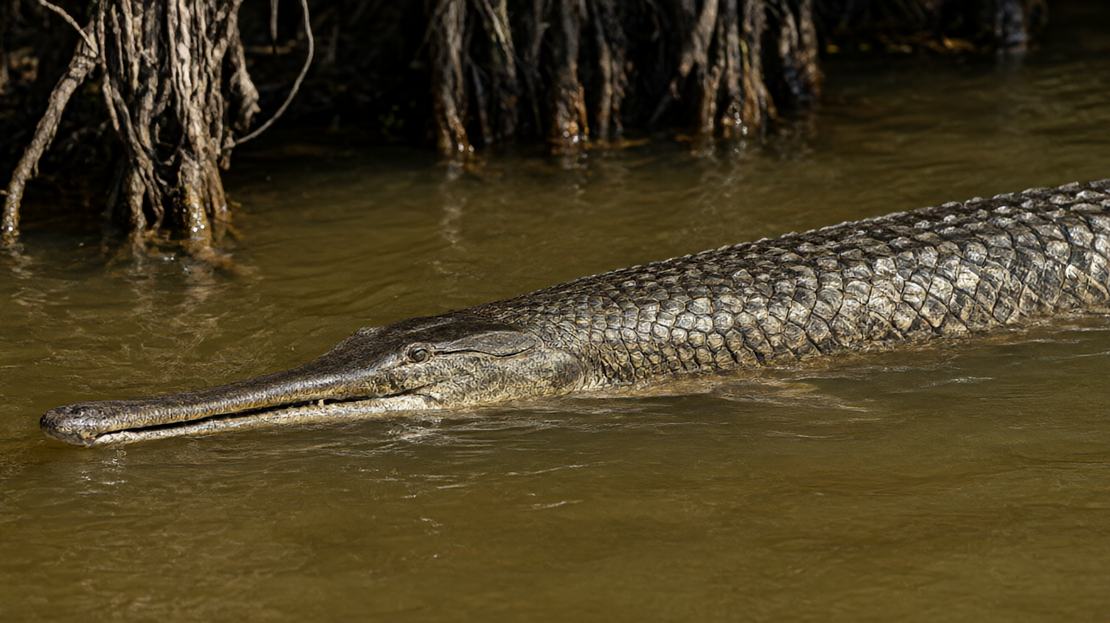
A long fish lies still at the surface of a slow river.
Least Concern
Length
Weight
Scales
Breathing
Eggs
Rating
The Alligator Gar
Armour and a lung
A long fish lies still at the surface of a slow river. Its snout looks like a crocodile’s, with two rows of teeth. This fish can pass three metres in length.
Because it breathes air, it survives water that would kill most fish, and it can gulp from the surface at will. It has been around, in roughly this form, for a very long time. Anglers once shot it on sight.
Family tree
Lepisosteidae, seven living species
Its proper name is Atractosteus spatula, and it belongs to the gar family. Lepisosteidae holds seven living species, all in North America. A Queensland Lungfish shares the air-breathing habit, though the two lines split long ago.
Both animals keep traits that other fish lost, and both are called living fossils. Gars sit near the base of the ray-finned fishes. Two rows of teeth in the upper jaw separate this species from the others.
Scales like enamel
How to tell one
Length runs to 3 m, and weight can pass 100 kg. Females grow larger than males. Its scales are coated with ganoine, which works almost like enamel and makes the skin very hard to pierce. Because the armour is so hard, early naturalists struggled to prepare specimens, and some gave up on the species.
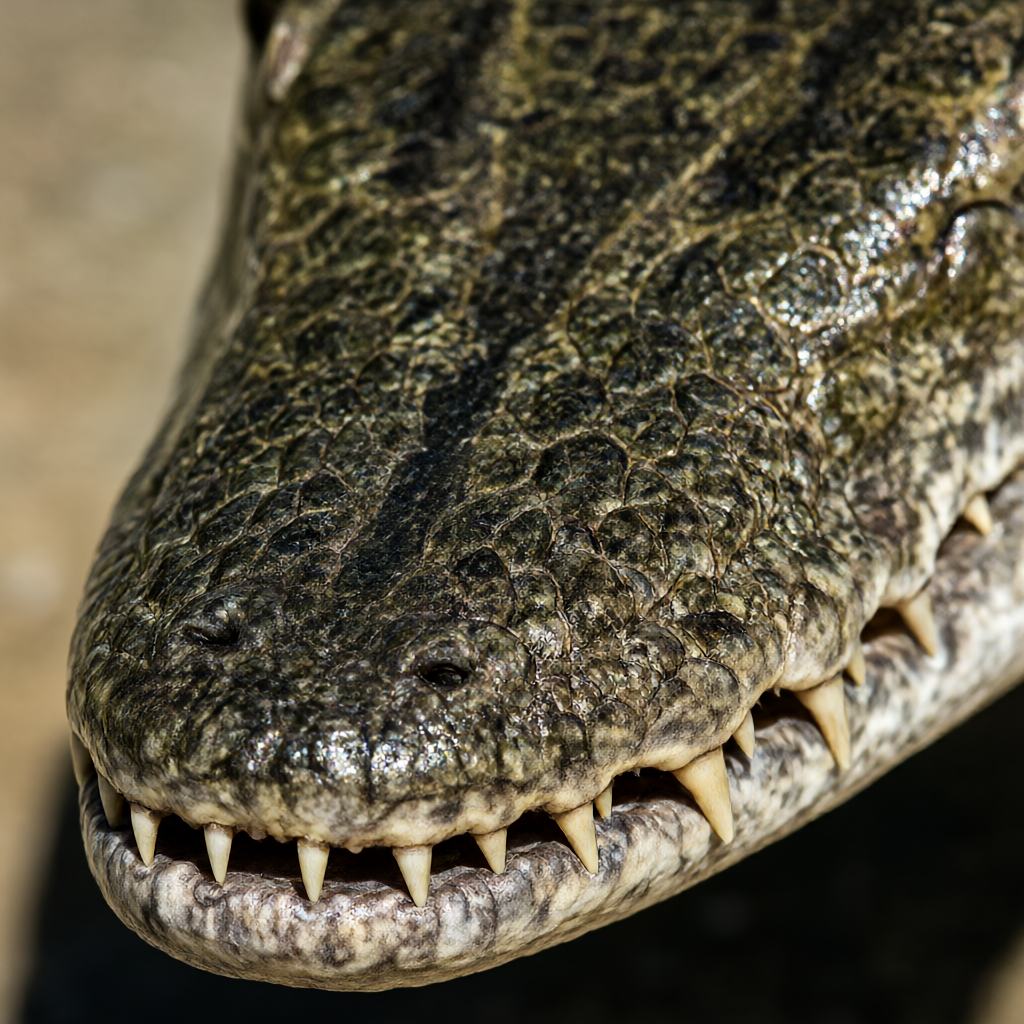
Its snout is short and broad, with two rows of sharp teeth. Its swim bladder works as a lung, so the fish can gulp air. Its tail is rounded, and the fins sit far back.
1
2
3
Warm, still water
Where it lives
Slow rivers, bayous and pools hold the species. Its range covers the Mississippi basin and the Gulf coast into Mexico. Flooded forest matters for spawning. Because the young need shallow water with cover, they stay in pools for months before they move out.
Adults tolerate brackish water and have reached the sea, though they return to fresh water to spawn. Where a river is dammed, the flood cycle stops and spawning fails. Warm, still water with low oxygen suits it.
Fish, ambushed
What it eats
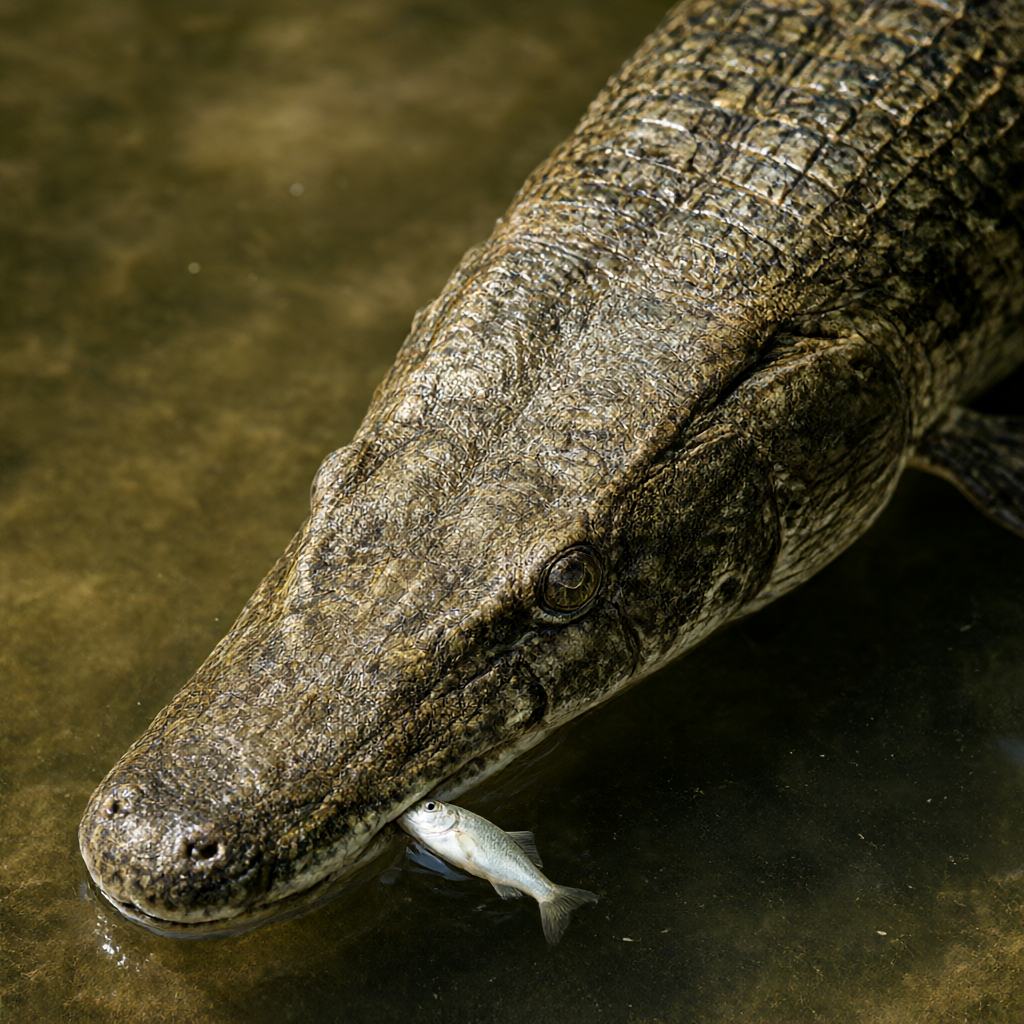
Fish make up most of the food. Crabs, turtles and water birds are taken when the chance comes. Because the fish ambushes from cover, it strikes sideways with a fast snap. Those teeth grip rather than cut.
A large adult can take prey half its own length. Feeding happens mostly at night. Nothing in the diet is filtered or grazed.
Floods, and toxic eggs
The breeding cycle
Spawning follows spring floods. Adults move into flooded grass and shallow pools. A female releases a large number of eggs, and several males fertilise them. Because the eggs are toxic, few animals eat them.
Incubation takes only a few days in warm water. Larvae attach to vegetation, then drift with the current. Young fish grow quickly, and they reach a metre within a few years.
Least Concern
Conservation
Red List status is Least Concern. It has recovered across much of its range. Because states now protect it, the old bounty hunts have ended.
Dams block the floods that spawning requires. Because the eggs are poisonous, the fish was once killed to protect stock. Sport fishing now brings income, and catch-and-release is common.
Habitat loss in the delta remains a concern. Numbers appear stable, though the largest fish are now rare.
Side by side
How It Compares
| Trait | Alligator Gar | Queensland Lungfish |
|---|---|---|
| Family | Lepisosteidae | Ceratodontidae |
| Air breathing | swim bladder as a lung | a single lung |
| Scales | ganoine, enamel-like | large and thin |
| Size | up to 3 m | up to 1.5 m |
| Range | Mississippi basin | one river system |
| Rating | Least Concern | Vulnerable |
Common misreadings
What People Get Wrong
- Not a gar that stays underwater. It gulps at the surface. The swim bladder works as a lung, so the fish can take air and hold position in water that would kill most others.
- Not a species with soft scales. Ganoine hardens them. The covering works almost like enamel, and early naturalists found the skin so tough that preparing a specimen became a trial.
- Not a fish that spawns in the main channel. Floods decide it. Eggs go down in flooded grass, and a river that never leaves its banks produces no young at all.
Going further
Sources and Further Reading
Quick hits
Five things to remember
- Those scales are so hard that early settlers used them as arrowheads.
- Gar eggs are toxic to mammals, and eating them has poisoned people and dogs.
- The gar can breathe air, so it survives in water that holds almost no oxygen.
- A female may carry eggs that weigh more than a tenth of her total body mass.
- It reached 3 m in the past, though fish over 2 m are now unusual.