 By st20113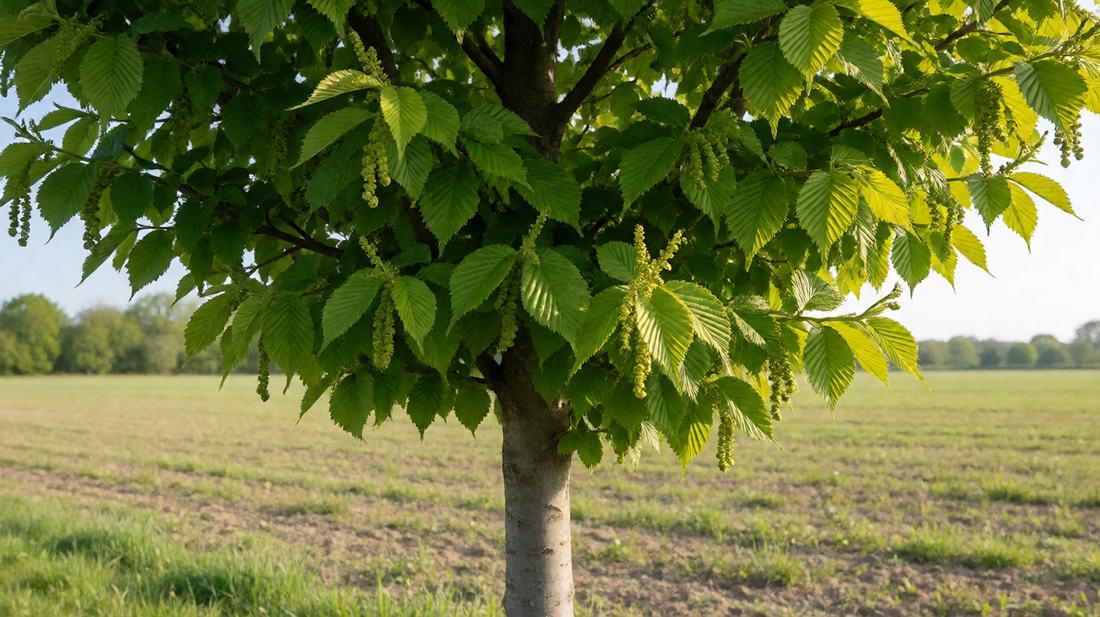
Ulmus glabra | European Elm
Species Profile · Ulmaceae
European Elm
The tall, long-lived tree of the farm, the hedge and the river bank — grown for its hard wood and its wide shade, and now studied after the disease took it from the north.
IUCN: Not Evaluated
Range
Height
Wood
Fruit
Threat
The long-lived tree of the farm
Grown for the wood and the shade
The European elm is a tall, long-lived tree. It grows on the fields, the village green and the river bank of the temperate north. It was for centuries the commonest of the large trees of the farm. It was grown for its hard wood. It was also grown for the shade of its wide, open crown. It is a tree of the open, moist ground.
It will grow from the heavy clay of the river valley. It will also grow up into the lighter loam of the upland. The living part of the tree is a small one. Its leaves are large and oval. They carry a fine, pointed, serrated edge. Its bark is grey and long.
Its crown is one of the widest of the trees of the north. The tree is a long-lived one. It will stand in the same spot for a few hundred years. It has been a central part of the farm for as long as the records of the field go back. It was the tree that was grown in the hedge and the orchard. It gave the wood and the shade.
Family tree
Ulmaceae, the elms
The European elm is in the family Ulmaceae. That is the elm family. It sits in the genus Ulmus. The Swedish naturalist Linnaeus described it in 1758. It has stayed in the family ever since. The family Ulmaceae is one of the large families of the temperate trees. It carries the elms of the north and the elms of the south.
It is defined by the way the fruit is carried. The fruit is a flat, round, winged seed that the wind carries in the spring. The species sits among the 4 or 5 close relatives of the north. The whole group is one of the most studied of the temperate trees. That is because the tree has been one of the most central of the farm for so long. Its close relatives in the other seas are the American elm and the Chinese elm. The whole group is one that is spread across the temperate north.
The European elm shares the family with the cherry blossom. That is a very different family and a very different kind of tree. The two live in the same place. They meet in the orchard and the hedgerow. The cherry is one of the trees that is grown for the blossom and the fruit. The elm gives the wood and the shade.
Oval leaves, the winged seed
How to tell one
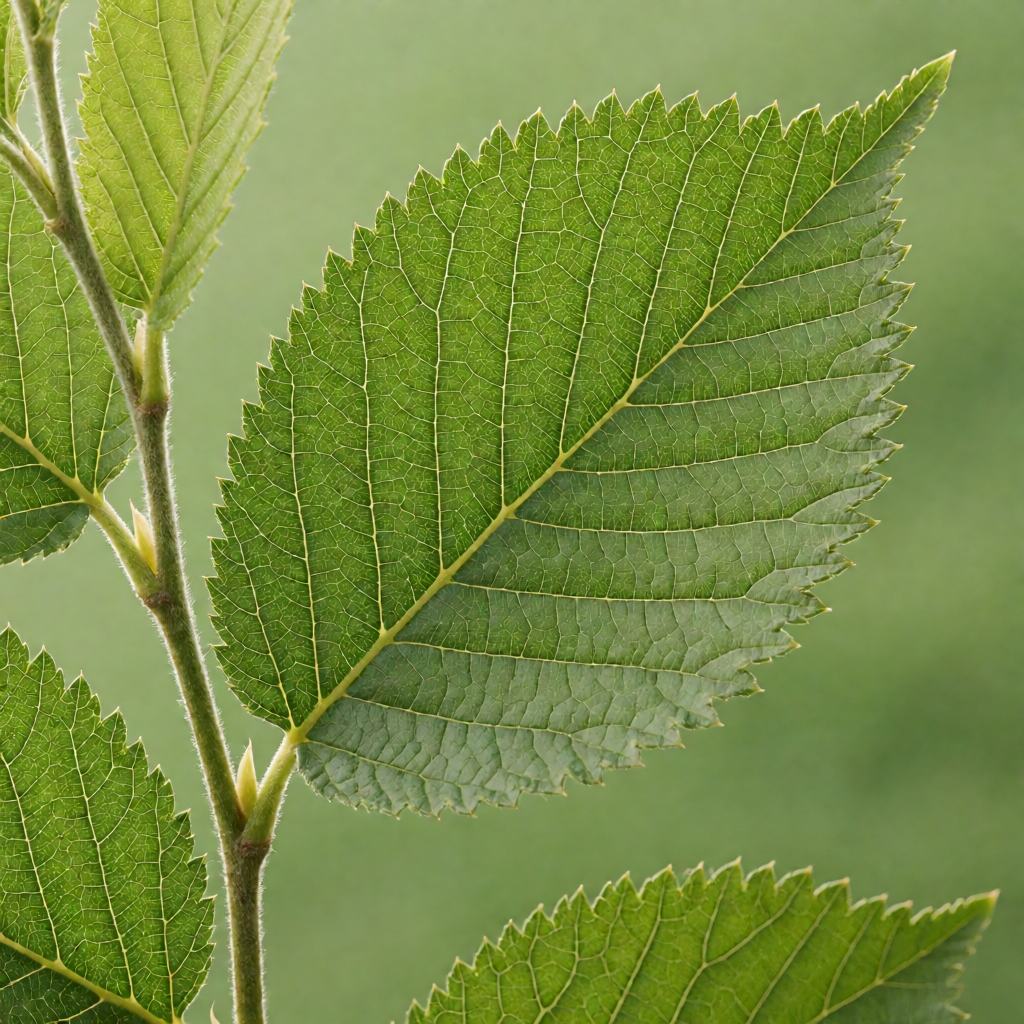
The European elm is a large, long-lived tree. It will grow to a height of 30 to 40 m. Its trunk will be a metre or more across. Its crown is wide and open. Its branches are long and slender. Its leaves are large, oval and finely serrated at the edges.
Its bark is grey and long. It is one of the marks of the old tree. Its inner wood is a hard, red-brown one. It was used for the post and the beam of the house. The tree is a strong root. It will spread the roots out in the shallow ground.
It is one of the trees that will stand in the wet ground that the others will not. Its fruit is a small, flat, round seed. It is the structure that the wind carries in the spring. The whole tree is one that is easy to tell by the leaf and the fruit.
1
2
3
Open moist ground, the heavy clay
Where it lives
The European elm lives in the open, moist ground of the temperate north. It is a tree of the river valley, the wet meadow and the heavy clay. It will grow from the lowland up into the hill. It is one of the trees that will stand in the ground that is too wet for the others.
The species is one of the commonest of the large trees of the farm. It was grown in the hedge and the orchard for the wood and the shade. The tree is a strong, hardy one. It will stand the cold of the winter and the wet of the spring.
The elm is a tree of the open ground. It will not grow in the deep shade of the forest. It is one of the trees that is most at home in the light of the open field.
Its own food, and the bees
What it eats
The tree makes its own food. It takes the light of the sun and the water of the ground. It will grow in the open, moist field that is too wet for the others.
The leaves are the structure that the tree uses to take the light. The roots are the structure that it uses to take the water and the mineral from the soil. The tree is fed by the insects and the birds that come to it.
The leaves are the food of the small caterpillars of the few moths that feed on it. The elm is one of the trees that the bees come to in the spring. The catkins are the food that the insects take from the tree in the early season.
Flowers before the leaves
The breeding cycle
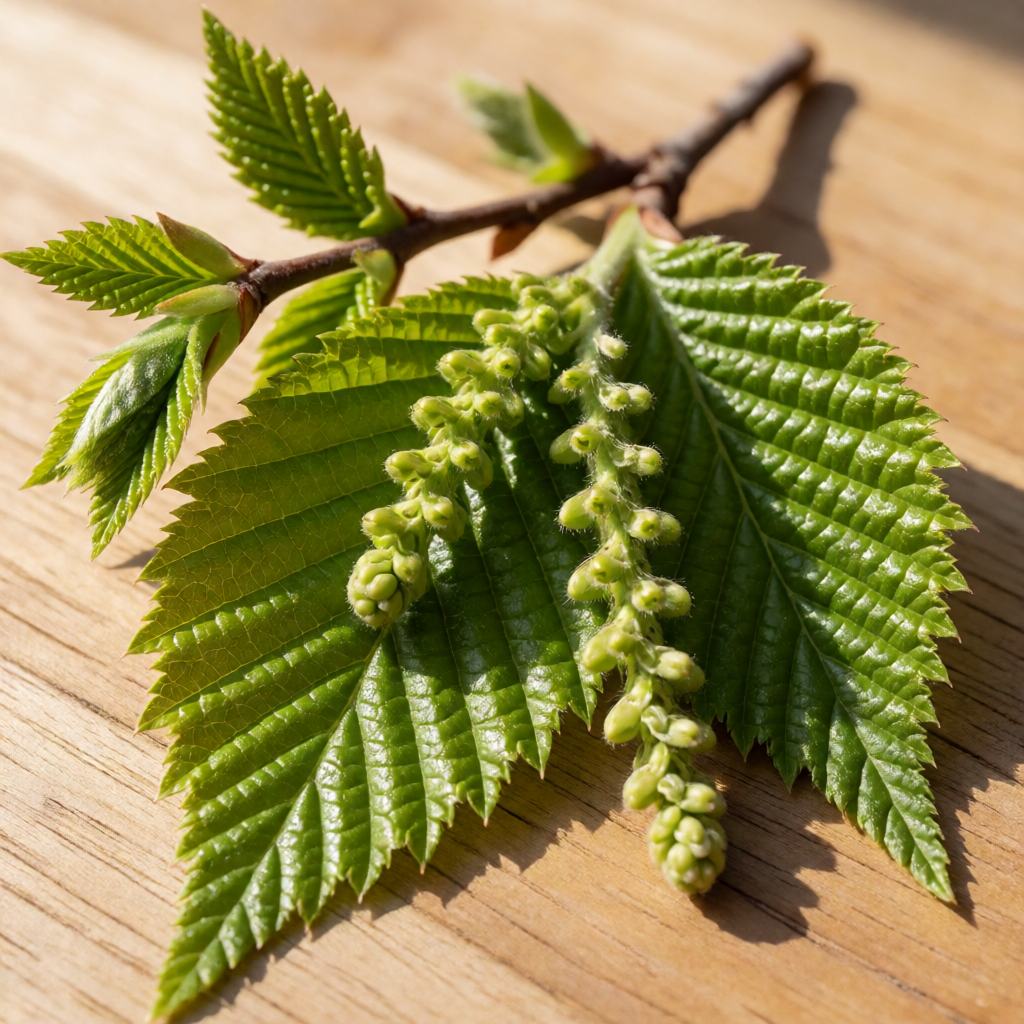
The European elm flowers in the early spring, before the leaves are out. Its flowers are small and dark. They sit in clusters at the base of the leaf. The tree carries the male and the female flower on the same tree.
The wind carries the pollen from one tree to the other. Each seed is flat, round and winged. The wind carries it on in the spring. A single tree will carry a great many of the seeds.
The few that will find the open ground and take root are the ones that will grow into the next tree. The elm is one of the slow trees. It will not flower until it is a few dozen years old. It will not grow to the full size of the crown for a hundred years or more.
Less danger, a wood disease
Conservation
The European elm is not a tree that is in danger. It is one of the commonest of the large trees of the farm. It does not appear on the list of the threatened trees. Its range is still as wide as it has been.
The one real threat is a disease of the wood. It has taken the elm from the fields of the north over the last few decades. The tree is now one that is studied by the people who care for the old trees of the farm. The disease is carried by the small insect that comes to the tree.
The tree that has been taken by it will stand for a few years before it dies. The species is one that is planted in the field for the wood and the shade. It is one of the trees that is kept by the people who care for the old farm.
Quick hits
Five things to remember
- The European elm grows to a height of 30 to 40 m. Its trunk runs a metre or more across.
- The heartwood of the elm is a hard, red-brown wood. The farm house used it for its post and its beam.
- The tree is a strong root. It will spread the roots out in the shallow ground that is too wet for the other trees.
- The elm is a slow tree. It will not reach the full size of the crown for a hundred years or more.
- A disease of the wood has taken the elm from the fields of the north over the last few decades. It is now studied by the people who care for the old trees.