 By st20113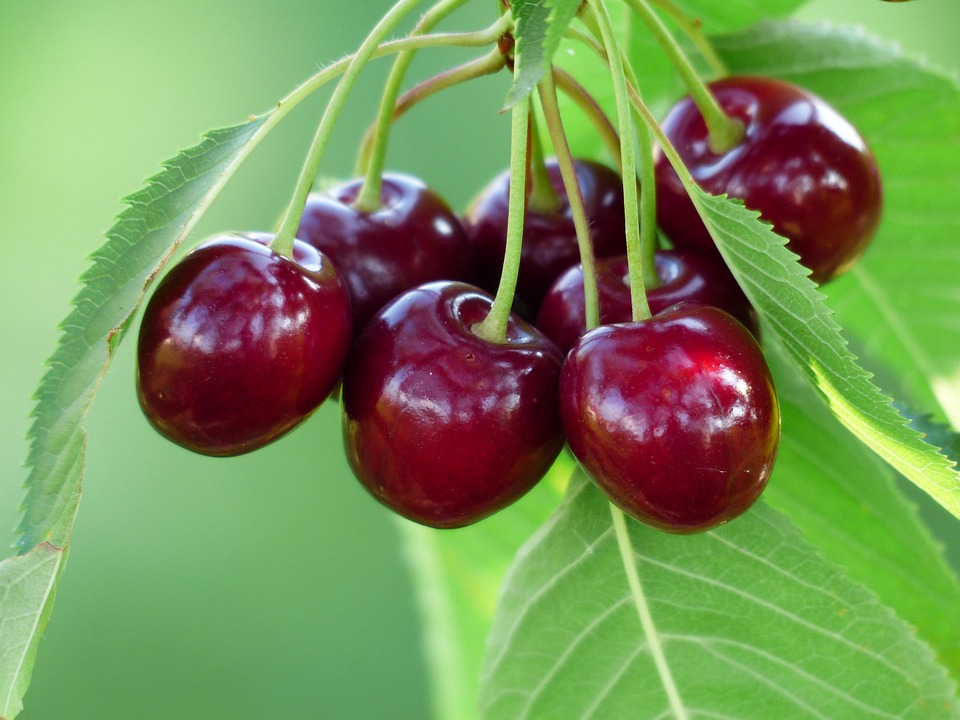
Cherry Blossom (Prunus serrulata), known as Sakura in Japanese, refers to the ornamental cherry trees of the genus Prunus and their stunning springtime display of pink and white flowers. This fleeting bloom has become one of the most celebrated natural phenomena in the world, drawing millions of visitors to viewing festivals across East Asia and North America.
Physical Characteristics
Cherry Blossom trees vary widely in size and form depending on the cultivar. Ornamental cherry trees typically grow 5 to 12 meters tall, with a graceful spreading or vase-shaped canopy. The bark is smooth and reddish-brown, with distinctive horizontal lenticels.
The flowers are the tree’s most celebrated feature, appearing in clusters of two to five blooms in early spring, often before the leaves fully emerge. Flower colors range from pure white to every shade of pink, and the petals may be single, semi-double, or fully double (pom-pom style). Most ornamental cultivars produce no fruit — only the purely ornamental display of blossoms.
Cultural Significance
In Japan, Cherry Blossom holds profound cultural meaning, symbolizing the transience and beauty of life — a concept embodied in the Japanese term mono no aware (“the pathos of things”). The tradition of hanami (flower viewing) dates back over a thousand years, with emperors and commoners alike gathering beneath the trees to appreciate the blooms.
The cherry blossom has also become a symbol of international friendship. Japan gave 3,020 Cherry Blossom trees to Washington D.C. in 1912 as a gift of diplomacy, and these trees remain a major attraction along the National Mall today.
Bloom Phenomenon
The bloom date of cherry blossoms varies by latitude and elevation, moving northward across Japan as spring progresses — a phenomenon tracked by the Japan Meteorological Agency as the “Sakura Front.” In Tokyo, peak bloom typically occurs in late March to early April. Climate change has been gradually shifting bloom dates earlier in recent decades.
In Art and Literature
Cherry blossoms have inspired countless works of art, poetry, and literature throughout East Asia. In Japanese woodblock prints (ukiyo-e), cherry blossoms appear as recurring motifs depicting seasonal festivals, romantic scenes, and contemplative landscapes. The aesthetic of cherry blossoms — beautiful, transient, and inseparable from the passing of time — has permeated East Asian art and philosophy for centuries.