 By st20113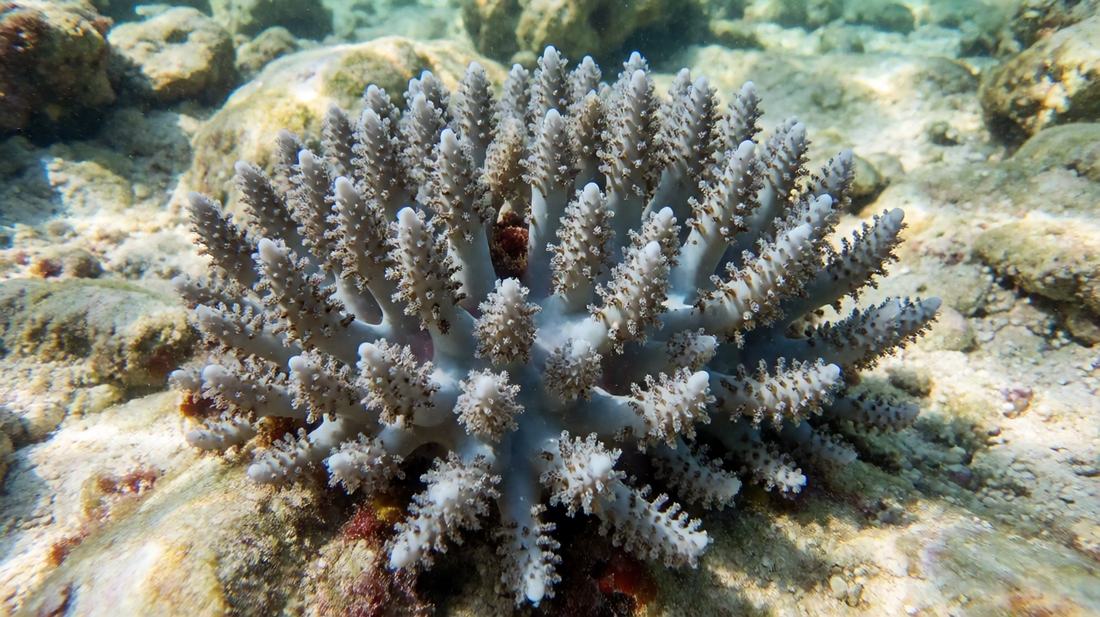
Alcyonium digitatum | Dead Mans Fingers
Species Profile · Alcyoniidae
Dead Mans Fingers
The pale soft coral that looks like a dead hand reaching out of the rock — a colony of thousands of tiny polyps that feeds only when the water moves.
IUCN: Not Evaluated
Range
Height
Depth
Tentacles
Brood
The hand in the rock
A soft coral, not a plant
Dead mans fingers is a soft coral. Divers find it on rocky sea beds around Britain and northern Europe. It looks like a pale hand reaching out of the rock. It is not a reef coral. It has no hard skeleton. It is a soft mass of lobes. It stands up because it is full of water. Tiny spicules in the flesh help hold it up.
The lobes are pale grey, blue or yellow. They feel smooth and soft when it is shut. They change when it feeds. Thousands of small polyps push out of the skin. They turn the whole colony into a fuzzy, feathery mass. That change fools people. They take it for a plant or a sponge until it opens. It lives on rock, stones, shells, wrecks and kelp holdfasts.
It needs a good flow of water. It feeds on what the water brings. It grows slowly. A colony can live a long time. It is one of the most common animals on the sea bed below the kelp. It often gives that band its own look.
Family tree
Alcyoniidae, the soft corals
Dead mans fingers is in the family Alcyoniidae and the genus Alcyonium. Linnaeus named the species in 1758. He put it among the plant-like animals. That was the usual view of corals at the time. The species name digitatum means fingered. That describes the shape of the colony. The family sits in Octocorallia. Those are the corals whose polyps have 8 tentacles, not 6. It also sits in the class Anthozoa.
That holds all the sea anemones and corals. It has no jellyfish medusa stage at all. Octocorals were once called Alcyonaria. The soft corals, sea fans, sea pens and organ pipe coral all belong to it. Dead mans fingers is the most common octocoral in north-west European waters. It is one of the few that live in cold temperate water and not in the tropics. Several similar Alcyonium species live in the same region. Telling them apart in the field is hard. This one is known by the shape of the lobes.
It is also known by the tiny spicules in the colony tissue. The species shares the class Anthozoa with the beadlet anemone. That is a lone animal of the rocky shore. The two are built on the same plan. Each has a polyp with a mouth ringed by tentacles. But the anemone lives alone. This species makes a colony of hundreds of polyps that share one body.
Lobes, spicules and polyps
How to identify one
A colony of dead mans fingers stands up to 20 cm tall. It spreads about the same across. Most colonies are 5 to 15 cm. It rises from a broad base into thick, rounded lobes. The lobes look like fingers. They can be simple or forked. The colour runs from white and pale grey to cream, pale yellow and dull orange. Some are pink or blue-grey. The base is usually paler than the lobes.
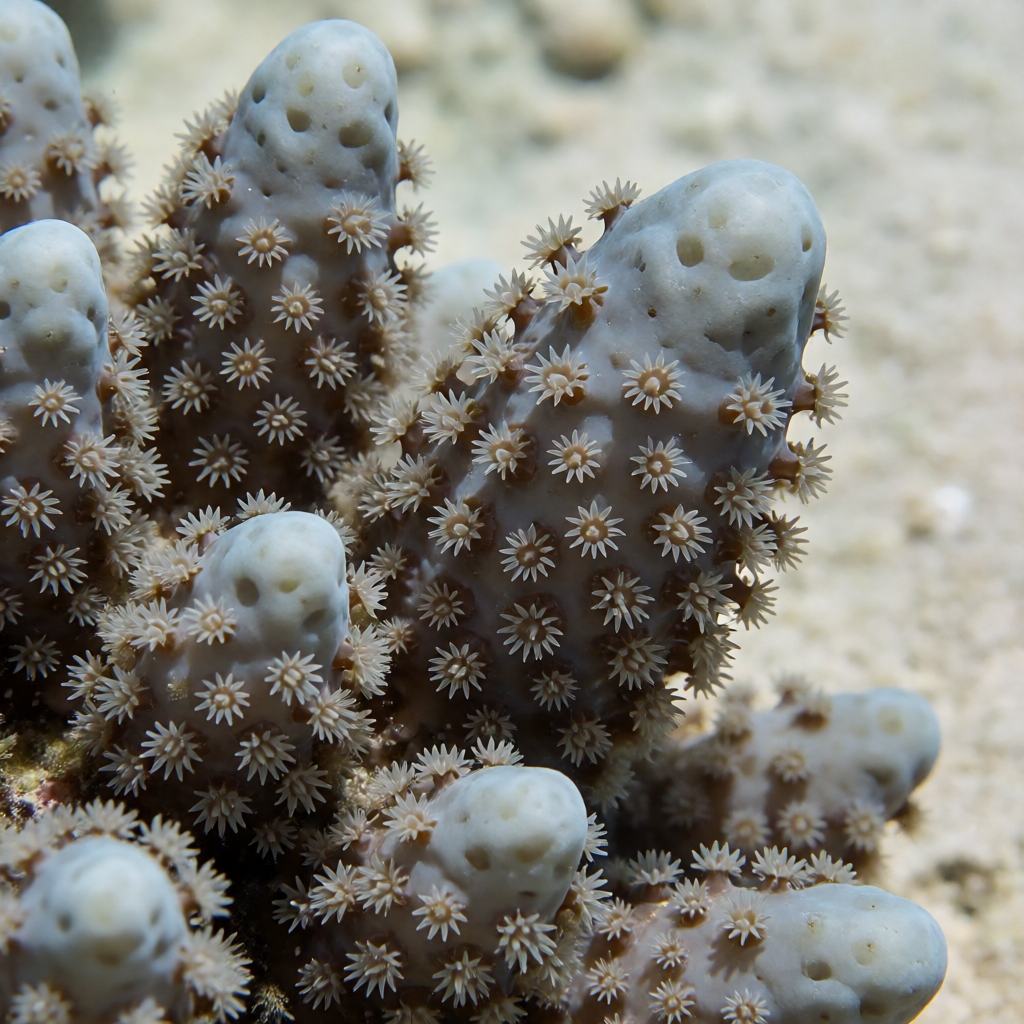
The colony has no hard skeleton. It gets support from tiny chalk spicules in the flesh. Water held under pressure in the tissue helps too. When the colony is not feeding, the skin is smooth and shut. The whole thing looks like a lump of pale flesh. With a little imagination it looks like a hand. When it feeds, the polyps come out. Each polyp is a small white or clear tube with 8 tentacles. Each tentacle has a row of fine side branches.
That gives it a feathered look. Each polyp joins its neighbours through canals in the colony tissue. So food caught by one polyp is shared with the rest. The colony can pull in fast and fully when touched or left in air. It opens again once the trouble passes. Growth is slow. It adds a few centimetres a year. A big colony may be many years old.
1
2
3
Hard ground in a strong current
Where it lives
Dead mans fingers lives on hard surfaces in moving water. It clings to rock, boulders, cobbles, shells, wrecks, piers and kelp holdfasts. It also grows on the stalks of big seaweeds. Current is the key need. The animal cannot make its own flow. So it settles where tides or waves push a steady stream of particles past it. On a flat sea bed in slack water, colonies are small or absent.
It is most common below the level where big seaweeds rule. That band runs from about 15 m down to 50 m or more. It goes deeper where there is enough flow. It also lives on the low shore and in deep rock pools. There it sits in shady cracks and under overhangs. It cannot stand drying out or strong light. The species lives across the north-east Atlantic.
It runs from Iceland and northern Norway south to the Mediterranean and the Canary Islands. It is common all round the British and Irish coasts. It stands a wide range of heat and salt. It does not stand fresh water or heavy silt. Silt is a problem because the colony cannot clean itself. Colonies often carry a growth of hydroids, bryozoans and sponges on the dead base.
A filter of moving water
What it eats
Dead mans fingers is a suspension feeder. It lives on plankton and fine bits of food. Most of its food is the small drifting animals and young stages that make up the zooplankton. It takes copepods and their larvae. It takes barnacle and worm larvae and mollusc larvae. It takes foraminiferans and the eggs of other small sea animals. It takes diatoms, dinoflagellates and other phytoplankton. It takes bacteria and fine waste. The polyps do the work.
Each open polyp sweeps its 8 feathery tentacles through the water. Particles that touch them are held by sticky mucus. They are also held by stinging cells on the tentacle skin. Cilia then carry the mucus string down the tentacle to the mouth. The colony also feeds by currents over its body. These draw particles into the canal system. Feeding is not constant. Colonies open their polyps in bursts. This often comes with the tide and at night.
A colony may be shut for hours. Then it can open all at once. Colonies tend to grow into the current. The lobes sit across the flow. That improves the chance of catching particles. A colony feeds only when the water moves. Put one in still water and it will slowly starve. This is true even if the water is full of food.
Brooded through the winter
The breeding cycle
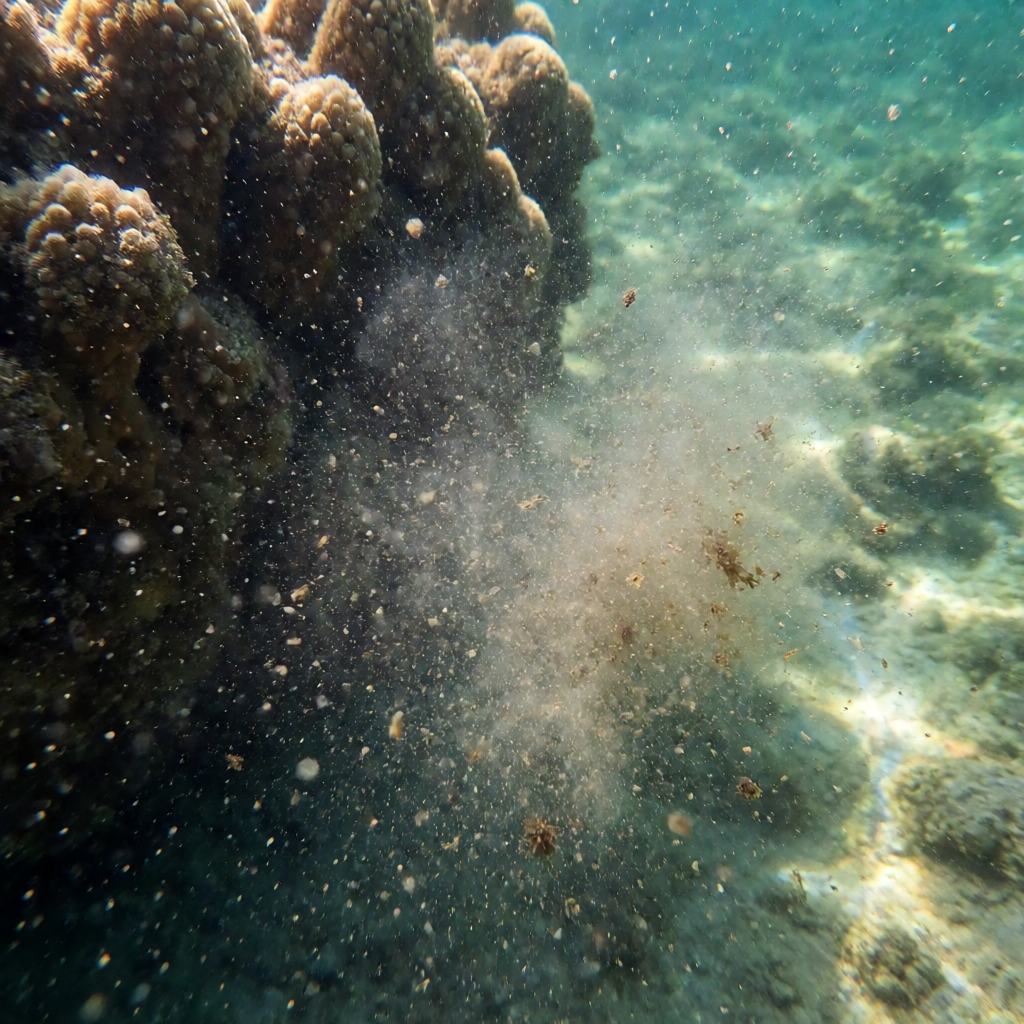
Colonies of dead mans fingers are either male or female. The sexes are separate. Spawning happens in winter, mostly in December and January. Sperm are shed into the sea. The feeding current draws them into female colonies. The eggs are fertilised inside the female colony, not in open water. The young are brooded inside the body of the female. They grow there through the winter.
The larvae come out in spring as small ciliated planulae. They swim or crawl for a short time. That is usually hours to a few days. Then they settle on a hard surface near by. There they change into a new colony. The swimming stage is short. So most new colonies settle close to the parent. That is why the species often forms dense local patches.
It is not spread evenly. Colonies can also spread by growth. A lobe may touch the rock and make a new hold. Bits that break off can reattach and live on. A colony can breed after a few years of growth. The animals live a long time. A big colony can last ten years or more. New colonies do not appear in every year.
Not Evaluated, slow to recover
Conservation
Dead mans fingers is not assessed on the global Red List. It is not thought to be at risk. It is widespread and common. It stands a wide range of conditions. It stays one of the key animals of rocky sea beds in north-west Europe. The pressures on it are local, not global. Bottom trawling and dredging damage or remove colonies. They also hit the other animals of the sea bed.
The species grows slowly. So recovery from damage takes years. The same is true of the small animals that live on it. Coastal building, marinas and artificial structures change currents and silt loads. Both can make a site useless for a suspension feeder. Silt from dredging and from land runoff is a real problem. A film of silt blocks the feeding surface. The species is useful for watching marine protected areas.
It is easy to see. It is easy to know from photos and video. It is slow to recover. So a good set of big colonies says something real about how quiet a site has been. Changes in plankton timing from climate may affect feeding. There is no proof yet of an effect on numbers.
Quick hits
Five things to remember
- The common name comes from the pale fleshy lobes, which look like the fingers of a dead hand reaching out of the rock.
- It has no hard skeleton; it stands up on water pressure and thousands of tiny spicules in the flesh.
- When it feeds, thousands of polyps push out at once and a smooth waxy lump turns into a fuzzy mass within minutes.
- Each polyp has exactly 8 feathery tentacles, the mark of the octocorals, unlike the 6-tentacled reef corals.
- The eggs are fertilised inside the female colony and the young are brooded through winter, so new colonies usually grow close to the parent.
[…] in rocks laid down hundreds of millions of years ago. The Pink Sea Fan shares its class with the Dead Man’s Fingers, a soft coral of the same group. That species grows as a lumpy mass, not a flat fan. The 2 often […]