 By st20113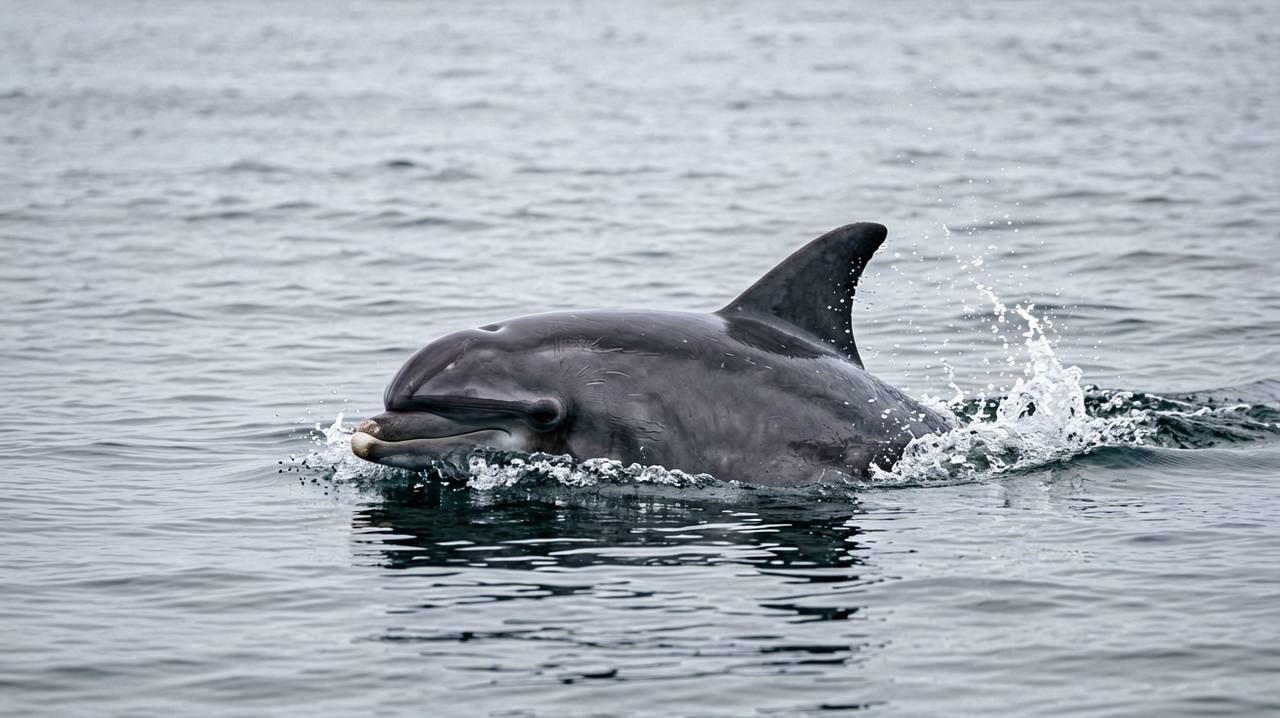
Phocoena phocoena | Harbour Porpoise
Species Profile · Phocoenidae
Harbour Porpoise
The smallest whale in northern seas, shy, quiet, and often mistaken for a dolphin.
IUCN: Least Concern
Range
Size
Weight
Life
Status
Not quite a dolphin
The small, shy whale
The harbour porpoise is one of the smallest whales in the sea. Adults reach only about 1.4 to 2 metres long. They weigh between 45 and 70 kilograms. That is smaller than most people. It looks a little like a dolphin, but it is not one. Its snout is short and blunt, not long and beaked.
Its teeth are flat and spade-shaped, not pointed. Its dorsal fin is low and triangular. It is a shy animal. It rarely jumps or rides the bow of a boat. Most of the time it surfaces quietly to breathe. The small puff of spray it makes is often the only sign it is there.
It lives in cool coastal waters across the northern hemisphere. It is found in the Atlantic, the Pacific, and the Black Sea. It feeds on small fish and must eat often. Its high metabolism means it cannot go long without food.
Family tree
Porpoises and dolphins
The harbour porpoise sits in the genus Phocoena. It belongs to the family Phocoenidae, the true porpoises. Porpoises and dolphins are close relatives. Both belong to the group of toothed whales. But they split apart millions of years ago. A well-known dolphin relative is the Bottlenose Dolphin.
That animal is larger and has a distinct beak. It lives in warmer water and in many seas worldwide. It is also far more social and far more vocal. The harbour porpoise is much smaller and much quieter. It usually swims alone or in very small groups. Its teeth differ as well.
Dolphins have cone-shaped teeth. Porpoises have flat, chisel-like teeth. Several porpoise species exist. The vaquita of Mexico is the rarest. The harbour porpoise is by far the most common.
Blunt snout, flat teeth
A sturdy little body
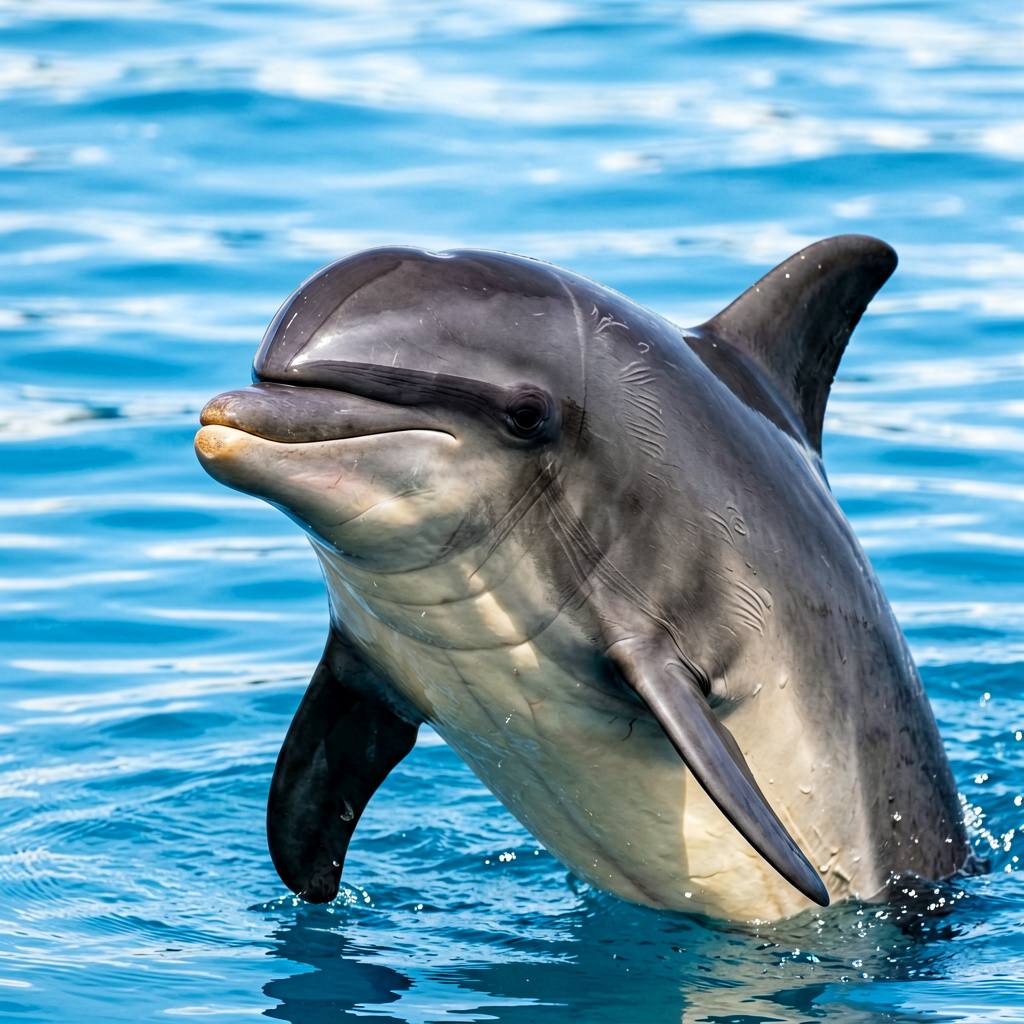
The harbour porpoise has a small, stocky body. Its shape is rounded rather than sleek. The head is short, with no beak at all. Its dorsal fin is small and shaped like a triangle. The tail flukes are curved and notched. Its back is dark grey or brown.
The flanks are lighter, and the belly is almost white. Many animals show a dark stripe along the chin. Its skin is smooth and rubbery. It keeps the animal warm in cold water. A thick layer of blubber sits under the skin. That fat stores energy and traps heat.
Its flippers are small and pointed. They help it steer rather than push. Females grow slightly larger than males. Young animals are darker than adults. The species has one of the smallest bodies of any whale. Only the vaquita is smaller in some populations.
1
2
3
Cool coastal water
Bays, channels, and shallows
This porpoise lives in cool, shallow coastal water. It is common around the North Atlantic. It occurs from Norway and Iceland down to Portugal. It is also found along the eastern coast of North America. In the Pacific it lives from Japan to California. A separate population lives in the Black Sea.
It prefers water less than 200 metres deep. It often feeds in bays, estuaries, and channels. It can also be found far offshore in some seasons. Cold water suits it best. It avoids the warm tropics almost entirely. It moves with the seasons, following its prey.
In winter some groups move into deeper water. In summer they return to shallow coastal grounds. The Baltic population is now dangerously small. Only a few hundred animals may remain there.
What it eats
Small fish, eaten often
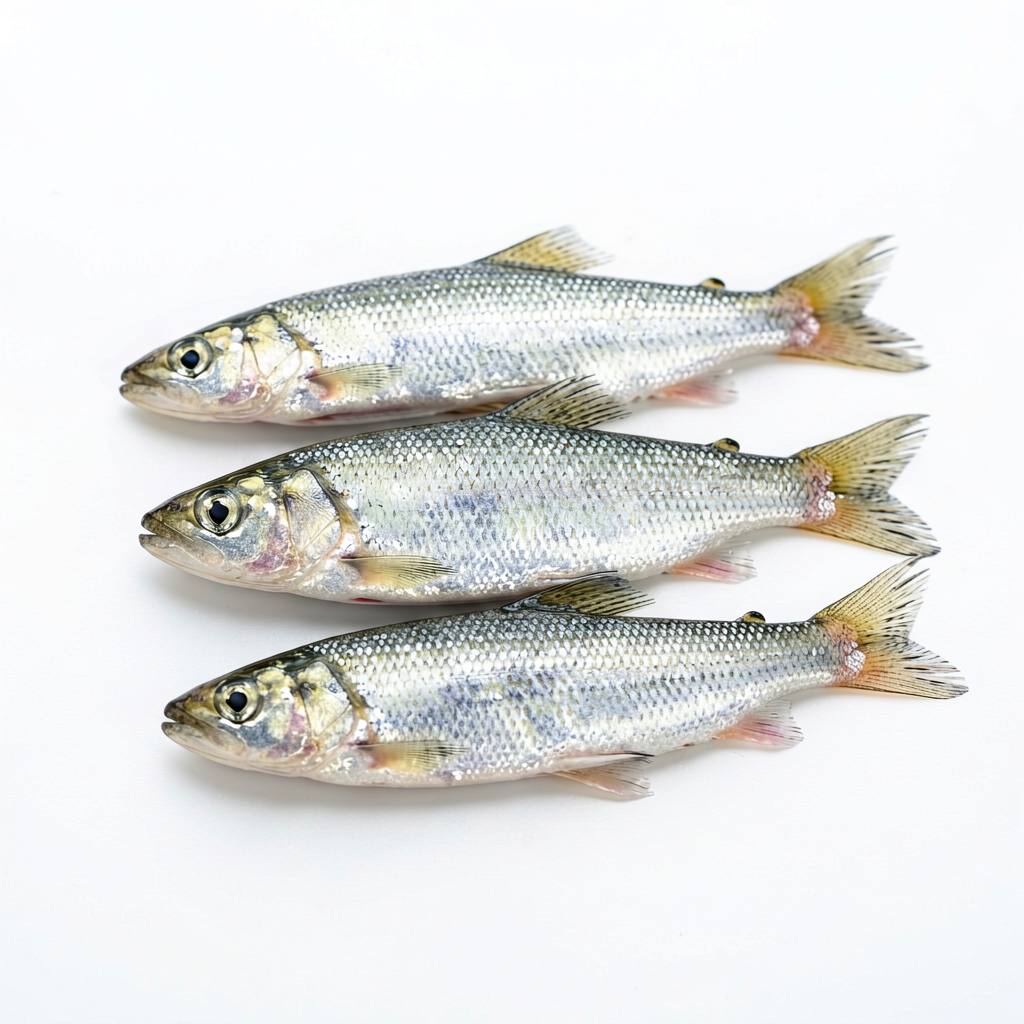
The harbour porpoise eats small fish and squid. Its main prey changes with the season and the place. Herring, sprat, and sandeels are important foods. Whiting, cod, and mackerel are taken as well. It also eats small squid and some crustaceans. It feeds both in mid-water and on the seabed.
Dives are usually short and shallow. Most last under two minutes. It must eat often because it burns energy quickly. A porpoise may eat several kilograms of fish a day. It hunts using echolocation clicks. The clicks are very high, around 130 kilohertz.
That is well above the hearing range of people. It listens for the echo to find fish in murky water. The narrow beam of sound suits small prey. It swallows fish head-first and whole. It does not chew. Its flat teeth simply grip the slippery catch.
One calf a year
A faster cycle than most whales
Harbour porpoises breed in summer. The male and female pair briefly. Pregnancy lasts about ten to eleven months. The single calf is born the following spring or summer. Birth usually happens in shallow, sheltered water. The calf is about 70 centimetres long at birth.
It nurses for about eight months. During that time it stays close to its mother. It learns to catch fish by watching her. Females can become pregnant again soon after weaning. Most raise one calf every year or every other year. They reach maturity at about three or four years old.
Harbour porpoises live around 8 to 12 years. A few reach 20 years or more. The species breeds faster than most whales. That is one reason it remains widespread. Even so, its numbers fall quickly when many are killed.
Caught in nets
Pingers and protected areas
The harbour porpoise is rated Least Concern worldwide. Some populations, however, are in serious trouble. The Baltic Sea population is Critically Endangered. Only a few hundred animals survive there. The biggest threat is accidental capture in fishing nets. Gillnets kill large numbers each year. Porpoises cannot see the thin netting in time. They become tangled and drown. Researchers now fit nets with small acoustic devices called pingers. These sound a warning and cut the number of deaths.
Pollution is another problem. Chemicals such as PCBs build up in the blubber. They can weaken the animal and stop it breeding. Underwater noise from ships and construction is a growing concern. It can mask the clicks the porpoise needs to hunt. Ship strikes and prey shortages add further pressure. Protected areas help where fishing is also controlled. Public awareness is growing, and that helps too. Whale watchers now report porpoise sightings to national surveys. Those records show where the animals gather and where they vanish.
In some countries fishers are paid to test new net designs. Others simply avoid the areas where porpoises are densest. All of these steps cost money, and none is a complete answer. The animal is small, shy, and easy to overlook. That is exactly why it needs careful counting. A species that hides so well can slip away before anyone notices. Its fate is tied to how carefully people watch the sea. Even a small drop in adult numbers can empty a bay within a decade.
Quick hits
Five things to remember
- It is often mistaken for a dolphin, but it has a flat snout and spade-shaped teeth.
- Its echolocation clicks reach about 130 kilohertz, far higher than a dolphin’s.
- It usually avoids boats and rarely jumps, unlike the dolphins it resembles.
- Its Baltic population is critically endangered, with only a few hundred animals left.
- Fishing nets are its biggest danger, and acoustic pingers help it avoid them.