 By st20113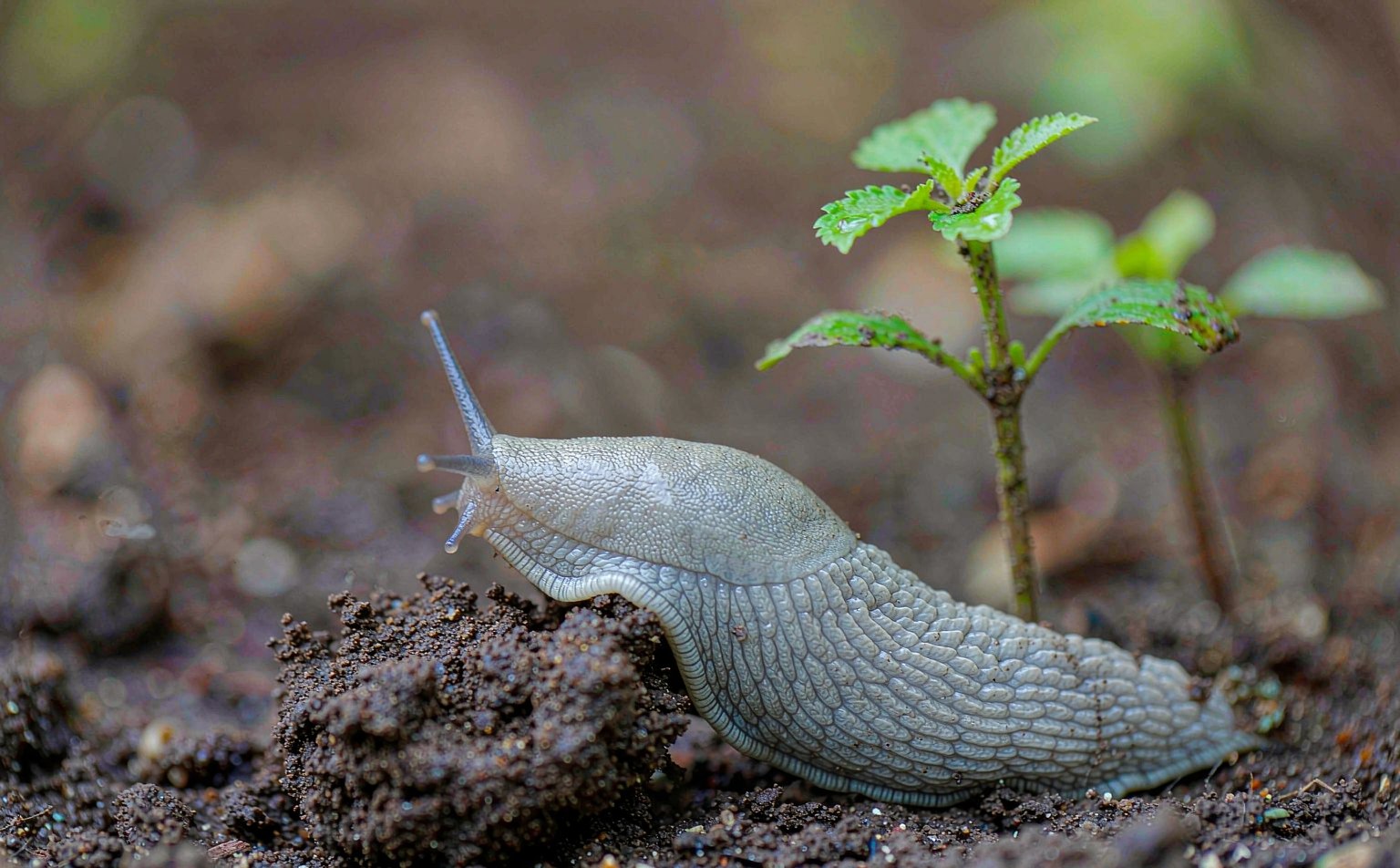
Deroceras reticulatum | Netted Slug
Introduction
The Netted Slug (Deroceras reticulatum) is the small, pale grey slug, about four centimetres long, with a finely netted or wrinkled skin and a raised ridge along its back, that is most notorious as a pest of gardens, field crops and greenhouses. Fast-moving for a slug and fond of tender young plants, it is one of the slug species most likely to be found in a vegetable bed after dark.
It is less showy than the great black slug, but far more numerous and more damaging to crops, and it is the slug most growers learn to recognise. Like all slugs it is also part of the soil food web, recycling dead matter and feeding the predators that share the garden, yet in leafy crops its appetite makes it a creature gardeners watch closely.
Taxonomy
The Netted Slug is a pulmonate gastropod in the family Agriolimacidae, described by the German malacologist Otto Friedrich Müller in 1774. It is a relative of the Cornu aspersum and of the other land slugs, but it belongs to a group of small, smooth, fast-moving slugs rather than the large, rounded Arion slugs. The genus Deroceras holds many similar grey field slugs, and telling them apart often needs a look at the shape of the reproductive organs.
The name reticulatum refers to the net-like pattern on the skin, a useful field mark alongside the keel, the ridge running to the tip of the tail, that distinguishes it from the non-keeled slugs of the genus Arion.
Physical Characteristics
The body is slender and pale, from creamy grey to light brown, with a fine network of wrinkles across the skin and a distinct keel running along the rear half of the back to the tail tip. The mantle is a large oval covering the front third and bears the vestigial shell beneath, and the two pairs of tentacles carry the eyes on the upper pair.
It is an active slug, moving quickly over the ground and up plants in search of food, and it secretes a clear mucus rather than the copious slime of the larger slugs. The colour can darken with temperature and mood, and the keeled tail and netted skin together make it one of the easier small slugs to name in the hand.
Habitat
Netted Slugs live in damp, productive ground: vegetable gardens, field margins, orchards, greenhouses and any place with lush low vegetation and shelter. They hide by day under cloches, pots, weeds, mulch and the soil surface, and emerge at night and in wet weather to feed, often climbing into the lower leaves of crops.
They are found across Britain and temperate Europe and are among the commonest slugs of cultivated land, thriving wherever seedlings and tender leaves are plentiful. In greenhouses they can be active almost year round, and in the field they build up through the mild, wet months.
Diet
The diet is largely living plant tissue, and it is here that the Netted Slug earns its reputation: it chews seedlings, lettuce, brassicas, strawberries and many other crops, often at or below the soil line, and it can devastate a row of young plants in a few damp nights. It also eats dead leaves and fallen fruit, but the fresh growth is what draws it.
Its predators include toads, frogs, ground beetles and birds that work the ground. The common-toad-bufo-bufo-3 and other amphibians take slugs readily, and a healthy population of such predators helps keep numbers down, though in a vegetable bed the slug usually outbreeds its enemies.
Reproduction
The Netted Slug is a hermaphrodite and mates with another individual, after which each lays clusters of rounded, translucent eggs in the soil, under pots or in the top litter. The eggs are laid in batches through the season and hatch into tiny slugs that already resemble the adults.
Because it breeds repeatedly and the young grow quickly in warm, damp conditions, populations can surge after a wet spring, and several generations may overlap in a single year. This rapid turnover is what makes it such a persistent presence in gardens and crops.
Conservation
The Netted Slug is abundant and of no conservation concern; indeed, from a wildlife standpoint it is simply a common, useful part of the soil community. Its status as a pest is a matter of human interest, not of conservation, and it is secure across its range.
For the gardener the lesson is one of balance: encouraging predators such as toads, hedgehogs and ground beetles, and tolerating a little leaf litter, can hold slug numbers down without chemicals, and the Netted Slug’s abundance is a reminder that the garden food web is always at work, even among the seedlings.
Fun Facts
- It is one of the most damaging slugs of vegetable crops because it favours tender young plants.
- The ridge, or keel, running to its tail-tip helps tell it apart from the non-keeled slugs.
- Its skin is finely netted with wrinkles, the mark that gives it the name “reticulated”.
- It is a hermaphrodite and can lay several batches of eggs through a single season.
- It is fast for a slug, scooting across soil and up plants in the damp of night.