 By st20113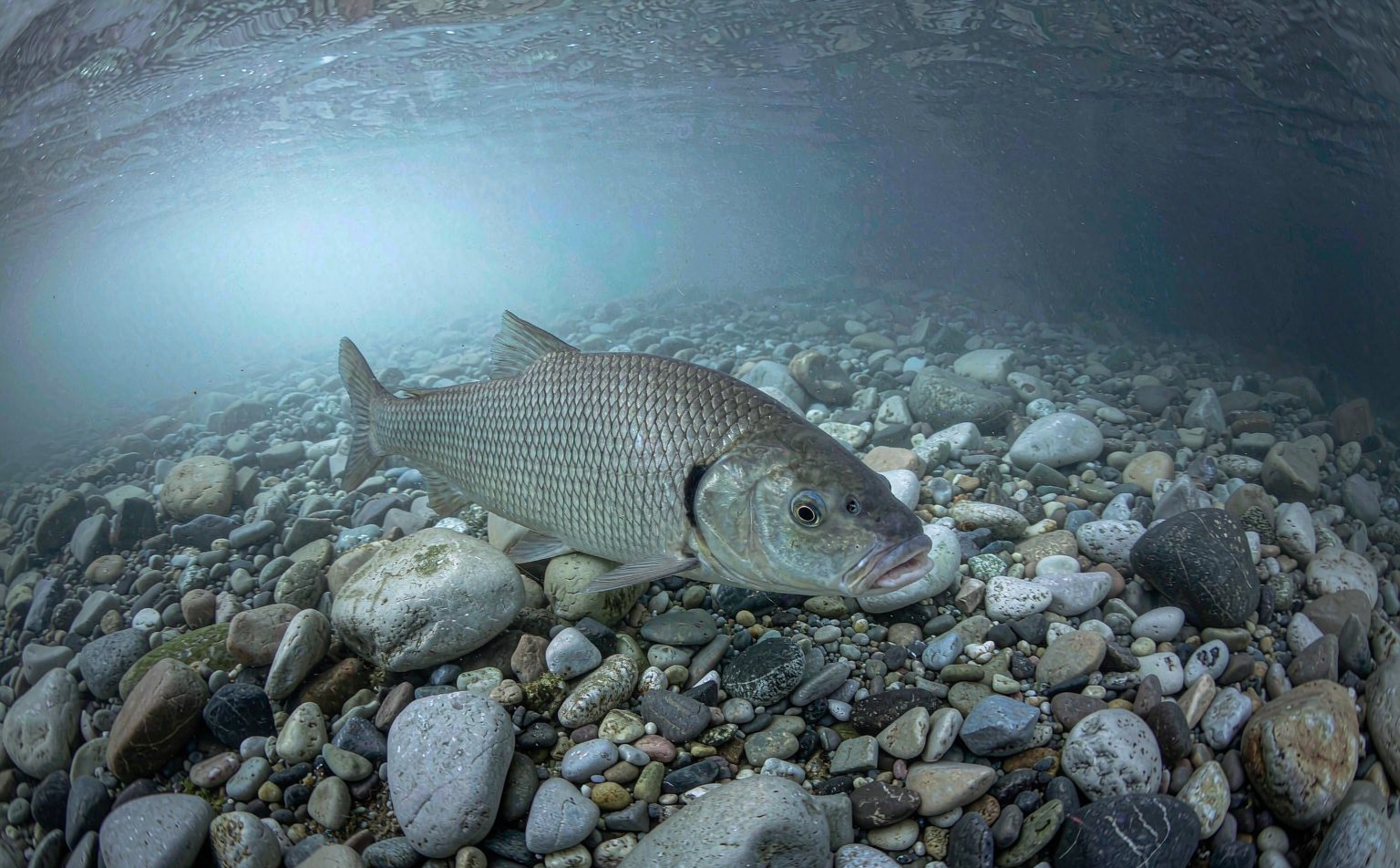
Chondrostoma nasus | Nase
Introduction
The Nase (Chondrostoma nasus) is a slim, silvery river fish of clear, fast-flowing streams and larger rivers, named for the blunt, downward-turned snout it uses to scrape algae from stones. Reaching 25 to 40 centimetres, it is a shoaling species that gathers over gravel riffles where the current runs clean and oxygen-rich. Quietly specialised, it is a good sign of an unpolluted, free-flowing river, and its grazing helps keep stones clear for the insects that lay their eggs there. Anglers meet it as a lively, if bony, inhabitant of the upper and middle reaches of healthy waterways.
Taxonomy
Chondrostoma nasus belongs to the carp family Cyprinidae and is the namesake of the genus Chondrostoma, the “noses” whose members share the downturned mouth. It is one of several similar nase species across Europe and was long confused with them until genetics clarified the boundaries. It sits alongside the Common Roach and other cyprinids of the same rivers, but its horny lower lip sets it apart as a stone-grazer rather than a general feeder.
Physical Characteristics
Adults are elongated and rather cylindrical, with a small head and a distinctive blunt snout overhanging a crescent-shaped, horny lower lip used to rasp surfaces. The back is greenish-grey, the flanks bright silver and the belly white; a narrow dark line often runs along the lateral scale row. The eyes are set high, and the fins are plain grey, with a reddish tint on the pelvic and anal fins in spawning males. The lateral line carries about 55 to 62 scales. Most fish run 20 to 30 centimetres, though old individuals in big rivers may approach 40 centimetres.
Habitat
Nase need clean, well-oxygenated, moderately fast water—riffles, runs and the margins of gravel-bottomed rivers and larger streams rather than still lakes or muddy canals. They favour open substrate where currents keep stones scoured, and they avoid shaded, silted or polluted reaches. They shoal over gravel and among the seams where fast and slow water meet, often with the Minnow and other small cyprinids. They use the same riffles as the Bleak only where a river widens and slows, marking the edge of their preferred habitat.
Diet
The diet is dominated by the fine film of algae, diatoms and bacteria that coat submerged stones, which the fish scrapes with its horny lip as it holds station in the current. It supplements this with drifting invertebrates—mayfly and caddisfly larvae, midges—plucked from the stone surface or taken as they wash past. By cropping the periphyton it keeps rocks clean, which benefits the mayflies and caddisflies that need bare stone to breed. In turn it is food for larger fish and for the birds that hunt open rivers.
Reproduction
Spawning takes place in spring, from April to June, over gravel riffles in fast water where the eggs can be well-oxygenated. Males develop tubercles on the head and fins and jostle among the females as they shed adhesive eggs into the crevices between stones. A female may release several thousand eggs across the season. The larvae drift into slower water to feed, and the young grow slowly in the river before joining the adult shoals over the riffles. There is no care of the eggs or young.
Conservation
The nase is sensitive to the things that degrade rivers: pollution, siltation that buries its spawning gravel, dams and weirs that block its movement, and the loss of natural riffles to channelisation. In many regions it has declined and is locally protected, rated near threatened or worse where rivers are heavily modified. It benefits directly from restoring free-flowing, oxygenated stretches, from removing barriers so fish can reach spawning beds, and from cutting nutrient and sediment runoff. As a clear-water specialist, its presence is a reliable badge of a healthy river.
Fun Facts
- Its downturned, horny-lipped snout works like a scraper for algae on stones.
- It is a classic indicator of clean, fast, oxygen-rich rivers.
- Spawning males grow small white breeding tubercles on the head.
- It shares riffles with minnows but avoids still or muddy water.
- Several similar “nase” species exist across Europe and were long mixed up.