 By st20113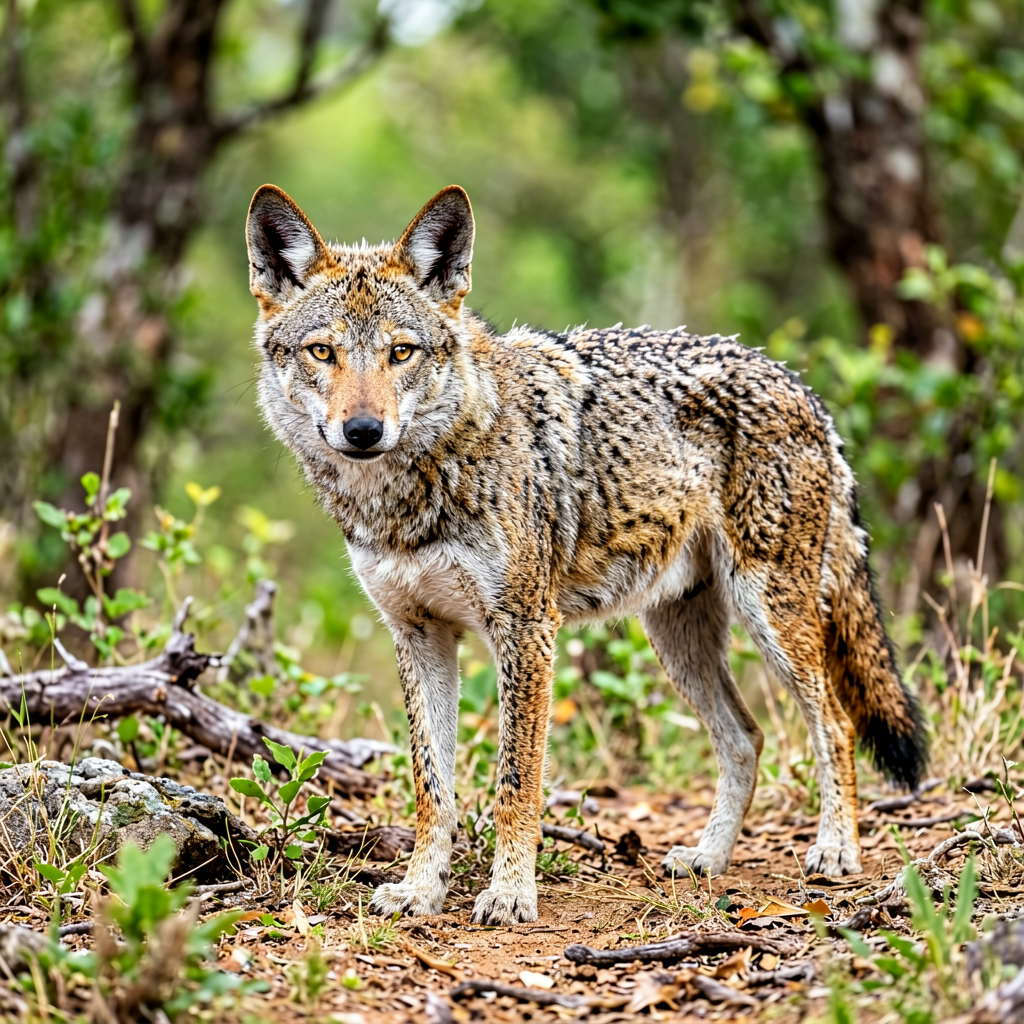
Lupus cubensis | Cuban Wolf
Introduction
The Cuban Wolf, scientifically known as Lupus cubensis, was a fascinating canid species that once roamed the islands of Cuba. This extinct predator represented a unique evolutionary adaptation to island ecosystems, developing distinct characteristics that set it apart from its mainland relatives. The Cuban Wolf occupied a critical niche in the pre-Columbian food web, serving as an apex predator that helped regulate populations of native herbivores. Despite its name, this species was more closely related to the Grey Wolf than to true wolves, representing an isolated branch of the canid family tree that evolved in relative separation from continental populations.
Taxonomy
The taxonomic classification of the Cuban Wolf has been a subject of considerable debate among paleontologists and zoologists. Initially described based on subfossil remains discovered in Cuban caves and archaeological sites, the species was placed within the genus Canis alongside other wolf-like canids. Modern phylogenetic analyses suggest that Lupus cubensis diverged from other North American canid lineages approximately 1.5 million years ago during the Pleistocene epoch. Genetic studies of ancient DNA extracted from preserved specimens have revealed that the Cuban Wolf shared a common ancestor with the Arctic Fox lineage, though it maintained distinct morphological features adapted to its tropical island environment.
Physical Description
The Cuban Wolf was a medium-sized canid, measuring approximately 70 to 90 centimeters in body length with a shoulder height of around 50 centimeters. Its build was more robust than modern grey wolves, with shorter limbs and a deeper chest adapted for navigating dense forest terrain. The coat was likely thick and coarse, displaying coloration ranging from reddish-brown to grey depending on the season and individual. Dental analysis reveals specialized carnassial teeth suited for processing bone and tough connective tissue, suggesting the species had a scavenging component to its feeding strategy similar to that observed in the Brown Bear.
Habitat
During its existence, the Cuban Wolf inhabited a diverse range of environments across the Cuban archipelago. Primary habitats included tropical hardwood forests, dry scrublands, and coastal mangrove ecosystems. The species showed particular affinity for the Sierra Maestra mountain region, where cooler temperatures and dense vegetation provided ideal hunting grounds. Cave systems throughout the island served as denning sites and shelter during severe weather events. The Cuban Wolf’s range extended across multiple ecological zones, from lowland rainforests to highland pine forests, demonstrating remarkable environmental flexibility.
Diet
As an apex predator, the Cuban Wolf maintained a varied diet consisting primarily of native ungulates, rodents, and reptiles. Stable isotope analysis of bone collagen indicates that the species consumed significant amounts of marine resources when available, suggesting opportunistic feeding behavior along coastal areas. The primary prey included the extinct Cuban giant ground sloth and various species of native hutias. During periods of prey scarcity, the Cuban Wolf likely supplemented its diet with fruits, insects, and carrion, displaying dietary plasticity that contributed to its survival in the isolated island ecosystem.
Reproduction
Reproductive biology of the Cuban Wolf remains poorly understood due to the limited fossil record. Breeding seasons likely coincided with periods of prey abundance, typically during the wet season when small mammal populations increased. Litter sizes are estimated to have ranged from three to five pups based on comparisons with closely related canid species. Both parents likely participated in pup rearing and territory defense, a social structure common among pack-hunting canids. Juveniles would have reached sexual maturity at approximately two years of age, allowing for population recovery despite relatively low reproductive rates.
Conservation
The Cuban Wolf faced multiple threats throughout its existence, including habitat loss, competition with introduced species, and human hunting pressure. The species ultimately became extinct approximately 500 years ago, coinciding with European colonization of Cuba. Overhunting by indigenous peoples and later Spanish settlers contributed significantly to population decline. Additionally, the introduction of domestic dogs and feral pigs created new sources of competition and disease transmission. Conservation efforts for related Cuban wildlife continue today, with researchers studying ancient DNA to better understand the ecological roles these extinct species once played.
Fun Facts
The Cuban Wolf held significant cultural importance for indigenous Taíno and Ciboney peoples, who featured the species in their oral traditions and artistic expressions. Archaeological evidence shows that Native Americans used wolf bones for tool制作 and ceremonial purposes. The species was notably larger than the modern Grey Wolf subspecies found in North America, representing an example of insular gigantism. Cuban Wolf remains have been found in over forty archaeological sites across the island, indicating widespread distribution. The species’ extinction represents one of many megafaunal losses that occurred during the Holocene epoch across Caribbean islands.