 By st20113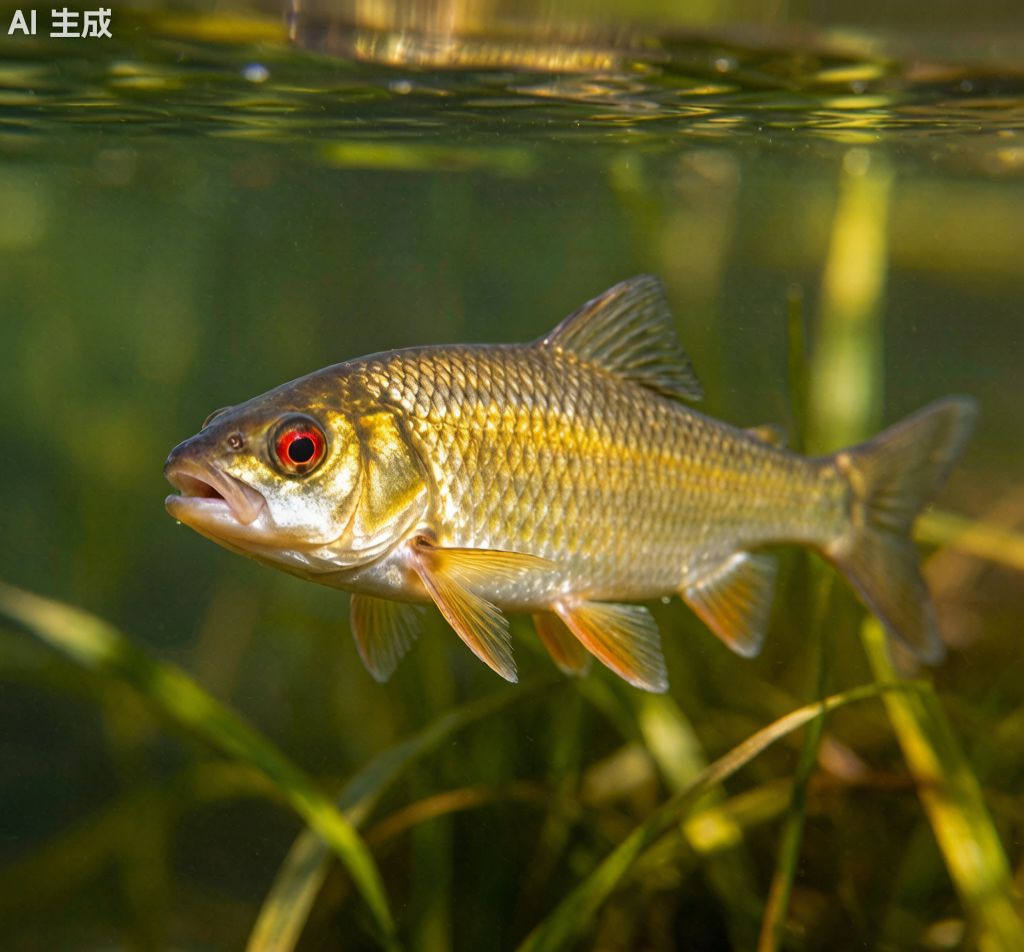
Introduction
The Rudd (Scardinius erythrophthalmus) is a colorful freshwater fish found across Europe and parts of western Asia. Recognizable by its golden flanks and striking red eyes, the rudd is a popular species among anglers and a common inhabitant of slow-moving waters. This adaptable cyprinid thrives in a variety of aquatic habitats and plays a role in freshwater food webs. The rudd’s beauty and abundance have made it a familiar fish across the continent.
The rudd’s adaptability to varied water bodies has made it a successful and widespread fish, though it can become dominant in isolated ponds. Anglers prize the species for its fighting spirit and striking appearance. The rudd’s tolerance of warm, vegetated waters helps it thrive where trout cannot.
Taxonomy
Scardinius erythrophthalmus belongs to the family Cyprinidae, the carp family. The genus Scardinius contains several rudd species distributed across Eurasia. The rudd is distinguished from the similar roach by its upward-pointing mouth and golden coloration. Genetic studies have clarified relationships within European cyprinids.
Physical Characteristics
Rudd are deep-bodied fish reaching 15 to 45 centimeters in length, though most are smaller. The body is laterally compressed with bright golden-bronze flanks and a silvery belly. The most distinctive feature is the red iris of the eye. The mouth is terminal and slightly upturned, adapted for surface feeding. The tench shares similar still-water habitats but is more olive-colored.
Habitat
Rudd inhabit lakes, ponds, slow rivers, and canals with abundant vegetation. They prefer warm, eutrophic waters with plenty of aquatic plants for cover and feeding. The species tolerates low oxygen conditions better than many fish. Rudd often form shoals near the surface. The European eel shares these vegetated waters as a predator.
Diet
The rudd is primarily a surface and mid-water feeder, consuming aquatic plants, algae, insects, and zooplankton. Its upturned mouth is well suited to taking food from the surface film and from plant leaves. Juveniles feed on small crustaceans and insect larvae. The species competes with other cyprinids for food resources. Rudd are important prey for larger predatory fish and birds.
Water temperature strongly influences rudd growth and reproduction, with warmer waters accelerating development but potentially reducing oxygen availability. This balance shapes the species’ distribution across Europe. Understanding these limits helps predict responses to climate and habitat change.
Reproduction
Spawning occurs in late spring and summer when water temperatures rise. Females lay adhesive eggs among submerged vegetation, where they are fertilized by males. A single female can release tens of thousands of eggs. Larvae hatch after a few days and join shoals in vegetated shallows. The pike is a major predator of adult rudd.
Sustainable fisheries management that limits eutrophication and invasive introductions supports healthy rudd populations. The species’ role as prey for piscivorous birds underscores its place in aquatic food webs. Maintaining natural vegetation along waterways benefits both rudd and overall biodiversity.
Conservation
The rudd is widespread and not considered threatened, though local populations can be impacted by habitat degradation and invasive species. The species benefits from the protection of vegetated water bodies and good water quality. Rudd are sometimes introduced outside their native range, where they can affect ecosystems. Conservation of natural lake and river vegetation supports healthy rudd populations.
Fun Facts
The rudd’s red eyes are not just ornamental; they may help with vision in bright surface light. The species can hybridize with roach, producing offspring with intermediate features. Rudd are known to leap from the water to escape predators, a behavior called breaching. The species has been cultivated in ornamental ponds for centuries due to its golden color. Rudd can live for over 15 years in favorable conditions.
Rudd often school with other cyprinids, forming mixed shoals that confuse predators. Their golden coloration intensifies during the breeding season as males develop nuptial tubercles. The species’ abundance makes it a key link in freshwater food webs across Europe.
Anglers often distinguish rudd from similar species by the position of the dorsal fin, which sits further back than in roach. This morphological detail is a useful identification clue for both scientists and recreational fishermen. The species’ popularity has spurred interest in citizen science recordings.