 By st20113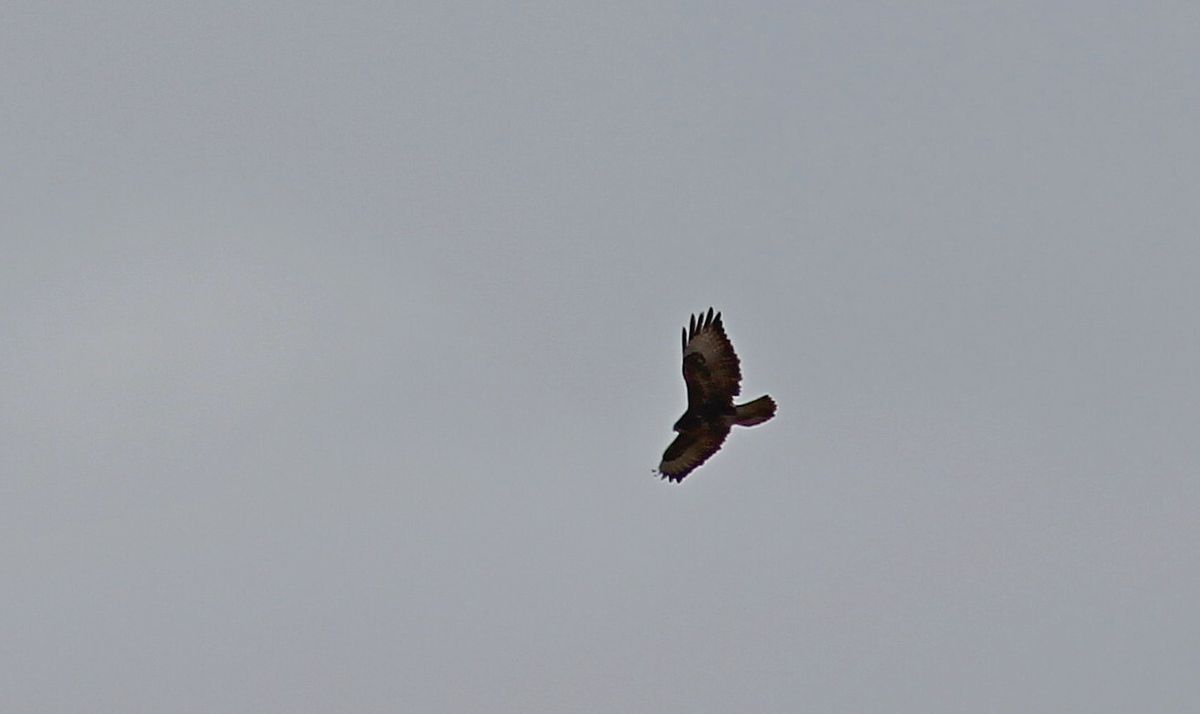
Introduction
The Common Buzzard (Buteo buteo) is the most widespread raptor in Europe, a medium-sized bird of prey found from the Atlantic coasts to the forests of Siberia. Often seen hovering or soaring on broad wings over farmland and woodland, it is the hawk that many Europeans encounter most often. Variable in color from pale cream to dark brown, the buzzard has adapted to a surprising range of habitats and recovered strongly after twentieth-century declines caused by pesticides and persecution. In many regions its familiar mewing call now signals a healthy, recovering countryside.
Taxonomy
The Common Buzzard is a member of the family Accipitridae, which includes hawks, eagles, and harriers. Within the genus Buteo, a group of broad-winged soaring hawks, it was first described by Linnaeus in 1758. Several subspecies are recognized across its vast range. Its nearest relatives include the North American Red-tailed Hawk, and together they represent the classic buteo body plan built for effortless gliding above open terrain.
Physical Characteristics
Adult buzzards measure 40 to 58 centimeters long with a wingspan of 110 to 140 centimeters. They are compact hawks with a rounded tail and broad, fingered wing tips. Plumage varies enormously: some birds are almost white below, others chocolate-brown, with a pale crescent across the spread wing in flight. The hooked bill and sharp talons are classic raptor tools. Despite the variation, all share a confident, upright perch posture and a pale trailing edge to the wing that aids identification at distance.
Habitat
Common Buzzards favor a mosaic of woodland and open ground, including forest edges, farmland, heaths, and upland moors. They hunt from perches such as fence posts or glide slowly over fields scanning for prey. In winter, when food is scarce, they may congregate near roadsides or roost communally in sheltered woods. Their tolerance of mixed farmland has been key to their recovery across the crowded landscapes of modern Europe, where they nest in both native woods and planted conifer forests.
Diet
Small mammals dominate the buzzard’s menu, especially voles, mice, and young rabbits. They also take birds, amphibians, reptiles such as the Adder, large insects, and carrion when available. Unlike specialist hunters, buzzards are opportunistic, switching prey with the seasons. A soaring bird dropping onto a field mouse is one of the most familiar sights of the European countryside, and they sometimes compete with the Red Fox for small game, though the fox usually loses such contests. In hard winters they follow ploughs to catch exposed grubs and worms, a behavior that draws them close to active farmland where mice are easy to spot.
Reproduction
Buzzards pair for life and return to the same territory each spring. The female builds a bulky stick nest high in a tree, sometimes on cliff ledges or pylons. She lays two to four eggs and incubates them for about thirty-five days while the male brings food. The chicks fledge after six to eight weeks but remain dependent on the parents for several more weeks as they learn to hunt. Nests are defended fiercely against crows, ravens, and other raptors that might raid them.
Conservation
Listed as Least Concern, the Common Buzzard has rebounded impressively across Europe. Legal protection, the banning of organochlorine pesticides, and afforestation of former farmland all helped. Occasionally birds still die on power lines or through illegal poisoning aimed at foxes and crows, but overall the species is secure and even expanding into suburban areas where green spaces provide hunting ground.
Fun Facts
1. The buzzard’s mewing call, sounding like a cat, is often mistaken for a much smaller bird. 2. They can ride thermals for hours without flapping. 3. A single pair may use the same nest for decades, adding new sticks each year. 4. In strong wind they hover kite-like over one spot. 5. Their keen eyesight lets them spot a mouse from hundreds of meters up, and they can detect ultraviolet traces of urine that mark rodent trails.