 By st20113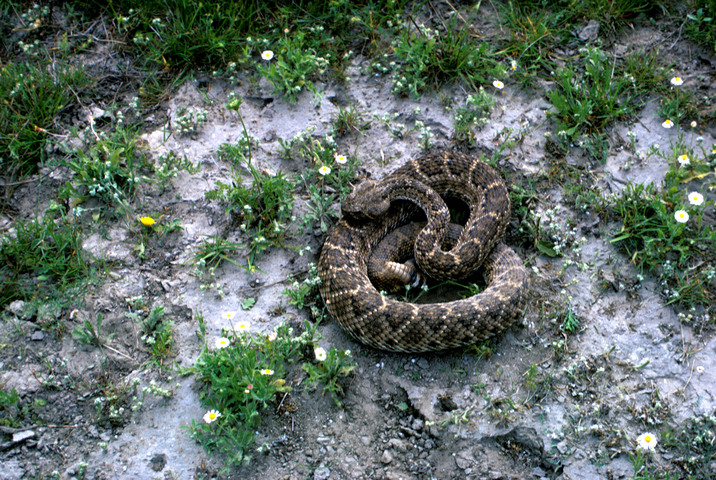
Introduction
The western diamondback rattlesnake (Crotalus atrox) is a robust, venomous pit viper of the southwestern United States and northern Mexico, named for the distinctive diamond-shaped patterns along its back and the warning rattle at the tip of its tail. As one of the most iconic North American rattlesnakes, it plays a key role as a mid-level predator controlling rodent populations. Though feared for its potent venom, it is generally defensive rather than aggressive, rattling loudly to warn intruders before striking. Its adaptability to arid and semi-arid landscapes has made it one of the most successful rattlesnakes of the region, alongside other desert reptiles such as the crocodile.
Taxonomy
The western diamondback belongs to the family Viperidae, subfamily Crotalinae, the pit vipers, characterised by heat-sensing pits between the eye and nostril. The genus Crotalus contains the rattlesnakes, with Crotalus atrox described by Baird and Girard in 1853. It is closely related to other North American diamondbacks and rattlesnake species. Pit vipers use their infrared-sensitive pits to detect warm-blooded prey in darkness. The rattle, unique among snakes, is a specialised structure of interlocking keratin segments that has evolved as an acoustic alarm.
Physical Characteristics
Western diamondbacks are heavy-bodied snakes, typically 1 to 1.2 metres long, with large individuals exceeding 1.8 metres and weighing more than 2 kilograms. Their ground colour ranges from brown to grey, overlaid with a row of dark diamond markings edged in lighter scales along the back and banded tail rings. The head is broad and triangular with prominent venom glands, and the pupils are vertical slits. Heat-sensing pits sit between the eye and nostril. The rattle, composed of nested keratin buttons, grows a new segment each time the snake sheds its skin, though older segments break off over time.
Habitat
These rattlesnakes occupy deserts, scrubland, grasslands, and rocky foothills across the southwestern United States and northern Mexico. They favour areas with cover such as cactus, brush, rocks, and mammal burrows that provide shelter from temperature extremes. They are highly tolerant of arid conditions but seek shade and burrows to avoid midday heat. During cooler months they may brumate in dens, sometimes communally with other snakes. They are habitat generalists within arid regions and readily use roadside verges, ranch land, and the edges of human development where prey is abundant.
Diet
Western diamondbacks are ambush predators feeding mainly on small mammals, especially rodents such as kangaroo rats, ground squirrels, and mice, supplemented by birds, lizards, and occasionally other snakes. They locate prey using sight, scent, and the heat-sensitive pits that detect the infrared signature of warm-bodied animals even in darkness. After striking and envenomating, they track the dying prey by scent before swallowing it whole. Their venom is a potent hemotoxin that immobilises and begins digesting prey. A single snake consumes dozens of rodents yearly, providing natural pest control across its range.
Reproduction
Unlike many snakes, western diamondbacks are ovoviviparous, giving birth to live young rather than laying eggs. Mating occurs in spring or autumn, and females carry the developing embryos internally, giving birth to 10 to 20 live offspring in late summer. The newborns are independent, fully venomous, and equipped with a small pre-button rattle that develops into functional segments after the first shed. Sexual maturity is reached at three to four years. Females may breed only every two to three years, and litter size correlates with the mother’s size and condition. Lifespan in the wild may reach 15 to 20 years.
Conservation
The western diamondback rattlesnake is listed as Least Concern, remaining common and widespread across its range. It faces persecution from humans, road mortality, and collection for the leather and pet trades, yet populations are resilient owing to high reproductive output. As a predator of rodents, it provides valuable ecological and agricultural benefits. Conservation focuses on public education to reduce needless killing and the protection of undeveloped habitat corridors. Many U.S. states regulate collection, and the species is not currently at risk of range-wide decline.
Fun Facts
The rattlesnake’s rattle is made of keratin, the same material as human fingernails, and a new segment is added each time the snake sheds. The snake cannot hear its own rattle, which evolved as a warning to large animals, including humans and bison, to step away. Western diamondbacks can strike at distances up to two-thirds of their body length with remarkable speed. Their heat-sensing pits can detect temperature differences of a fraction of a degree, functioning like built-in infrared cameras. Despite their venom, the majority of bites occur when people attempt to handle or kill the snake rather than when it is left alone.