 By st20113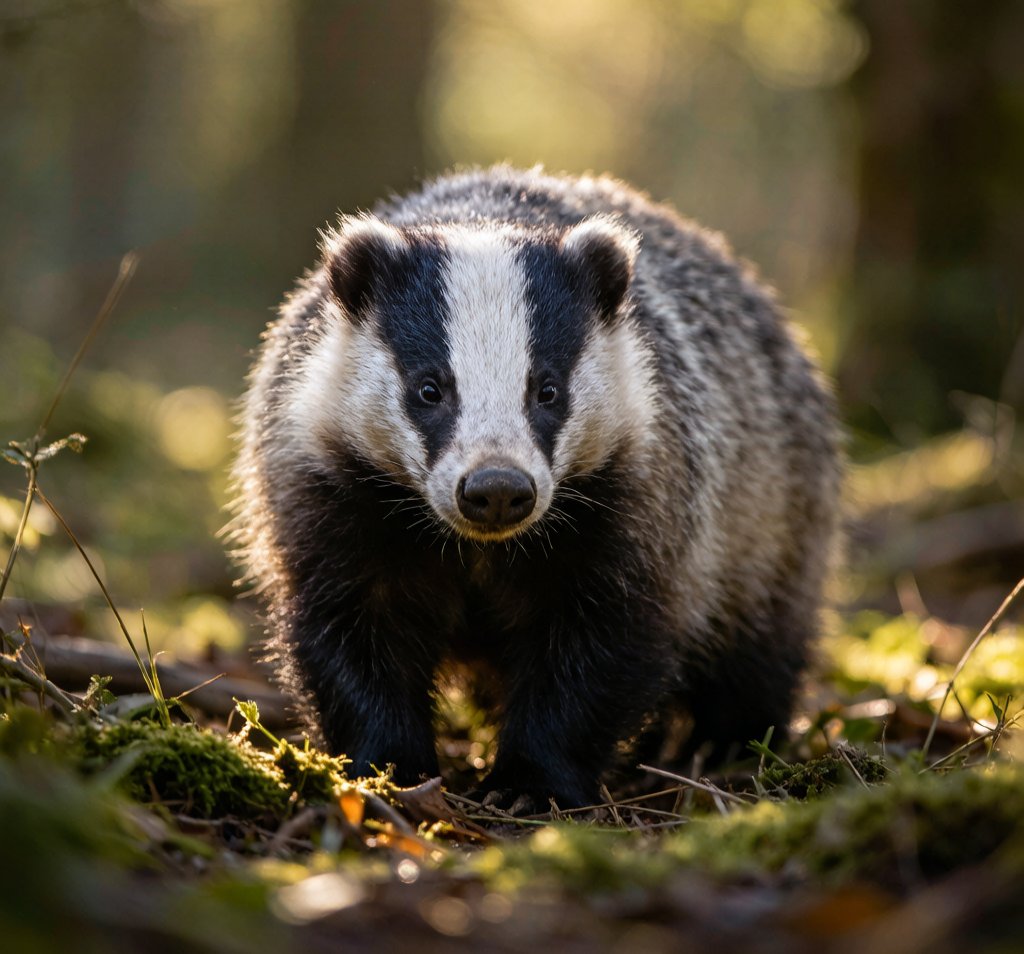
Introduction
The European Badger is one of the most recognizable mammals of the European countryside, distinguished by its striking black and white facial stripes and stocky build. As members of the Mustelid family, which includes weasels, otters, and wolverines,.
Badgers have been part of European folklore and rural life for millennia. Despite facing persecution in some areas, they remain widespread across much of Europe and parts of Asia. Their digging activities benefit soil health and create habitat for other species, making them important ecosystem engineers. The Red Fox often shares badger setts, demonstrating commensal relationships around these extensive burrow systems.
Taxonomy
The European Badger, scientifically named Meles meles, belongs to the family Mustelidae, one of the most diverse carnivore families. Within this family, badgers are placed in the subfamily Melinae, which includes several badger species across Eurasia. The European Badger is the most widespread and well-studied member of its genus, which is now recognized to include multiple distinct species across Asia.
Genetic studies have revealed significant variation within badger populations, leading to taxonomic revisions. The Japanese badger and several Asian forms are now considered separate species. The Wolverine represents a larger, more aggressive relative within the same broad mustelid family, adapted to very different northern environments.
Physical Characteristics
European Badgers are robust, low-slung mammals with a distinctive appearance. Adults typically weigh 10 to 14 kilograms in spring and can reach 18 to 20 kilograms in autumn as they build fat reserves for winter..
The most striking feature is their facial markings, consisting of two dark stripes running from the nose across the eyes to the ears, contrasting with white cheeks and forehead. Their body is covered in coarse grayish fur, with black legs and belly. Powerful limbs and long curved claws.
Habitat
European Badgers occupy a remarkable range of habitats across their extensive distribution, which covers most of Europe and extends into western Asia. They prefer landscapes with a mixture of woodland and open areas where they can find both suitable digging sites for setts and productive foraging grounds. Unlike the exclusively African African Lion, badgers thrive across temperate and boreal regions with cold winters.
Badger setts represent impressive engineering achievements, with some containing dozens of entrances and extending over hundreds of meters of tunnels. Main setts serve as the primary breeding location and are used year after year, sometimes for centuries. Setts are typically dug in well-drained soil on slopes, in woodland edges, hedgerows, or open fields. Urban badgers have adapted to use gardens, parks, and railway embankments.
Diet
European Badgers are omnivores with a highly varied diet that shifts seasonally. Earthworms form the most important food source in many areas, with a single badger potentially consuming several hundred worms in one night. Their keen sense of smell allows them to detect worms and other prey underground, which they then dig out with powerful claws.
Beyond earthworms, badgers consume insects, slugs, snails, small mammals, birds, eggs, fruits, nuts, roots, and cereals. In late summer and autumn, they feed heavily on fruits and nuts to build fat reserves for winter. Their varied.
Reproduction
European Badgers have an unusual reproductive system involving delayed implantation. Mating occurs primarily in late winter or spring, but the fertilized egg does not implant in the uterus until around December. After a true gestation of about seven weeks, cubs are born in January or February, typically in litters of one to five. This timing ensures cubs emerge during spring when food becomes more abundant.
Cubs are born blind and helpless, weighing only 75 to 90 grams. Their eyes open at about five weeks, and they begin exploring outside the sett at eight to ten weeks. Mothers provide dedicated care, while other group members may assist. Young badgers.
Conservation
The European Badger is classified as Least Concern by the IUCN, with stable populations across most of its range. However, these animals face various threats depending on location. Road mortality kills significant numbers each year, while.
Legal protection varies across European countries. Some nations provide full protection, while others permit hunting or control measures. Conservation efforts focus on habitat management, sett protection, and reducing road mortality through wildlife crossings. Public education campaigns work to dispel misconceptions and promote coexistence.
Fun Facts
European Badgers can consume up to 200 earthworms in a single night, making them nature’s pest controllers. Their setts can contain over 50 entrances and remain in use for centuries, passed down through generations. Despite their.
Badgers are one of the few animals that maintain a dedicated latrine area, digging shallow pits for depositing dung that marks territorial boundaries. Their fur has been used for centuries in traditional shaving brushes. Unlike the primarily solitary Brown Bear, European Badgers live in social groups of typically four to eight individuals, sharing their sett and sometimes cooperating in territory defense.
[…] is known from Pleistocene deposits across Europe. The Eurasian otter is in the same family as the European badger. The badger is much heavier and lives on land. The two sit in different groups inside the family. […]