 By Iris
Ouroborus cataphractus | Armadillo Girdled Lizard
Species Profile · Cordylidae
Armadillo Girdled Lizard
A spiny lizard that rolls into a ring and bites its own tail.
Least Concern
Length
Spines
Defence
Range
Young
Rating
Spines out, soft parts in
A lizard that becomes a wheel
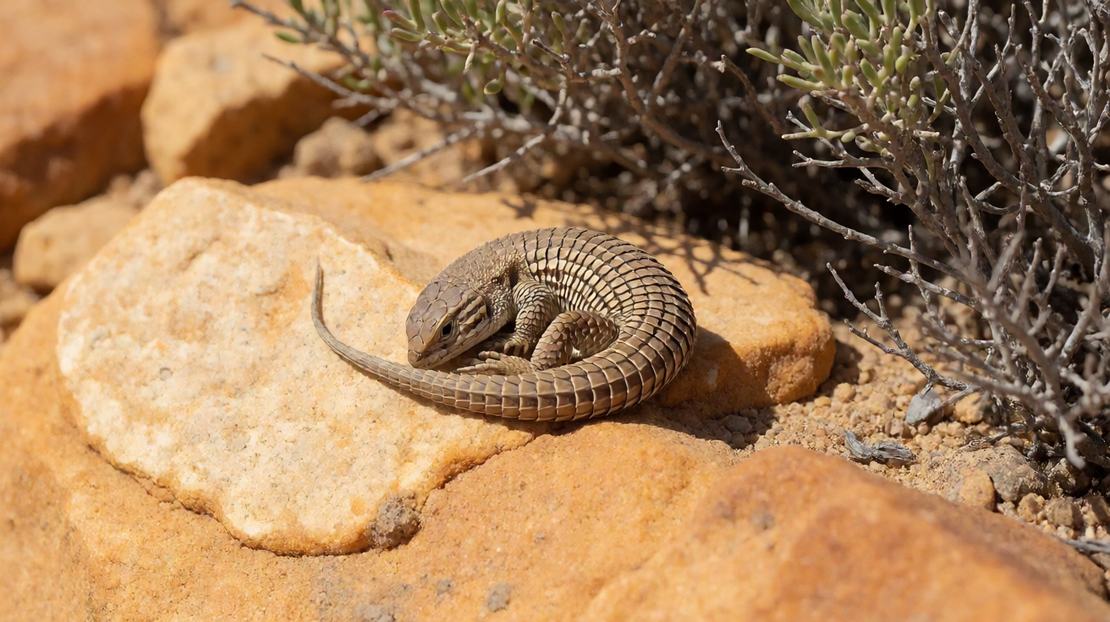
Armadillo lizards roll into a ring, and the mouth grips the tip of the tail. Spikes cover the back, and the ring shows nothing else. Most predators then give up. It lives on rocky ground along the west coast of South Africa.
Body length stays near 9 cm, and the tail adds a little more. Scales form hard plates, and each plate indeed carries a spine. Nothing soft faces out when the animal is rolled, since the whole surface is armour. One family group shares a rock crack, and the animals bask together at the entrance before they scatter to feed in the morning.
Few lizards show parental care, and this one does. Local law protects the species.
Family tree
Cordylidae, the girdled lizards
Ouroborus cataphractus is the current name, and Cordylus cataphractus is the old one. Workers moved the species into its own genus in 2011, since the old group was too broad. Family is Cordylidae, and the whole group stays in southern Africa.
Its nearest relative on this site is the Common Wall Lizard, a small European species. Both animals bask on rock, and both hunt insects in the open sun. Yet the two raise young in different ways, since one lays eggs and the other gives birth.
Its genus name comes from a snake that bites its own tail. That image fits the animal well, and the old name survives in local guides long after the official change. No subspecies is listed.
Cordylidae, girdled lizards
How to tell one
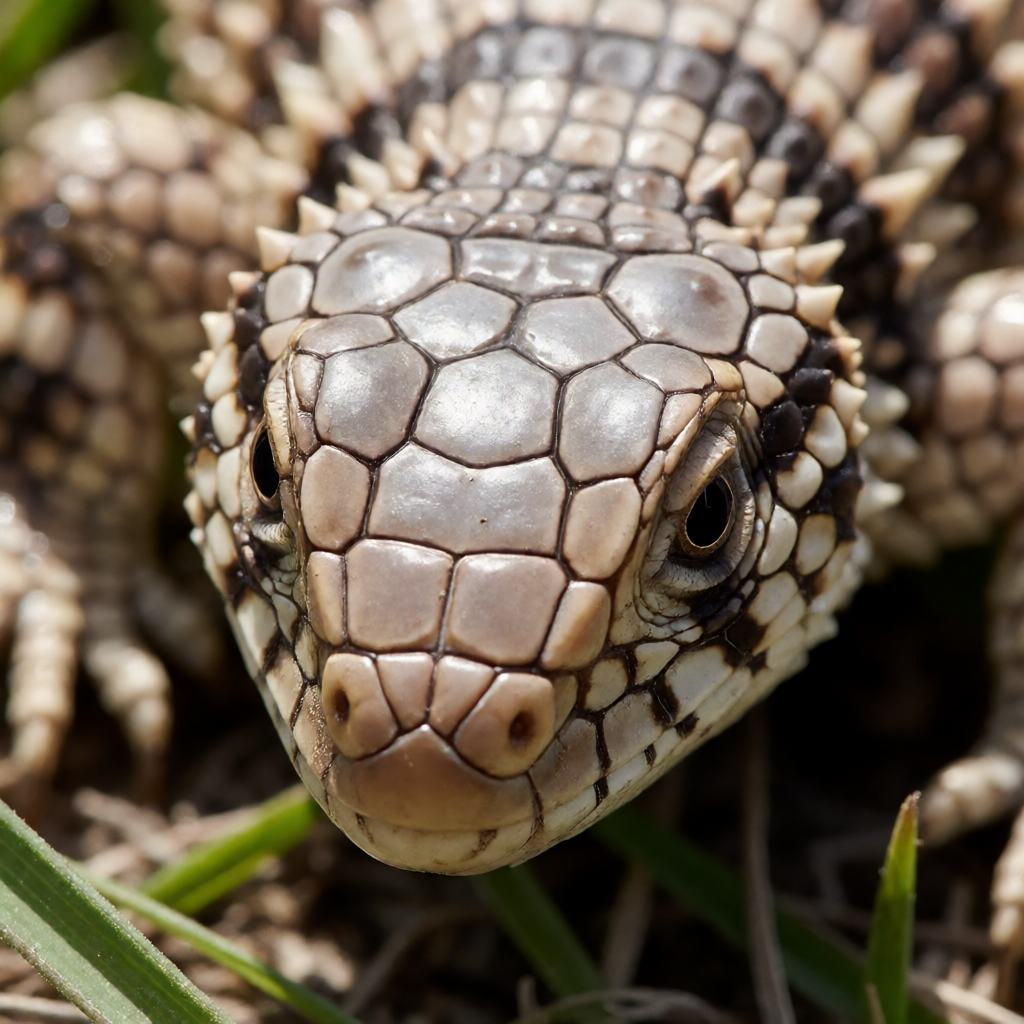
Body length runs from 7.5 cm to 9 cm, and the tail adds half again. Males grow larger than females, and old males carry thicker spines, since they grow for longer. Four rows of spines run down the back, and each spine sits on a bony plate. Colour is dull brown, and the belly stays pale, although the throat turns yellow.
Scales are not loose on the skin, so the body works like a box with four legs and a tail on the lid. Flat head fits the body outline, and the mouth closes hard. Legs are short, and the animal runs in short bursts, though never for long. No part of the tail breaks off.
Skin sheds in large pieces, and the animal often eats most of them. Eyes sit behind a ridge, and they stay shaded. No ear opening is visible.
1
2
3
Armour from head to tail
Where it lives
Rocky ground holds the species, and it never leaves the stones. Its range follows the west coast, from Namaqualand south to the Cape. Fynbos and dry scrub cover most of that land, although farms take the flatter parts.
Rain falls in winter. Cracks in granite and sandstone give shelter, and each group defends a set of them against neighbours that try to move in. Loose sand around the rock stays hot, and the animal crosses it fast.
Coastal development removes the rock, and the group then dies, since no other crack will take it. Altitude stays low. Summer heat sends the animals below, and they return in spring.
Granite cracks on a dry coast
What it eats
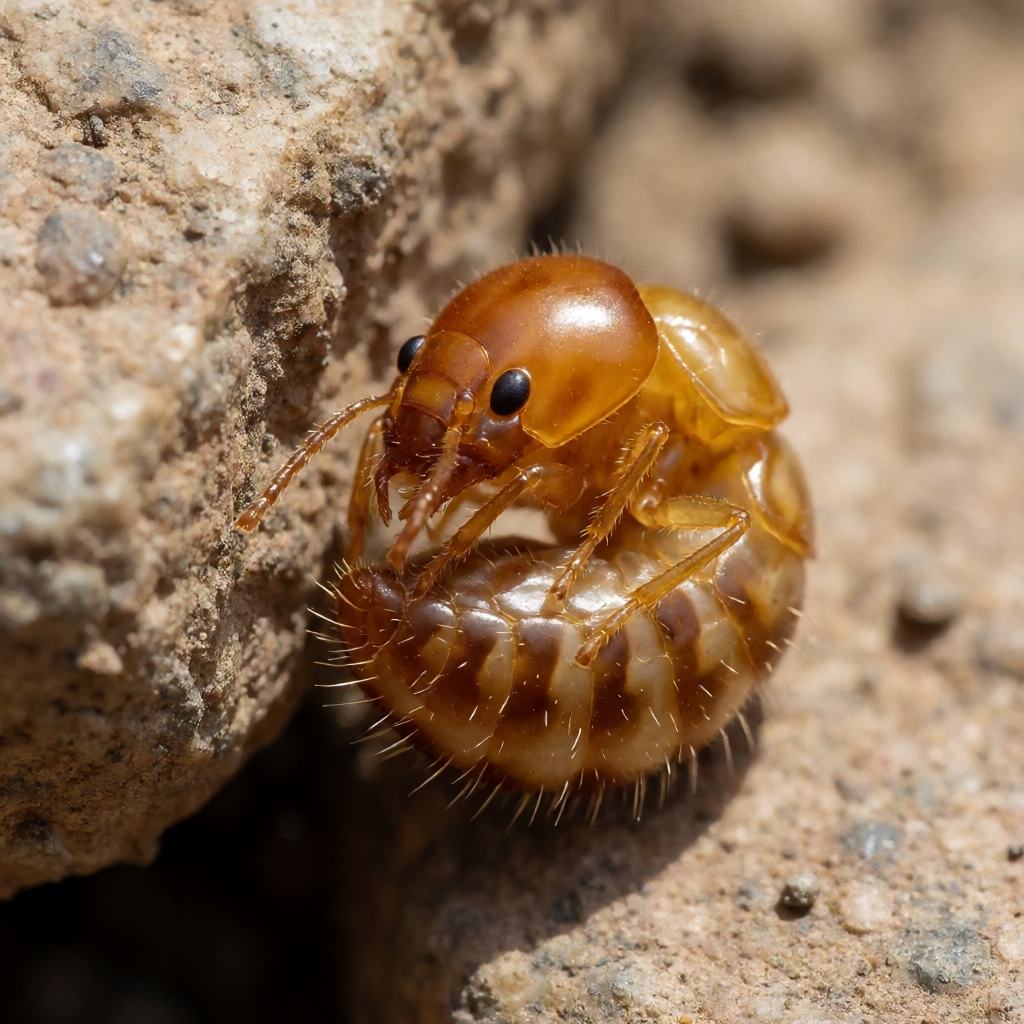
Insects form the diet, and beetles rank first. Termites, crickets and spiders also go down, and the animal hunts by sight. Short rush ends the hunt, and the prey is crushed.
Leaves are rarely eaten. Food is scarce on bare rock, so the animal takes whatever moves past the crack. Groups feed near the home crack rather than wandering, and each animal returns to the same few square metres every day.
Water comes from prey, since free water is rare. Morning sun warms the body, and the animal then hunts before the heat peaks. Captive animals take crickets, and they do well on them, although the diet needs calcium.
Insects on bare rock
The breeding cycle
This species gives birth rather than laying eggs, and that habit is unusual among lizards. Pregnancy lasts about six months, and one young is usual in most years. Females breed only every second or third year, so each young represents a large share of the lifetime output.
A newborn measures about 5 cm, and it stays near the group. Adults share food with the young, and they carry insects to the crack. Several adults guard one litter, and the group acts as a family.
Young animals inherit the home rock, and they keep using it for years. Growth is slow. Captive animals live past 20 years, and wild ones may reach 15.
Least Concern, and still collected
Conservation
The Red List ranks the species as Least Concern. A 2017 review lowered the rank, since several populations proved larger than expected. Earlier lists placed the animal in a threatened category, though the data then was thin.
Collectors pay high prices, and trade removes animals from the wild. Slow breeding makes the species fragile, since a group that loses its adults takes more than a decade to rebuild. Coastal building and mining destroy the rocky habitat.
CITES lists the species in Appendix II, so any trade needs a permit first. Numbers are not counted. Groups stay stable where the rock remains, and rangers now watch the sites.
Side by side
How It Compares
| Trait | Armadillo Girdled Lizard | Common Wall Lizard |
|---|---|---|
| Length | 7.5 cm to 9 cm from snout to vent, and the tail adds half again | 6.5 cm to 7.5 cm from snout to vent, and the tail adds double |
| Colour | dull brown with four rows of spines | brown or green with dark stripes along the back |
| Food | beetles, termites and spiders | insects and spiders, taken in short runs |
| Young | gives birth to one or two young after six months | lays two to ten eggs in soft ground |
| Defence | rolls into a ring and bites its own tail | drops the tail, which then twitches |
| Range | the west coast of South Africa | Europe, from Spain to the Balkans |
Common misreadings
What People Get Wrong
- Many people think the animal drops its tail, yet the tail cannot break off at all. It rolls into a ring instead, and the mouth holds the tip in place.
- A common tale says the lizard lives alone, although family groups share one rock crack. Several adults guard the young, and they carry insects back to the group.
- Guides claim the species is common everywhere, yet collectors have cleared many sites. A female breeds every few years, so a group takes a decade to rebuild.
Going further
Sources and Further Reading
Quick hits
Five things to remember
- The lizard bites its own tail.
- Spikes cover the whole back.
- The tail never drops off.
- Families share one rock crack.
- A female breeds every few years.