 By st20113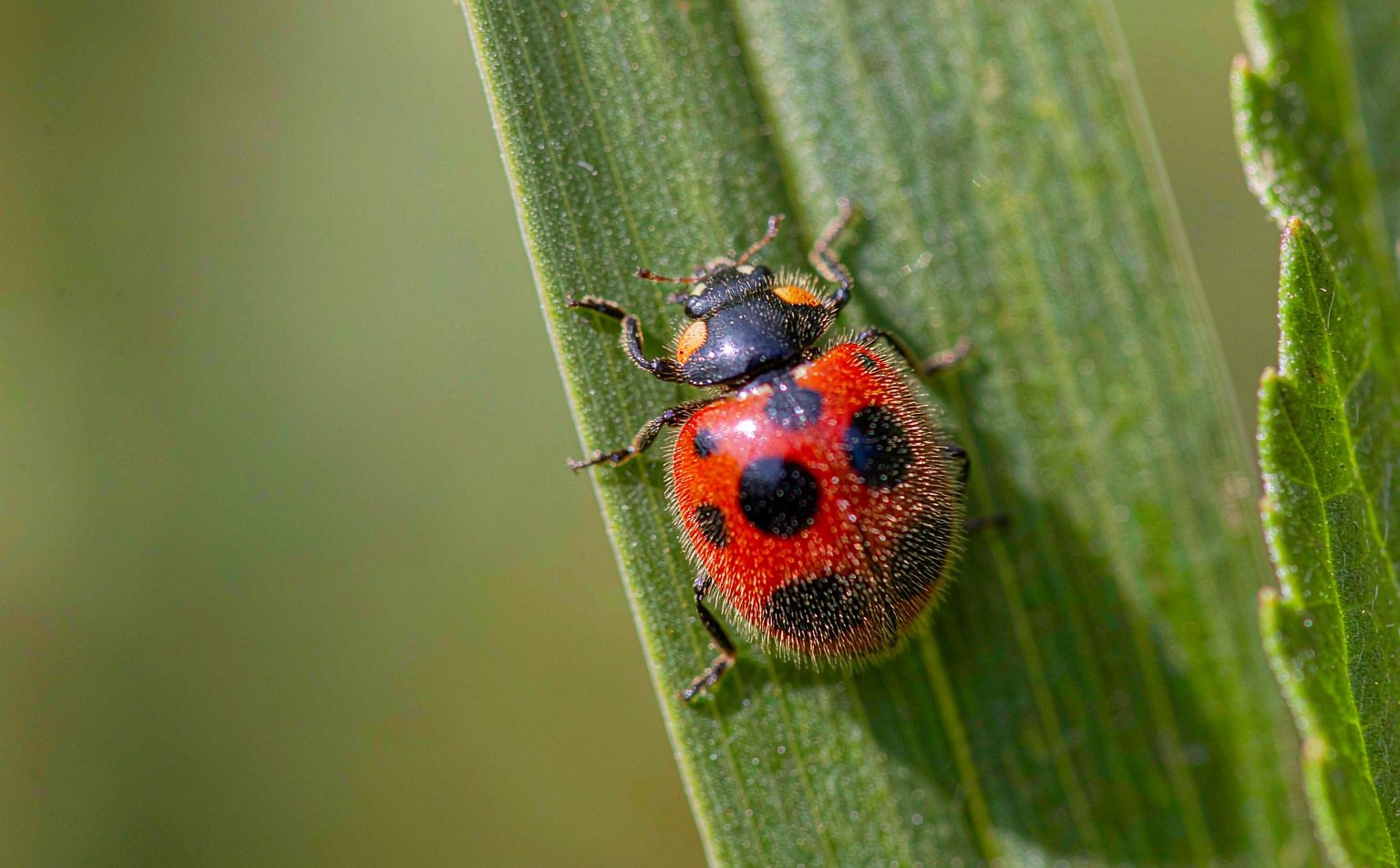
Harmonia axyridis | Harlequin Ladybird
Introduction
The Harlequin Ladybird (Harmonia axyridis) is one of the most variable and successful ladybirds in the world, a domed beetle native to eastern Asia that has spread, partly through deliberate release for pest control, to Europe and the Americas. It comes in a bewildering range of colours and spot patterns, from yellow with black spots to red with many spots, and it is both a valued aphid-eater and a concern where it outcompetes native ladybirds.
Taxonomy
The Harlequin Ladybird is a coccinellid beetle in the genus Harmonia, related to the [European Stag Beetle](https://www.gloencyc.com/european-stag-beetle-lucanus-cervus/) among beetles generally and, more closely, to the [Seven-spot Ladybird](https://www.gloencyc.com/seven-spot-ladybird-coccinella-septempunctata/). It was introduced to North America and Europe from Asia for biological control of aphids, and it has since become one of the most widespread ladybirds on both continents.
Physical Characteristics
Adults are 5 to 8 millimetres long, with a rounded, domed body and a fine fringe of hairs on the edge of the wing cases. The colour is extraordinarily variable: the common forms are red or orange with zero to twenty-two black spots, or black with two to four red spots, but yellow and even melanistic forms occur. The head is black with two white to cream markings on the pronotum, a useful identifying feature.
The legs and antennae are dark, and the jaws are small but effective at crushing soft prey. Unlike many ladybirds, the Harlequin is robust and large compared with common native species, and its huge colour range is the main reason it is mistaken for many other beetles. When threatened it secretes a yellow, foul-tasting fluid from its legs, a defence shared with its relatives.
Habitat
The Harlequin Ladybird thrives in almost any habitat with aphids: farmland, orchards, gardens, parks, hedgerows, forests and urban green spaces. It is unusually adaptable and often gathers in large numbers on buildings in autumn, seeking winter shelter in crevices, window frames and roof spaces. Its flexibility lets it outcompete more specialised native ladybirds for both food and overwintering sites.
Diet
Both larvae and adults feed mainly on aphids and scale insects, and a single beetle can eat dozens of aphids a day, making it effective against crop and garden pests. It also eats mites, small caterpillars and the eggs and larvae of other ladybirds, and when prey is scarce it turns to fruit, nectar and pollen. This broad diet helps it persist where more specialised predators fail.
Reproduction
Mating takes place in spring and summer, and females lay clusters of yellow, spindle-shaped eggs on leaves near aphid colonies. The larvae are dark, alligator-like and spotted with bright warts, and they feed fiercely before attaching to a surface to pupate. Adults emerge in one to two weeks and may live for a year or more, with several generations possible in warm regions. In autumn they mass to find communal overwintering sites.
Conservation
The Harlequin Ladybird is abundant and not in need of conservation; rather, it is a species of management concern because it can displace native ladybirds and contaminate wine when it falls into grape harvests. Studies track its spread and effects on native coccinellids, and gardeners are encouraged to learn its markings to distinguish it from threatened locals. No action is needed to protect it, but monitoring helps understand its impact on biodiversity.
Fun Facts
- Its colour and spot pattern vary so much that no two forms look quite alike.
- It was shipped worldwide on purpose to eat crop aphids, then spread far beyond control.
- In autumn it swarms into houses and sheds by the hundred to hibernate.
- Like other ladybirds, it oozes a yellow bitter fluid from its legs when handled.
- It will eat the young of other ladybird species when aphids run short.