 By st20113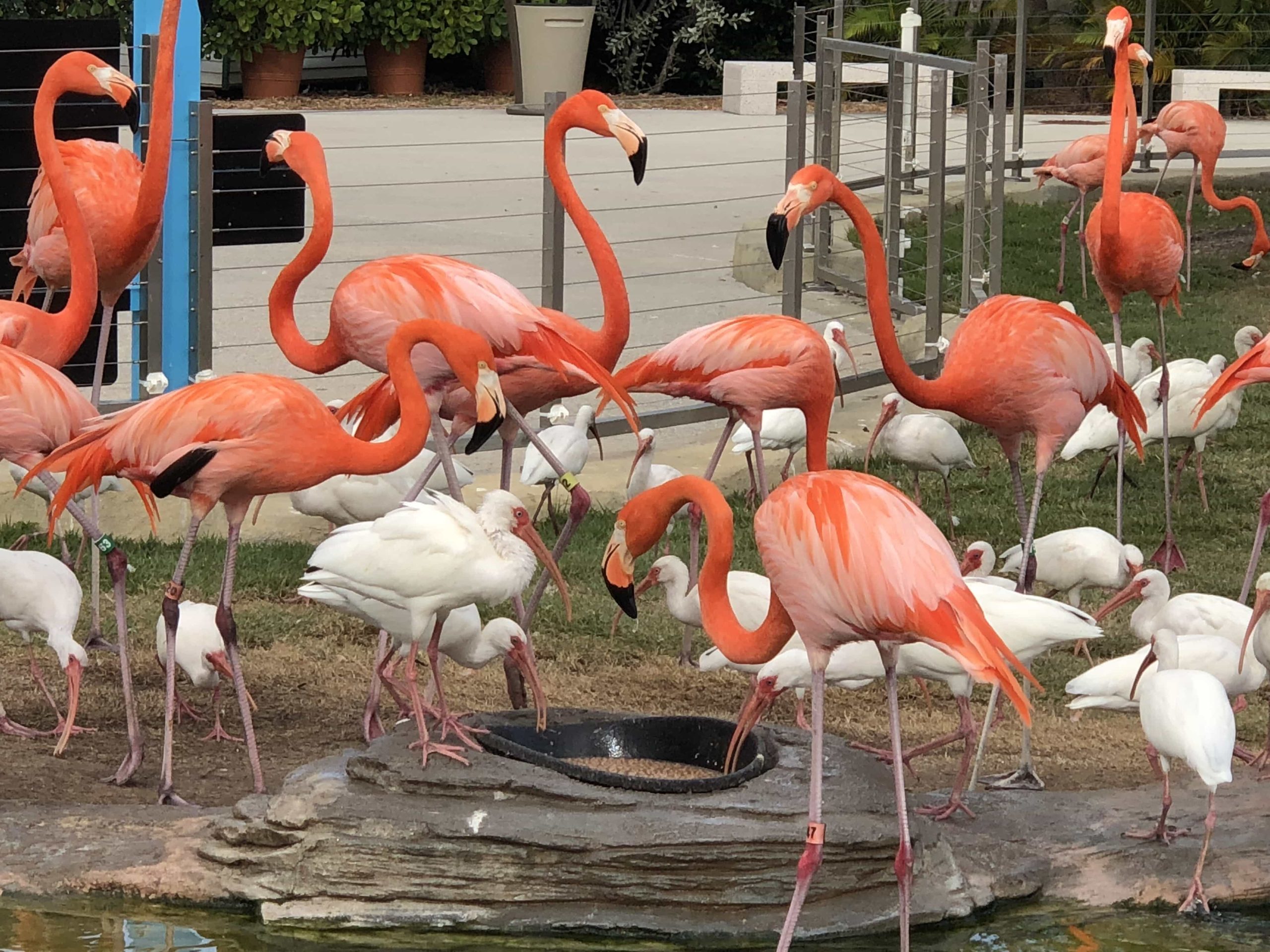
Introduction
The greater flamingo (Phoenicopterus roseus) is the largest and most widespread of the six flamingo species, known for its striking pink to coral-colored plumage, long S-shaped neck, and distinctive habit of standing on one leg. Found across Africa, southern Europe, the Middle East, and South Asia, greater flamingos inhabit shallow saline and alkaline lakes, lagoons, and coastal mudflats, forming some of the most spectacular colonial breeding aggregations in the bird world.
Taxonomy and Classification
The greater flamingo is a member of the family Phoenicopteridae, which contains six recognized species. Despite their superficial resemblance to storks and herons in older taxonomies, molecular genetic studies have shown that flamingos are most closely related to grebes. This unexpected relationship is confirmed by similarities in their leg bone structure and foot webbing.
Physical Characteristics
Greater flamingos are tall birds, standing 110 to 150 cm (3.6 to 4.9 feet) tall and weighing 2 to 4 kg (4.4 to 8.8 lbs). Their most striking feature is their pink to coral-colored plumage, derived from carotenoid pigments in the algae and crustaceans they consume. Their legs can be up to 80 cm (31 inches) long, and their bills are uniquely shaped with a downward bend, adapted for filter-feeding.
Distribution and Habitat
Greater flamingos are found across Africa, southern Europe, the Middle East, and South Asia. They inhabit large, shallow, alkaline or saline lakes, coastal lagoons, estuaries, and tidal flats. They are highly dependent on specific environmental conditions — alkaline lakes with abundant cyanobacteria and suitable mudflats for breeding.
Feeding Behavior
Flamingos feed by wading in shallow water and sweeping their curved bills through the water and mud. Their bills contain lamellae (comb-like filters) that strain food items. Greater flamingos are primarily filter feeders, consuming algae, brine shrimp, larvae, and mollusks. A flamingo may consume up to 25% of its body weight in food per day.
Social Behavior and Breeding
Flamingos are among the most social of all birds, breeding in colonies that can number from thousands to over a million individuals. Nests are constructed from mud as cone-shaped mounds approximately 30 cm high. Both parents share incubation duties for about 28 to 32 days. Chicks congregate in large crèches guarded by a few adults while parents forage.
Conservation Status
The greater flamingo is listed as Least Concern with an estimated global population of 550,000 to 680,000. Major threats include habitat loss from water extraction, pollution, and climate change affecting lake water levels.
[…] species, the Australian white pelican, roughly 5 million years ago. It is closely related to the greater flamingo and the great blue heron, sharing the elongated body plan and aquatic foraging strategy of the […]