 By st20113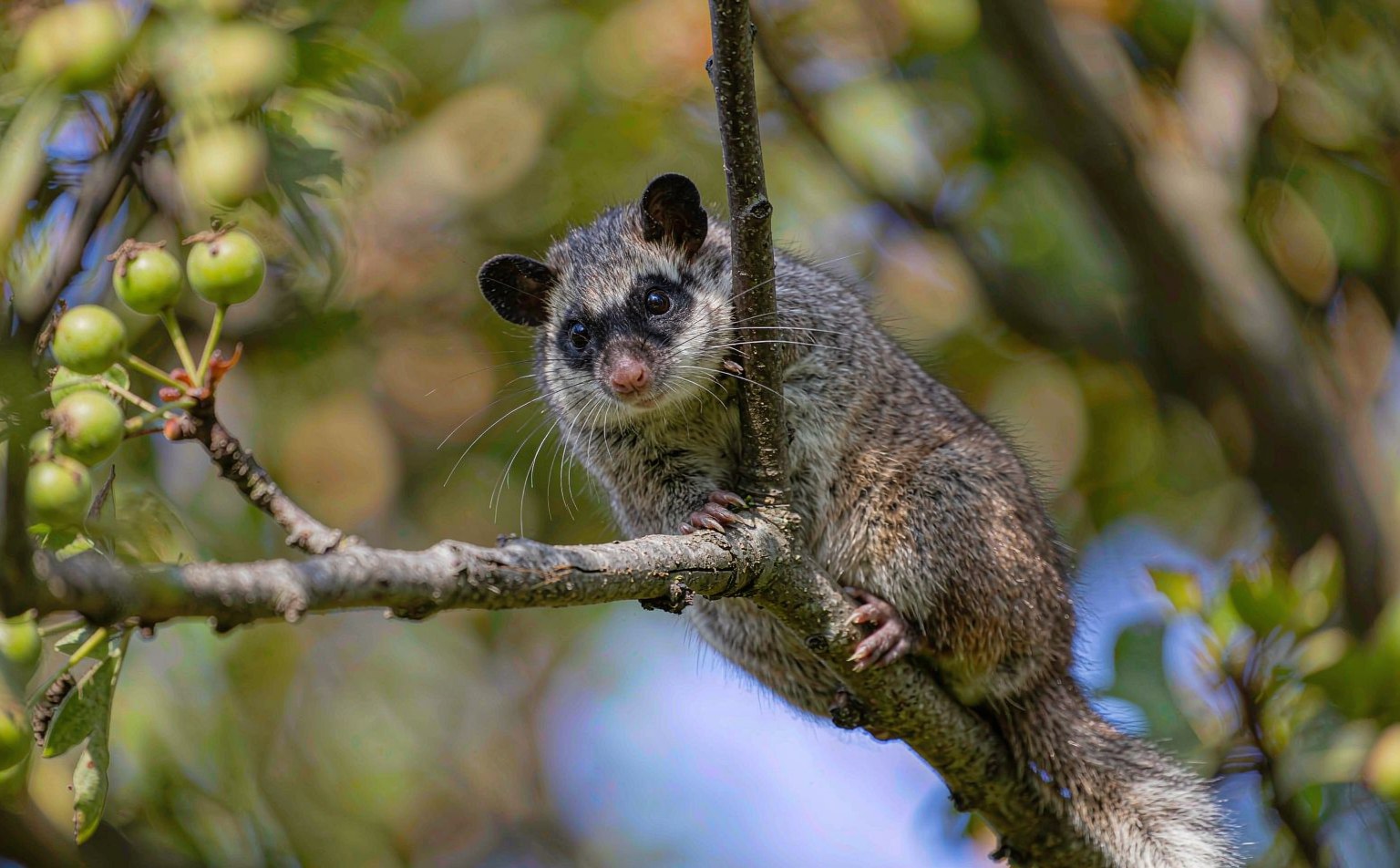
Eliomys quercinus | Garden Dormouse
Introduction
The Garden Dormouse (Eliomys quercinus) is a nimble, nocturnal rodent of southern and central Europe, easily told apart from other dormice by the bold black mask across its eyes and a bushy tail tipped with white. An agile climber, it spends much of its life in trees and bushes, though it also travels on the ground between woodland patches. Like all dormice it is a true hibernator, disappearing for the cold months into a well-insulated nest. Although charming, it is declining in parts of its range and is considered vulnerable in several countries.
Taxonomy
Eliomys quercinus belongs to the family Gliridae, the dormice, a group of nocturnal rodents famed for their long sleep. It is one of three dormouse genera native to Europe and is the only member of its genus found on the continent. It is a close relative of the Edible Dormouse, which shares its arboreal habits but lacks the garden dormouse’s striking facial mask. Several subspecies have been described across its range, from Iberia to the Balkans and into parts of western Asia, differing mainly in size and coat tone. Genetic studies suggest some island populations are quite distinct, though the species as a whole remains clearly defined.
Physical Characteristics
Adults weigh 60 to 140 grams and measure about 10 to 15 centimetres in head-and-body length, with a tail almost as long again. The fur is soft and grey-brown on the back, creamy white below, and the face bears a dark mask through the eyes bordered by pale markings. The large black eyes and rounded ears suit its nocturnal life, and the long, furry tail ends in a conspicuous white tip. The feet are broad and partly padded for gripping bark. In autumn the animal fattens considerably, building reserves that will carry it through months of hibernation without feeding.
Habitat
Garden dormice favour warm, varied woodland with a mix of broadleaf trees, shrubs and old stone walls or buildings where they can nest. They use hedgerows, orchards, parks and rocky hillsides as well as forests, and they are more tolerant of open, sunny habitats than the strictly woodland dormice. They need cavities for nesting—in trees, rock crevices or nest boxes—and a connected mosaic of cover so they can move safely at night. They avoid cold, exposed uplands and intensively farmed land without hedgerows, which fragments their populations.
Diet
These dormice are omnivorous. In summer they eat insects, especially moths, beetles and caterpillars, together with soft fruits, berries and tree flowers and their pollen; in autumn they switch heavily to nuts, seeds and fruits to lay down fat. They will also take eggs and nestlings of small birds when opportunity allows, a more predatory side than many dormice show. Like the Wood Mouse that shares woodland edges, they cache food, but the garden dormouse relies most on hibernation to survive winter rather than on stored larders.
Reproduction
Breeding begins in late spring after emergence from hibernation. Females rear one or two litters per year in a leafy nest within a cavity, each of 3 to 6 blind, helpless young. The mother moves the litter if disturbed, carrying them one by one in her mouth. The young grow quickly on a diet of milk then insects and fruit, and they disperse after a few weeks. By autumn they must reach sufficient weight to enter hibernation, which lasts from October or November until the first warm nights of spring. There is no parental care through the winter.
Conservation
The garden dormouse is classified as Near Threatened or Vulnerable in parts of its range, with declines linked to the loss of hedgerows, old trees and connected habitat, plus competition and disease from the expanding edible dormouse in some areas. It is protected under European wildlife law and is a priority species for dormouse conservation projects. Helping it means keeping woody hedgerows, retaining veteran trees with natural holes, and providing nest boxes. Public sightings and garden records are valuable because the species is secretive and easily under-counted.
Fun Facts
- The black eye-mask is unique among European dormice.
- Its tail tip is bright white, used in displays and as a distraction for predators.
- It can eat small birds’ eggs and nestlings as well as fruit and insects.
- Despite the name, it is a wild animal and not a pet of gardens alone.
- It may sleep for more than half the year in deep hibernation.