 By st20113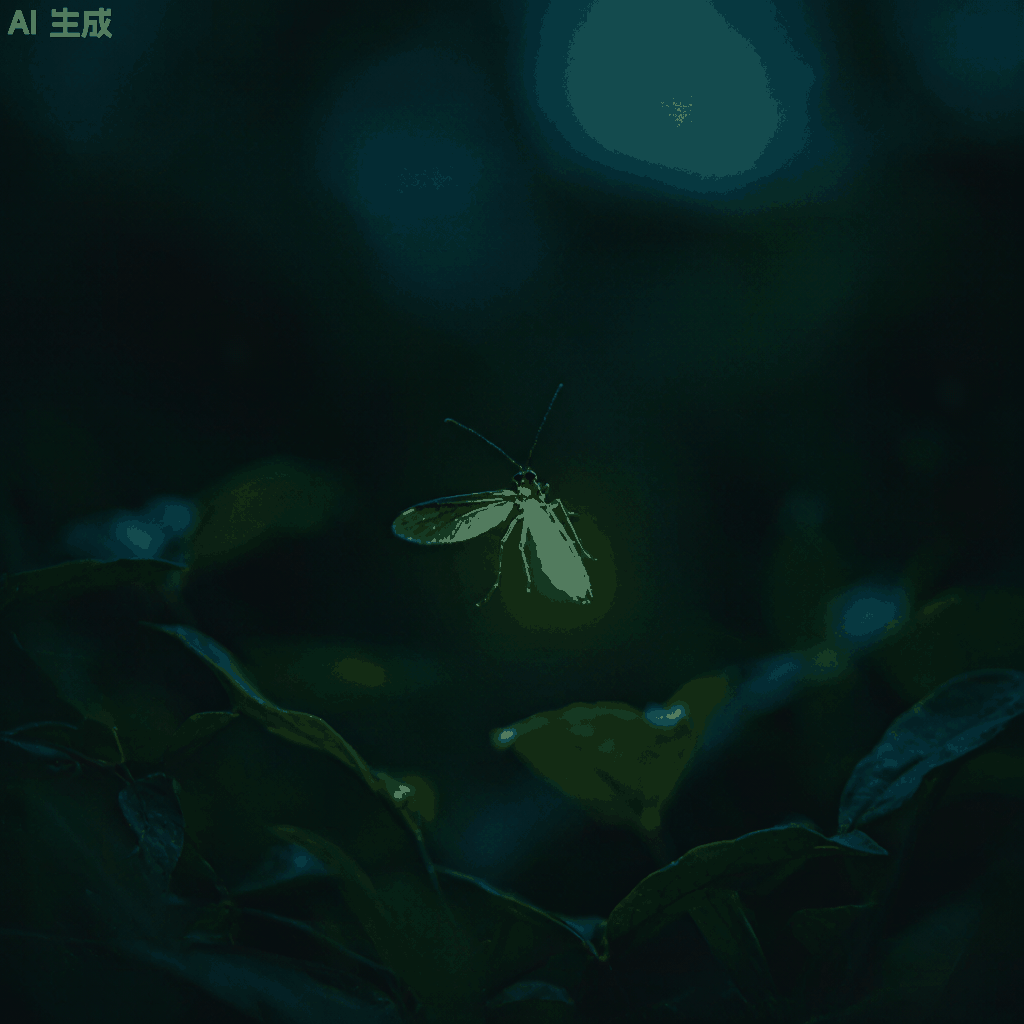
Introduction
The common firefly, Photinus pyralis, is the familiar flashing beetle of summer evenings across much of North America, beloved for the soft yellow-green glow it produces to find mates. Despite the name “firefly,” it is not a fly at all but a beetle in the family Lampyridae, a group whose members are collectively known as lightning bugs or glow-worms. The common firefly is perhaps the best-known of the more than two thousand firefly species worldwide, recognized by its rhythmic, synchronized-looking flashes that blink on and off in the dusk. Its light is one of nature’s most efficient chemical reactions, producing virtually no heat, a phenomenon called cold light. For centuries these insects have inspired poetry, folklore, and scientific curiosity, and they remain a cherished sign of warm-weather nights. Beyond their charm, fireflies are valuable indicators of environmental health, because their larvae and adults are sensitive to pollution and habitat change. Studying Photinus pyralis has also advanced our understanding of bioluminescence, a process now borrowed by medicine and biotechnology to track cellular activity in laboratories around the world.
Taxonomy
Photinus pyralis belongs to the class Insecta, order Coleoptera, the beetles, and the family Lampyridae, the fireflies. The genus Photinus includes numerous species across the Americas, characterized by soft-bodied adults with a light-producing organ at the tip of the abdomen. The species name pyralis is derived from a Greek word for “of fire,” a fitting tribute to its glowing abdomen. Fireflies are not a single evolutionary line but a family within the beetle suborder Polyphaga, distinguished by their bioluminescent capabilities, though not all members glow as adults. Within Lampyridae, species are divided among several genera distinguished by flash pattern, habitat, and anatomy. Photinus pyralis is a diurnal-inclined species that becomes active at dusk, and it is one of the most widespread fireflies in the eastern United States. Molecular studies have clarified relationships among firefly genera and shown that light production evolved early in the group’s history. The common firefly’s classification has been stable for centuries, with the species first described by Carl Linnaeus, who placed it among the beetles and noted its luminous trait.
Physical Characteristics
Adult Photinus pyralis measures roughly one to one and a half centimeters in length. It has a flattened, elongated body typical of soft-winged beetles, with brownish-black coloration and a distinctive pale yellow margin along the edges of the thorax. The most notable feature is the paired light organ at the rear of the abdomen, which emits a yellow-green glow when oxygenated. Males are slender with fully developed wings and wing covers, while females often resemble larvae or are larviform, with reduced wings in some related species, though P. pyralis females are typically winged. The head is small and tucked under the pronotum, bearing compound eyes suited to low light and antennae used to detect pheromones and mates. The幼虫, or glow-worm stage, is a flattened, segmented, dark creature with light organs along its body and powerful mandibles for capturing prey. Fireflies produce light through a reaction involving luciferin, the enzyme luciferase, oxygen, and ATP within specialized cells. This cold light is nearly one hundred percent efficient, wasting almost no energy as heat, a feat human lighting has long sought to emulate.
Habitat and Distribution
The common firefly is widespread across the eastern and central United States and parts of southern Canada and Mexico, favoring humid environments where its larvae can find moist soil and abundant prey. Typical habitats include meadows, open woodlands, forest edges, gardens, hedgerows, and the banks of ponds and streams. The species thrives where there is a mix of open ground for flight and dense vegetation for shelter and larval development. Larvae develop in leaf litter, moss, and damp soil, hunting soft-bodied invertebrates, while adults roost in grass and low plants during the day and take to the air at dusk. Photinus pyralis is adaptable but sensitive to drought and to the loss of ground cover, which explains its decline in some heavily managed landscapes. It is less common in arid regions and at high elevations. Because the beetles are weak fliers and stay close to where they developed, local populations are tied to the quality of nearby habitat. Conservation of unmowed margins, native plants, and natural water features supports healthy firefly communities, making backyard habitat choices surprisingly important for their persistence.
Diet and Behavior
Firefly biology differs between life stages. The larvae are voracious predators, feeding on snails, slugs, worms, and other soft-bodied invertebrates, which they subdue with toxic saliva. This predatory role helps control garden pests, making fireflies beneficial to humans. Adults of Photinus pyralis, by contrast, often feed little, subsisting mainly on nectar or dew, and some do not feed at all, living only long enough to mate. The signature behavior is the flash communication system used for reproduction. Males fly in a characteristic J-shaped flight path, emitting a rhythmic flash about every few seconds, and pause to await an answering flash from a female perched in vegetation. The female responds with a delayed flash of her own, and the male homes in on her location. Each species has a distinctive flash pattern and timing, which prevents mismating between sympatric fireflies. Interestingly, some female fireflies of related groups are known to mimic the flashes of other species to lure and eat males, though Photinus pyralis primarily uses its light for honest mate signaling. The glow also serves as a warning to predators that the beetle tastes unpleasant and contains defensive chemicals.
Reproduction
Reproduction in the common firefly centers on the nocturnal flash dialogue between males and females. After locating a responsive female through her answering flashes, the male lands nearby and mates with her, often transferring a nutritious spermatophore along with sperm. The female then lays her eggs in moist soil or leaf litter, typically in small clusters, over the course of several nights. The eggs hatch within a few weeks into larval glow-worms, which immediately begin hunting small prey in the damp substrate. The larvae pass through several molts over one to two years, depending on climate, growing through the winter in sheltered soil. Pupation occurs in the soil, and the adult beetle emerges, usually in late spring or early summer, ready to begin the mating flights. Adults live only a few weeks, just long enough to reproduce. The extended larval stage means that firefly populations are built up over multiple years, so a single bad year of drought or habitat disturbance can have lingering effects. Because mating depends on visual flashes, any interference with darkness, such as excessive artificial light, can disrupt reproduction and reduce local populations.
Conservation Status
The common firefly is not currently listed as globally threatened and remains widespread, but many firefly species, including local populations of Photinus pyralis, are showing signs of decline. The primary drivers are habitat loss, pesticide use, light pollution, and climate-related changes in precipitation. Artificial outdoor lighting is especially problematic because it masks the bioluminescent signals fireflies rely on to find mates, effectively silencing their communication. Pesticides and lawn chemicals reduce both adult habitat and the larval prey base, while the conversion of meadows and wetlands to development removes the moist, vegetated areas they need. Citizens and scientists have begun monitoring programs to track firefly abundance, and conservation recommendations emphasize reducing light at night, planting native vegetation, leaving leaf litter and unmowed edges, and avoiding broad-spectrum insecticides. Because fireflies are popular and easy for the public to observe, they serve as effective flagship species for broader biodiversity protection. Protecting them safeguards the moths, bees, and other nocturnal wildlife that share their habitats. Continued research is needed to separate natural population fluctuations from genuine long-term declines.
Fun Facts
Fireflies produce light through a chemical reaction so efficient that almost no energy is lost as heat, earning the name cold light, a principle engineers still struggle to replicate in human lighting. The glow of a firefly is controlled by regulating oxygen flow to its light organ, allowing it to toggle the beacon on and off in precise patterns. Each firefly species has its own flash code, a kind of private language that helps males and females of the same species find one another in the dark. The larvae glow too, which is why they are called glow-worms, and their light likely warns predators of their unpleasant taste. Firefly luciferase and luciferin are now used in medicine and research to detect the presence of specific molecules and to image processes inside living cells. A single female can answer a male’s flash from several meters away, guiding him through the night. Some of the world’s fireflies flash in breathtaking synchrony, though Photinus pyralis keeps its own steady rhythm. Perhaps most endearing is that these harmless beetles have turned darkness itself into a tool for love, lighting up summer nights without a spark of heat.