 By st20113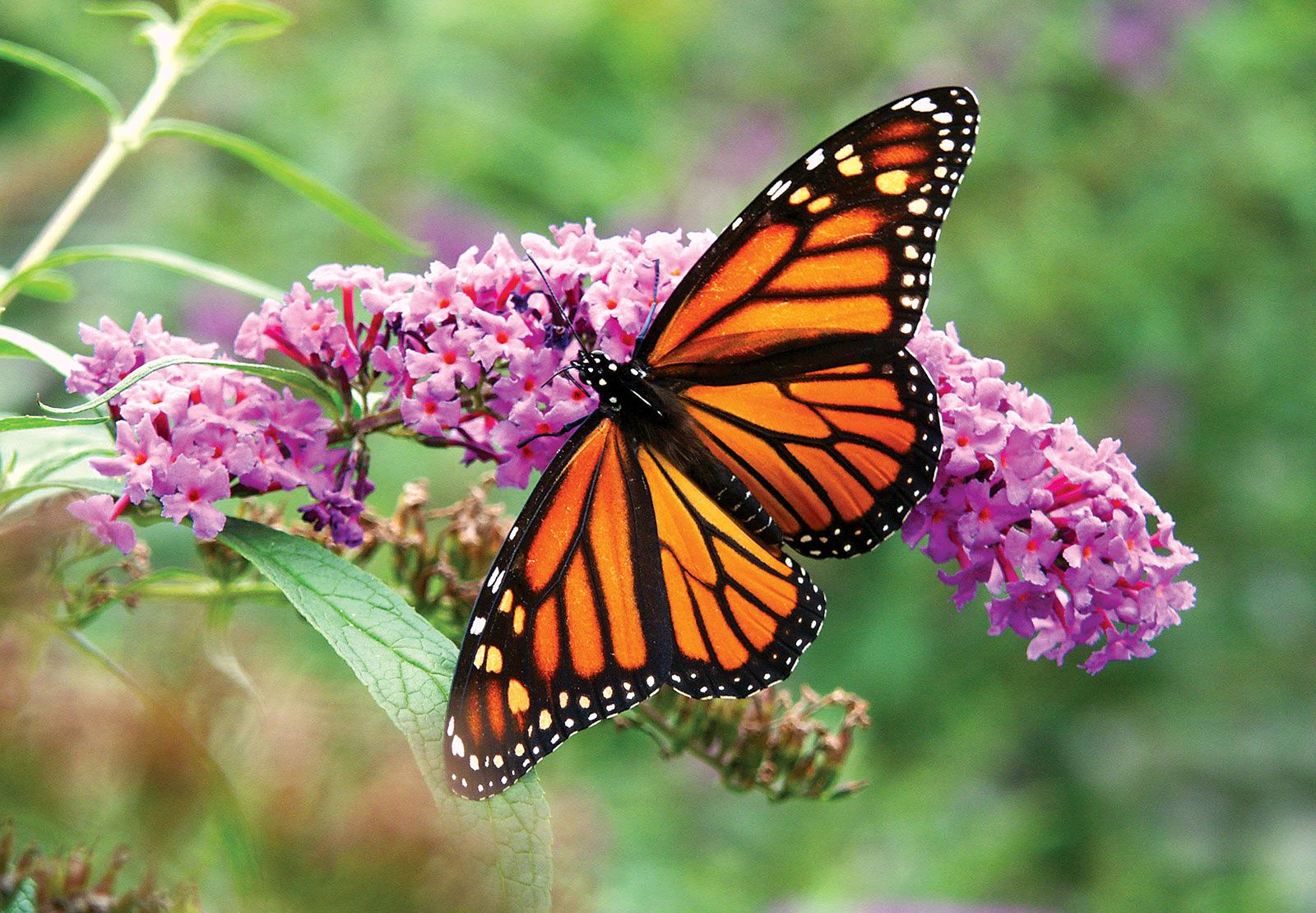
Butterflies are flying insects of the order Lepidoptera, characterized by their large, often brightly colored wings and slender bodies. Found on every continent except Antarctica, butterflies undergo one of nature’s most remarkable transformations-metamorphosis. As essential pollinators in their ecosystem, they play a crucial role alongside honey bees in the pollination of flowering plants.
Physical Characteristics
Butterfly wings are covered with thousands of tiny scales that create their vibrant colors and patterns. These scales act like a roof, providing insulation and water repellency. Butterflies have a coiled proboscis-a tube-like tongue that uncoils to sip nectar. Their compound eyes contain up to 12,000 lenses, giving them excellent motion detection but relatively poor distance vision.
Life Cycle: Metamorphosis
The butterfly undergoes complete metamorphosis in four stages: egg, larva (caterpillar), pupa (chrysalis), and adult. The caterpillar spends most of its time eating plant leaves, often growing to thousands of times its birth weight. Within the chrysalis, the caterpillar’s body completely breaks down and rebuilds into the adult butterfly-a process that can take weeks or months.
Migration
The monarch butterfly undertakes one of the most extraordinary migrations in the insect world, traveling up to 4,800 kilometers from Canada and the United States to overwintering sites in Mexico. Multiple generations complete this round trip, with each butterfly navigating to a location it has never visited.
Diet and Feeding
Adult butterflies feed primarily on nectar from flowers, using their proboscis to drink. Some species also consume tree sap, rotting fruit, and mineral-rich mud (puddling). Caterpillars eat plant leaves, each species typically feeding on specific host plants.
Conservation Status
Many butterfly species are declining due to habitat loss, pesticide use, and climate change. Monarchs are classified as Endangered by the IUCN, with populations declining over 80 percent in recent decades. Planting native flowers and reducing pesticide use support local butterfly populations.
[…] one of the most common mantid species across the continent, from southern Canada to Mexico. The Butterfly and the mantis share many of the same meadow and garden habitats, where both are familiar sights […]