 By st20113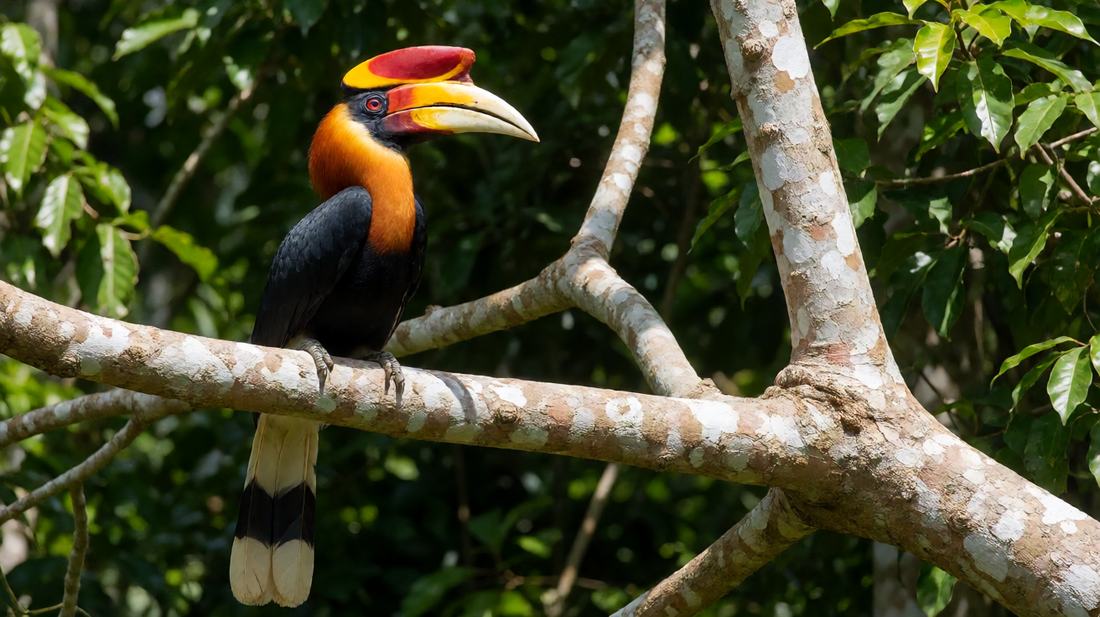
Buceros hydrocorax | Rufous Hornbill
Species Profile · Bucerotidae
Rufous Hornbill
A large Philippine hornbill with a red helmet on its bill that walls the female into a tree hole to nest.
Vulnerable (2020) 2020 assessment
Length
Wingspan
Casque
Eggs
Diet
Rating
The Rufous Hornbill
A helmet of red
This is one of the largest hornbills in the Philippines. A male can reach 90 cm from bill to tail. Its head, neck and belly glow a deep rufous brown.
Wings and back stay black. On top sits a huge red bill with a ridged casque. Local people call it the clock of the mountains.
Because the birds call at dawn, noon and dusk, the name fits their habits. Its voice is a loud, braying honk. Although the bird still haunts a few islands, logging has stripped so much lowland forest that its call now sounds across far fewer valleys than it once did.
Family tree
Bucerotidae, the hornbills
A Swedish naturalist, Linnaeus, described the bird in 1766. He placed it in the genus Buceros, the true hornbills. The species name means rufous raven. Two or three races have been named.
Some workers, however, now split the southern form into its own species. So the birds of Luzon and the birds of Mindanao may not be one kind. Its closest large relative is the Great Hornbill. Both birds share the casque and the sealed nest.
That casque is hollow and light, though it looks like solid bone. Because the group has been reshuffled so often, older checklists and newer ones disagree about how many Philippine hornbills exist, and field workers now record two where a single species was once listed.
65 cm of rufous and black
How to tell one
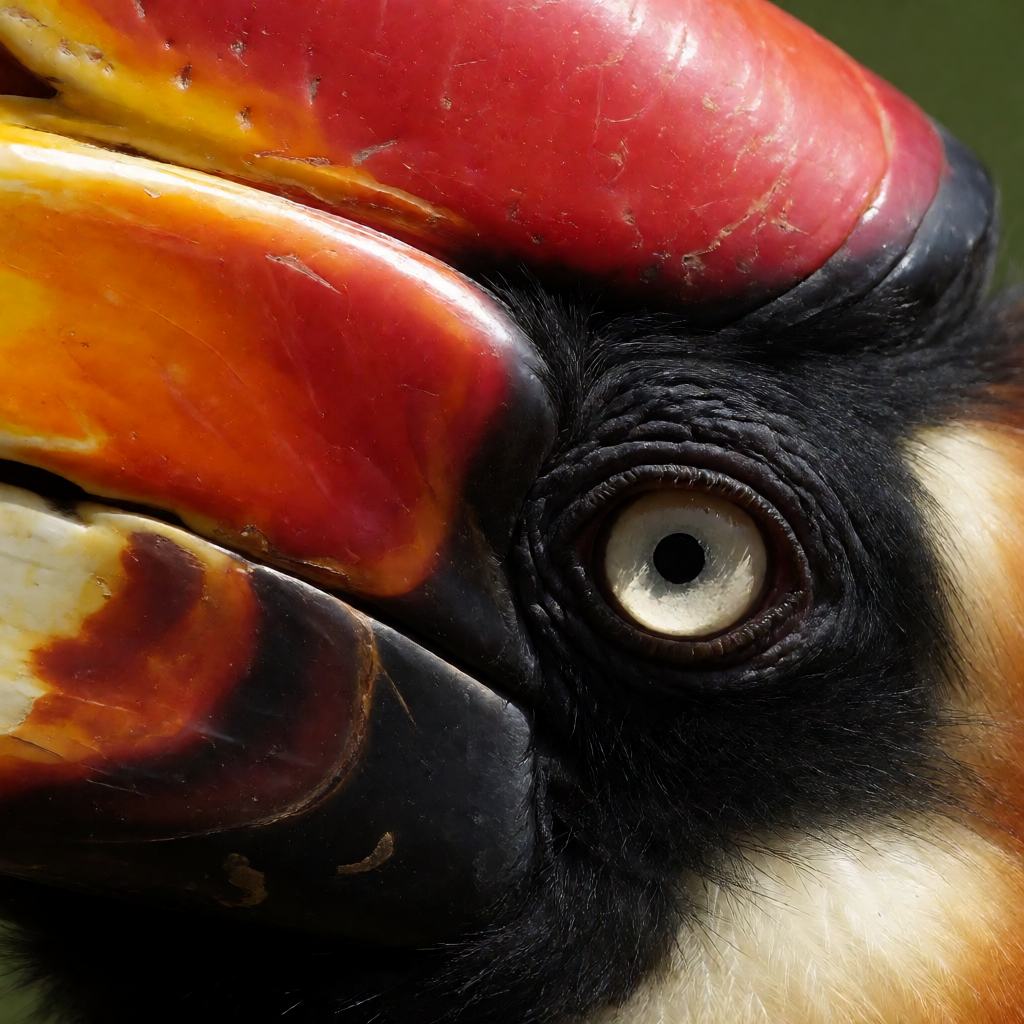
Adults wear rufous brown on the head and breast. A long white tail carries a black band. Wings show black, while the tips stay white. A casque rises from the top of the bill.
In males the bill and casque are red. Females carry a smaller casque, yet the colour matches. The eye is pale, almost white. Skin around the eye is bare and dark.
Weight reaches about 1.2 kg. Because the bird flies between fruiting trees rather than along the ground, its wings make a loud whooshing sound that carries through the canopy.
1
2
3
Philippine lowland forest
Where it lives
Primary forest is the main home. Lowland and lower montane forest both suit it. Most records come from below 1,500 m. A few birds range higher.
The species lives only in the Philippines. Luzon, Samar, Leyte, Bohol and Mindanao all hold birds. Tall trees with old holes are essential. Logging removes those trees first.
Farmland and scrub rarely support a pair. Although the hornbill can cross gaps between forest patches, it will not nest in a young stand, because a suitable cavity takes decades to form.
Fruit, with some meat
What it eats
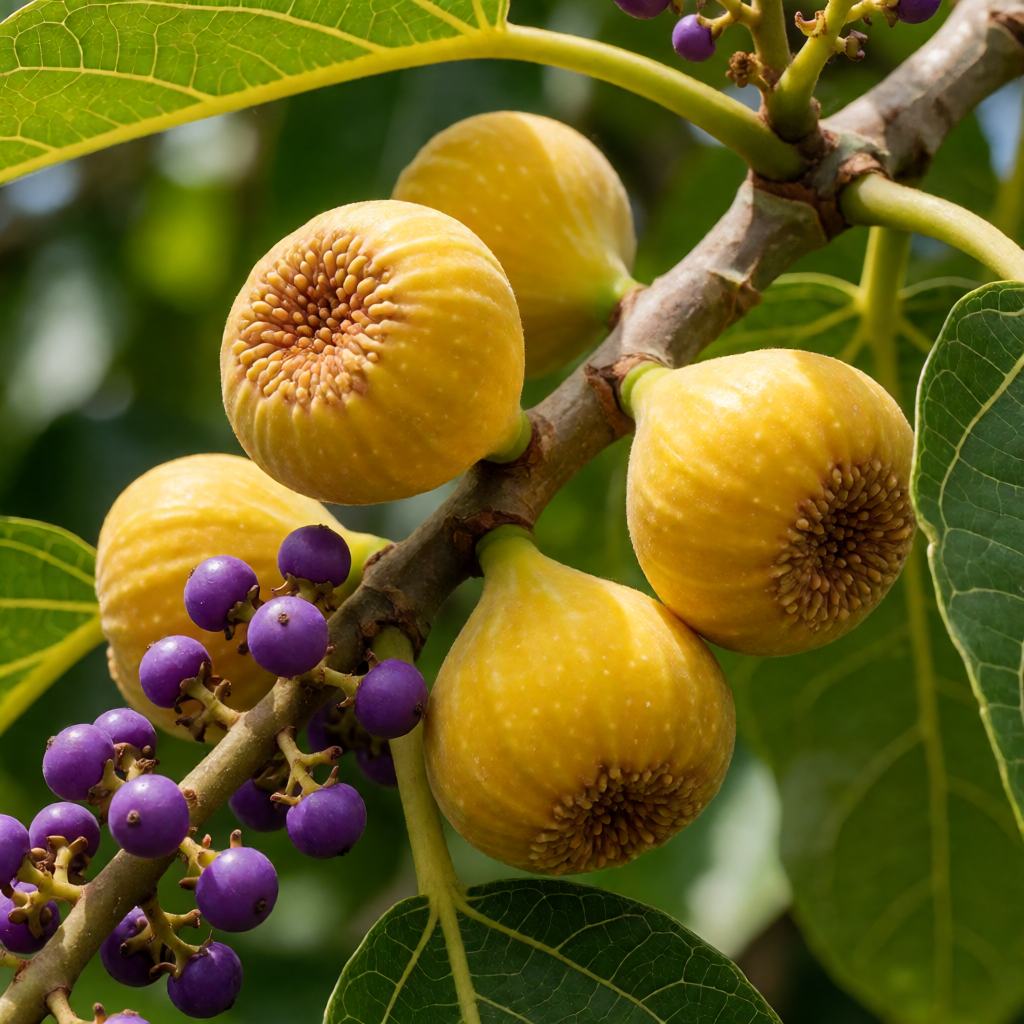
Fruit, rather than animal prey, forms the bulk of the diet. Figs matter most. The bird also takes beetles and other insects. Small lizards and frogs are eaten now and then.
Chicks receive mostly fruit and insects. Because the bill is huge, the bird must toss food up and catch it. That trick lets it swallow fruit whole. Seeds pass through intact.
So the hornbill spreads fig trees across the forest. Since one bird may visit dozens of trees in a day, the seeds land far from the parent trunk, and new figs sprout along the route.
A walled-in nest hole
The breeding cycle
Pairs hold a territory for years. A hollow tree high above ground holds the nest. The female seals herself inside. She uses mud, droppings and wood chips.
Only a narrow slit stays open, while the rest is sealed tight. Food goes in through that slit. A clutch holds 2 or 3 eggs. Incubation takes about 5 weeks.
Fledging takes roughly 3 months. Both parents then feed the young bird, though the mother leaves the nest first.
Vulnerable and falling
Conservation
The IUCN lists this hornbill as Vulnerable. The 2020 assessment notes a steep decline. Deforestation is the main cause. Lowland forest has almost gone on several islands.
Hunting adds pressure. Chicks are taken from nests for pets. Protected areas cover part of the range. Enforcement, however, remains patchy.
Community patrols have cut nest robbing in places. Because a pair raises so few young, and because a good nest hole is reused for years, removing one adult can empty a valley for a decade.
Side by side
How It Compares
| Trait | Rufous Hornbill | Great Hornbill |
|---|---|---|
| Length | 90 cm | 100 cm |
| Bill and casque | red | yellow and black |
| Plumage | rufous brown and black | black with a yellow neck |
| Range | the Philippines only | India to Southeast Asia |
| Nest | sealed tree hollow | sealed tree hollow |
| IUCN status | Vulnerable | Vulnerable |
Common misreadings
What People Get Wrong
- Hornbill pairs both sit on the eggs. Only the female stays inside.
- A hornbill casque is solid bone. It is hollow and light.
- All Philippine hornbills form one species. Some workers now split them.
Going further
Sources and Further Reading
- IUCN Red List entry for Buceros hydrocorax
- Wikipedia, Rufous hornbill
- Kemp, A. C. The Hornbills: Bucerotiformes. Oxford University Press.
- BirdLife International. Species factsheet: Buceros hydrocorax.
Quick hits
Five things to remember
- Its call is heard at dawn, noon and dusk.
- Filipino farmers once set their day by those calls.
- She walls herself into the nest.
- That casque looks solid but is hollow.
- Nest holes are handed down across seasons.