 By st20113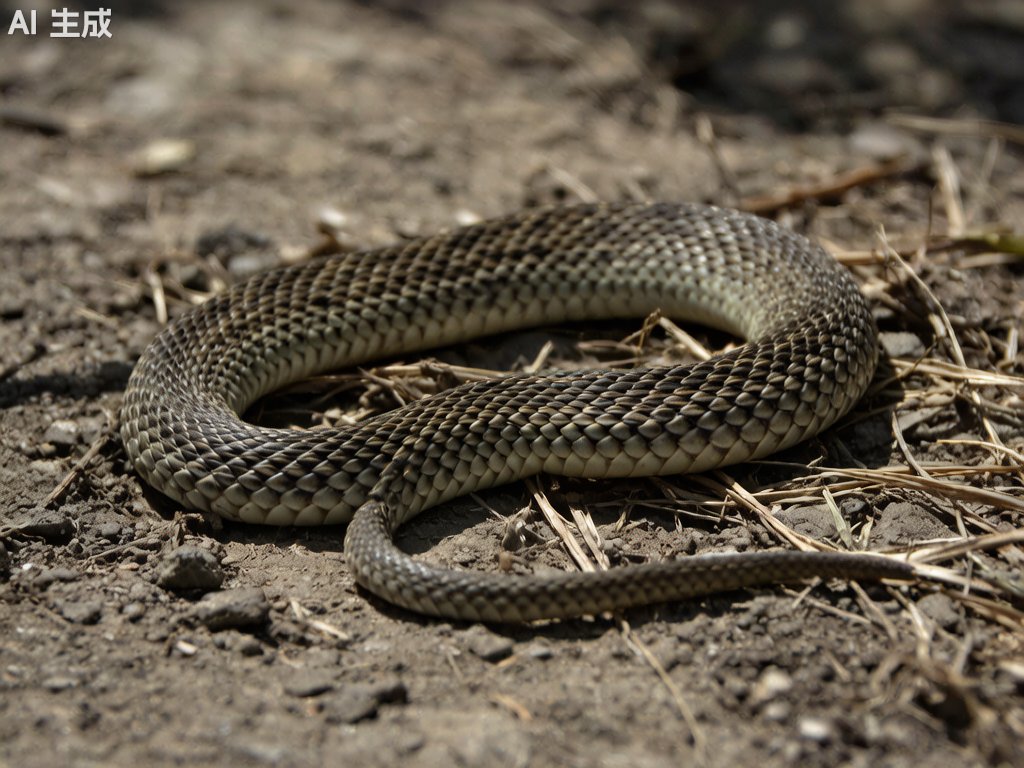
Introduction
The Adder, scientifically known as Vipera aspera, is the only venomous snake native to the British Isles and is found throughout much of Europe and Asia. This medium-sized viper is easily recognised by its zigzag pattern along the back and triangular head. Despite its venomous bite, the Adder is generally shy and non-aggressive, preferring to flee rather than confront threats. It plays an important role in controlling rodent populations and is protected by law in many countries due to habitat loss and persecution.
Taxonomy
The Adder belongs to the family Viperidae, which includes vipers and pit vipers. Molecular studies have identified several subspecies across its range, from Ireland to Japan. The species was first described by Carl Linnaeus in 1758. Genetic analysis shows that Vipera species diverged from other vipers approximately 10 million years ago. The Adder is closely related to other European vipers, with which it shares similar habitats and ecological requirements.
Physical Characteristics
Adders measure 60–80 cm in length, with females typically larger than males. They have a robust body, triangular head, and vertical pupils characteristic of vipers. The coloration varies from gray to reddish-brown, with a distinctive black zigzag stripe running along the back. Males often have a more contrasted pattern than females. Their venom glands are located behind the eyes, connected to hollow fangs that can fold back when not in use. Adders are ovoviviparous, giving birth to live young rather than laying eggs.
Habitat
The Adder inhabits heathlands, moorlands, and open woodlands with good cover. They prefer well-drained soils and sunny slopes where they can bask to regulate body temperature. In the British Isles, they are found in Scotland, Wales, and parts of England, favoring areas with rough vegetation and rock piles. Adders are absent from dense forests and agricultural lands, preferring transitional habitats that provide both basking sites and cover from predators. They can be found at elevations up to 1,000 meters in mountainous regions.
Diet
Adders are ambush predators, feeding primarily on small mammals such as voles, mice, and young shrews. They also consume lizards, frogs, and bird chicks when available. The snake strikes quickly, injecting venom that paralyses prey, then swallows it whole. Adders can survive for months without food, relying on stored energy reserves. Their venom contains hemotoxins that disrupt blood clotting and cause tissue damage, making it effective against warm-blooded prey. Humans are rarely bitten, and fatalities are extremely rare with modern medical treatment.
Reproduction
Adders breed in spring, with males arriving at hibernation sites first and competing for females through ritualised combat. Males raise their bodies and grapple with each other, attempting to pin their opponent. Mating occurs in April and May, with females giving birth to 5–15 live young in August or September. Newborns are 13–18 cm long and independent from birth. They reach sexual maturity at 3–4 years, with females living longer than males.
Conservation
Adder populations have declined significantly due to habitat loss, road mortality, and persecution by people fearful of venomous snakes. In the UK, they are protected under the Wildlife and Countryside Act 1981, making it illegal to kill, injure, or disturb them. Conservation efforts focus on habitat management, including heathland restoration and the creation of snake crossings on roads. Public education programs aim to reduce fear and persecution while raising awareness about the ecological importance of this species.
Fun Facts
Adders can live for over 20 years in the wild, making them one of the longest-lived snakes in Europe. They have a third eye, called the parietal eye, located on top of their head that detects light changes and helps regulate circadian rhythms. Adders can strike at speeds up to 2 meters per second, making them one of the fastest-striking snakes in Europe. Their venom is more toxic to warm-blooded prey than to humans, which explains why bites are rarely fatal.