 By Iris
The Kingdom of Sicily | Three Cultures on One Island
Historical Profile · Mediterranean
The Kingdom of Sicily | Three Cultures on One Island
One island held three faiths, three languages and a single crown, and its court wrote to Cairo in Arabic while its churches sang in Greek.
AD 1130-1282
Founded
Faiths
Capital
Shock
End
The big picture
Introduction
Sicily sits at the centre of the old world, and for two centuries it was ruled as one. One Norman knight took the island from Arab emirs. His son had himself crowned king in 1130. Court life then ran in Greek, Arabic, Latin and French.
Palermo held a mosque, a synagogue and a cathedral inside one ring of walls. Kings here taxed shipping rather than land. Three continents paid, and the money built churches. It ended in 1282 with a riot and a massacre.
Six centuries of separate rule followed. No island state stood at that centre again. Geography gave it wealth, and wealth attracted fleets. Rich islands between rival powers need a navy more than a wall, yet navies cost money.
Setting
Historical Context
Greeks founded colonies on these coasts long before Rome. Classical Greece gave the island a temple plan that masons still copied in the twelfth century. Then came Carthage, then Rome, then Byzantium, then Arab governors from Kairouan. By 1000 the cities were Muslim and the hills were mixed. Latin Christians held a few mountain strongholds, though the pope counted them as a frontier worth funding.
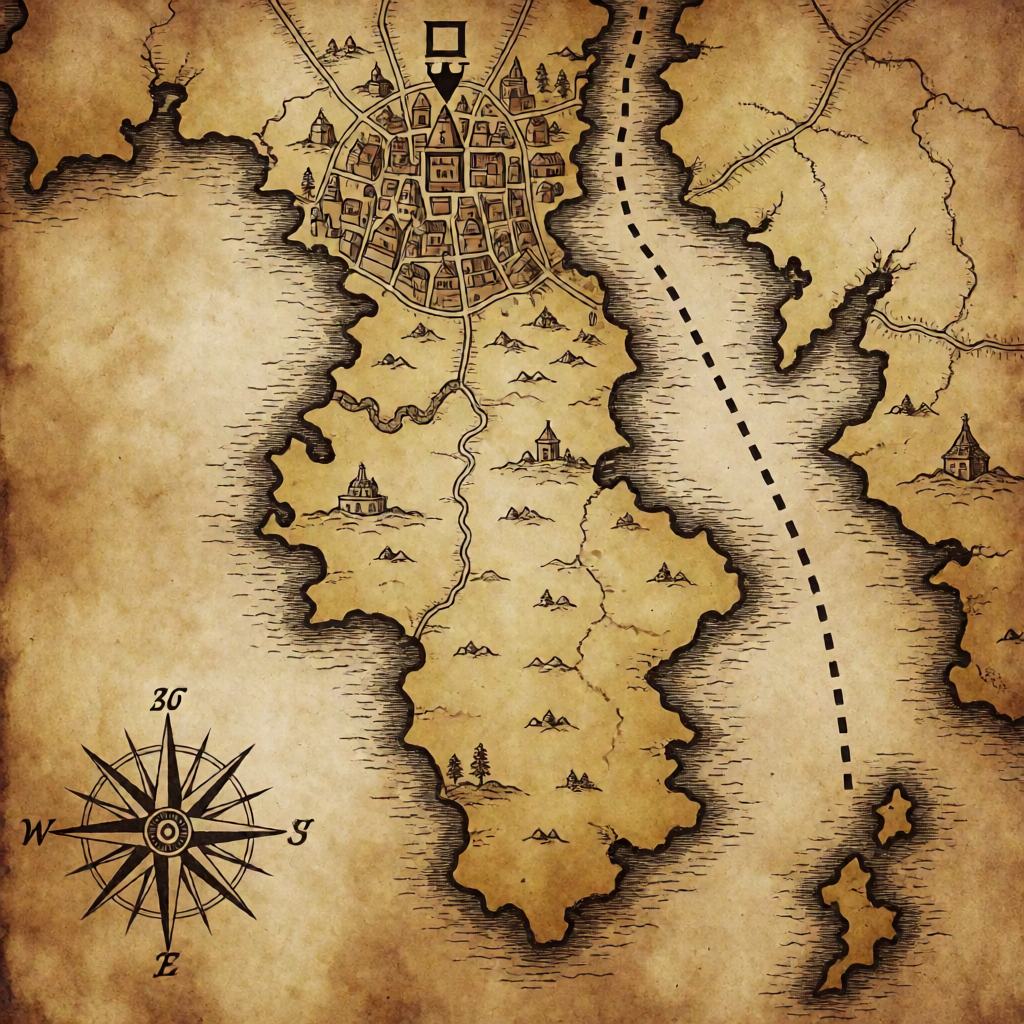
Harbours here were the best on the crossing. Whoever held them could starve or supply half the inland sea. A governor in Palermo could stop a grain fleet bound for Tunis. That power made the island a target, and every fleet in the sea came for it in turn. Conquest was therefore normal, while long peace was the exception.
Each ruler kept the tax rolls of the one before, because the rolls were worth more than the rhetoric. Rule changed hands five times in five hundred years. Each new master kept the offices, the mint and the registers. Only the names on the coins changed, and even those were often left alone.
Turning points
Key Events
Norman knights came as paid troops in 1061 and stayed as conquerors. Roger I took Palermo in 1072 and spent thirty years finishing the job. His son Roger II was crowned in 1130. He then spent a decade fighting a coalition of popes and emperors. He won, so the crown stayed in his family. Court policy turned outward instead.
An admiral from Antioch took ports in Tunisia and raided the Nile delta. Frederick II inherited the crown in 1198 and ruled it from Germany, since his other lands lay there. He issued a law code at Melfi in 1231. Muslim guards held Lucera for him, and the post lasted until 1300. In 1266 a French prince seized the island and moved the capital to Naples. On Easter Monday 1282 a French soldier insulted a woman at vespers in Palermo.
Palermo rose, and the rising spread across the island within a month. French officials were killed wherever they could be found, since no one defended them. Aragon took the crown two years later, but the war dragged on for a century. What began as a riot ended as a change of dynasty, and the islanders gained little from it, though they kept their parliament.
1
2
3
Who held power
People and Powers
Royal power was personal and mobile. Kings travelled with their court and governed through clerks. Those clerks wrote in Greek or Arabic, whichever suited the district. A Norman baronage held fiefs, though its weight was smaller than in France. Church lands were rich and split between Latin and Greek rites.
Muslims paid a land tax and kept their own courts. Jews lived in Palermo and traded with Egypt. Frederick II wrote verse in Italian and read scholars in Cairo. His own clerks called him a wonder of the world. His enemies called him a heretic.
Castle building and land law came from the same stock as the Norman Conquest. Both took root quickly, since the island had few great families of its own. Kings who spoke four languages could tax four groups, and that was the point. Even so, the barons kept their own courts, and the crown had to ask before it took.
Everyday world
Daily Life and Society
Grain grew on great estates, and most islanders worked them, while the profit went to a few owners in Palermo. Harvests fed Palermo and filled ships for Genoa and the north. Houses were of stone with flat roofs. Water came from cisterns, since rivers are few. Bread, oil and wine set the diet, and salt came from the shore as well.
Sugar from the gardens sold abroad at a high price. Towns had separate quarters, and each kept its own oven, bath and court. Women in the Greek and Arab districts held property in their own names. Officials found that handy at tax time. Household service drew people from the Black Sea and from Africa.
Famine was rare, and that alone drew settlers. Bad years in Tunisia could empty a village here, but good years filled it again. Bread prices were fixed by the court, and a fixed price kept the peace. Most people never saw the king, though they paid for his fleet.
Craft and ideas
Trade, Technology and Ideas
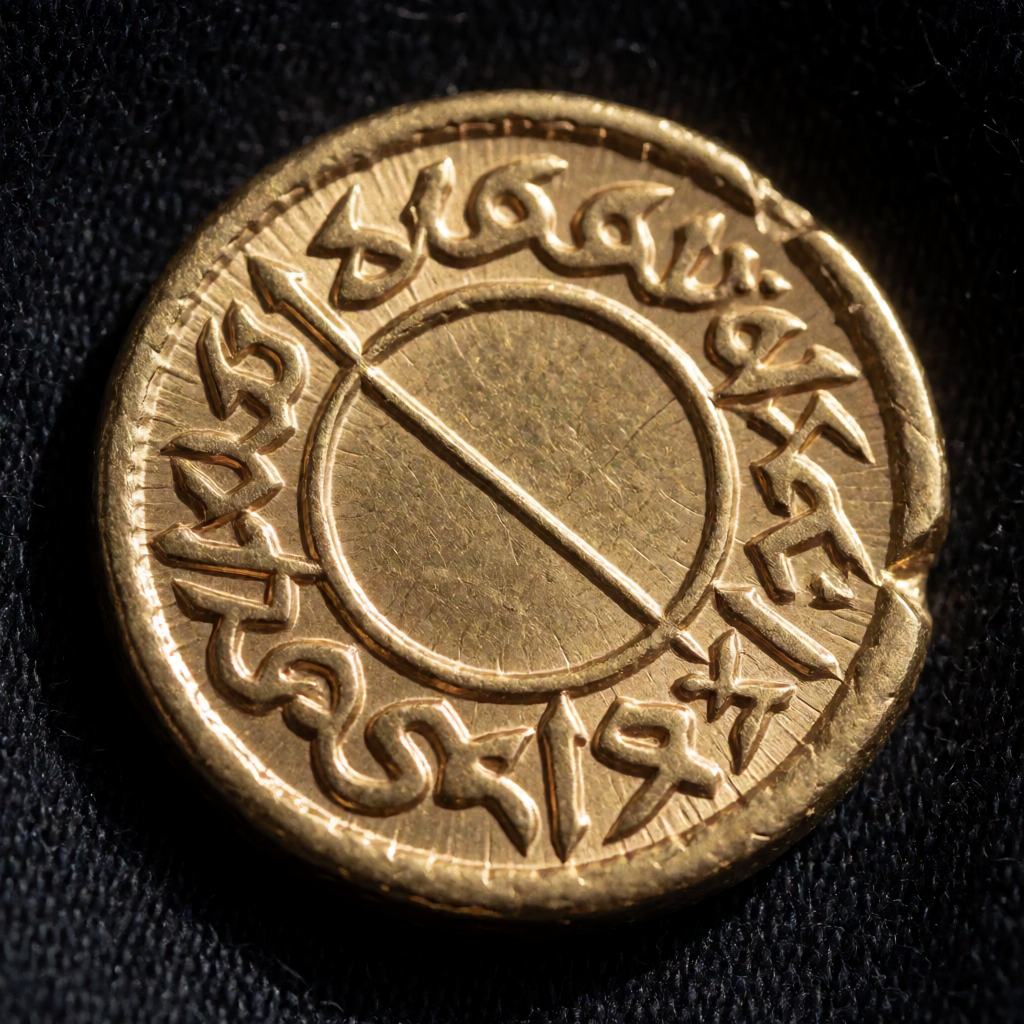
Sicily lay on the route between the Levant and the west. Kings here sold safe passage, and they sold it dear. Palermo minted gold a century before most of Europe did. Royal clerks kept a register of ships, cargoes and dues. That register paid for the fleet.
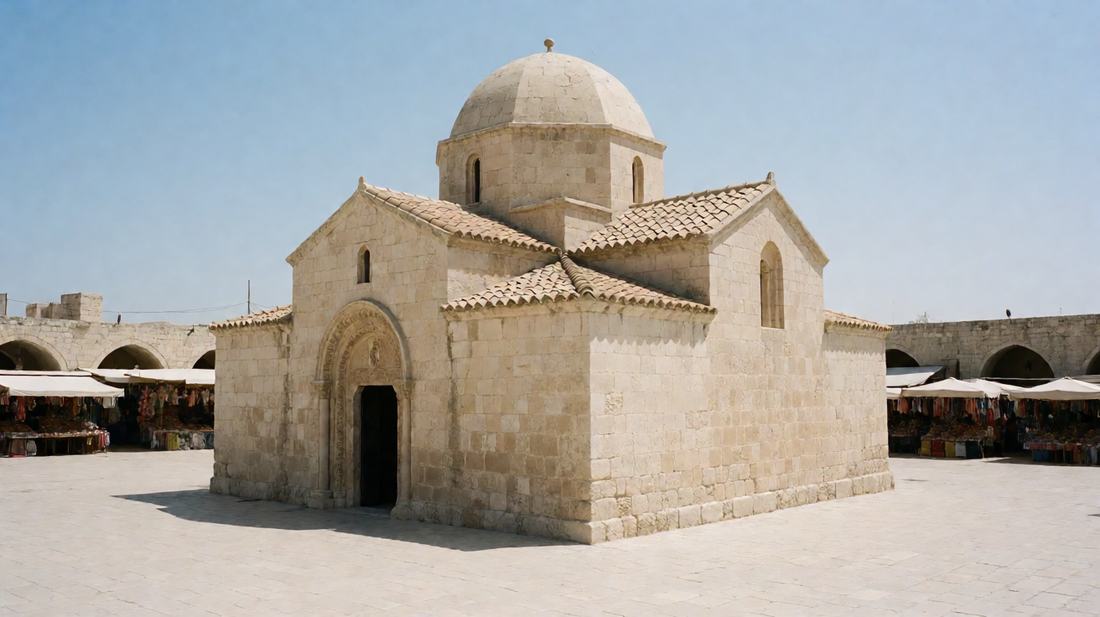
Paper came through Arab workshops, and so did the astrolabe. Translating was the real work. Scholars in Palermo turned Arabic texts on medicine and geography into Latin. Building carried the mixture further than words could. Martorana church has a Greek plan, Arab arches and a Norman mosaic.
Number work and star tables reached Europe through this channel. An island province thus changed how the continent counted. A water clock sent to a German emperor amazed his court. Few of these gifts were invented here, and that is the point. This was a workshop where three traditions were joined, and the joins still show.
What lasted
Legacy
Vespers did not create a nation. It replaced one foreign king with another. Aragon held the crown from 1302 for centuries. Sicily kept a parliament, one of the oldest in Europe. Law outlived the dynasty, and the code of Melfi shaped practice in Naples for three hundred years, though the island was ruled from elsewhere.
Arab-Norman churches in Palermo now draw visitors from every continent. Sicily also left a warning, and it is still worth reading. A rich island between rival powers can be held only with a fleet. Fleets cost more than grain, and grain was all the island had to sell. Three languages on a coin were a boast in 1150.
They became a problem once the crown moved away. Modern Sicily still carries the layers, in its food, its names and its streets. A visitor can hear them in a single market, and that is the best summary of the kingdom.
Side by side
How It Compares
| Point | Norman kingdom | Angevin kingdom |
|---|---|---|
| Dates | AD 1130-1194 | AD 1266-1282 |
| Seat | Palermo | Naples |
| Court tongue | Greek, Arabic and Latin | French and Latin |
| Army | Greek and Arab troops | French knights and papal money |
| Money | Grain, silk and sea trade | Papal loans and salt dues |
| End | German takeover, 1194 | The rising of 1282 |
Common misreadings
What People Get Wrong
- The kingdom is often called a Norman state. Its offices were Greek and Arab, and its kings wrote to Cairo in Arabic.
- Frederick the Second is usually placed in Germany. He spent most of his life on the island and left Germany to its princes.
- The rising of 1282 is often called a national revolt. It began as a riot at a church door and became a war of succession.
Going further
Sources and Further Reading
- Wikipedia, Kingdom of Sicily
- Encyclopaedia Britannica, Sicily. Encyclopaedia Britannica, Inc.
- Norwich, J.J. 1970. The Kingdom in the Sun. Longman.
- Abulafia, D. 1988. Frederick II: A Medieval Emperor. Oxford University Press.
Quick hits
Five Things to Remember
- Roger II took the crown of Sicily in 1130.
- Four languages were used at the court in Palermo.
- Melfi’s code dates from 1231.
- Rising began at vespers on Easter Monday 1282.
- Aragon held the island from 1302 until the fifteenth century.