 By Iris
The Goryeo Dynasty | Korea’s Age of Printing
Historical Profile · Korea
The Goryeo Dynasty | Korea’s Age of Printing
A dynasty that gave Korea its name abroad, printed a canon on 81,000 wooden blocks and cast metal type 100 years before Europe.
AD 918-1392
Founded
Capital
Canon
Type
End
The big picture
Introduction
Goryeo gave its name to Korea in every European language, and the state lasted 474 years. Wang Geon founded it in 918, and he unified the peninsula by 936. Its capital stood at Kaesong. Kaesong sits north of the modern border.
Buddhism was the state faith. Court funds paid for its temples. Printing reached a height here that no contemporary state matched, though China had invented it. Buddhist texts were carved on 80,000 wooden blocks, and they still exist.
Metal type came in 1377, and a book printed with it survives. Celadon from these kilns is the finest in the world, and collectors still say so. Mongol armies came in 1231, and they came six times, since a vassal could still revolt. It ended in 1392, and a general took the throne.
Setting
Historical Context
Peninsular states had split in the 9th century, and in turn local lords did as they pleased. Wang Geon was a general from a northern house, and his base lay near the coast, which gave him the sea road. He took the last of the old kingdoms in 936, and he married into their families, so that no house could call itself conquered. That marriage policy kept the noble houses inside the court. Examinations began in 958, and indeed they recruited clerks by test. That was a Chinese model.
Court policy adopted it deliberately. Buddhism held the higher place, and a monk could advise a king. Temples held land, and a temple could hold slaves, since a gift to a shrine was never taxed. Registers of households were kept. Assessment came from the register. Noble families held their land by office, and office passed through the exam.
Noble families could place sons in the capital, and they could hold a province. Local strongmen kept private troops. Crown troops could not always stop them. A military revolt in 1170 put generals in charge for a century, and thus the court lost its balance. That century is the reason the dynasty is remembered as a civilian state that lost control of its own army for 100 years. Registers were revised every three years, and they were the basis of everything.
Turning points
Key Events
First century was quiet. Temple building and schools came with it. Khitan invasion came in 993, and the court bought it off with diplomacy. Printing of the first canon began in 1011, and it took 20 years. Mongol envoys came in 1225, and one of them died on the road home. That death brought an invasion in 1231, and thus the court fled to an island.
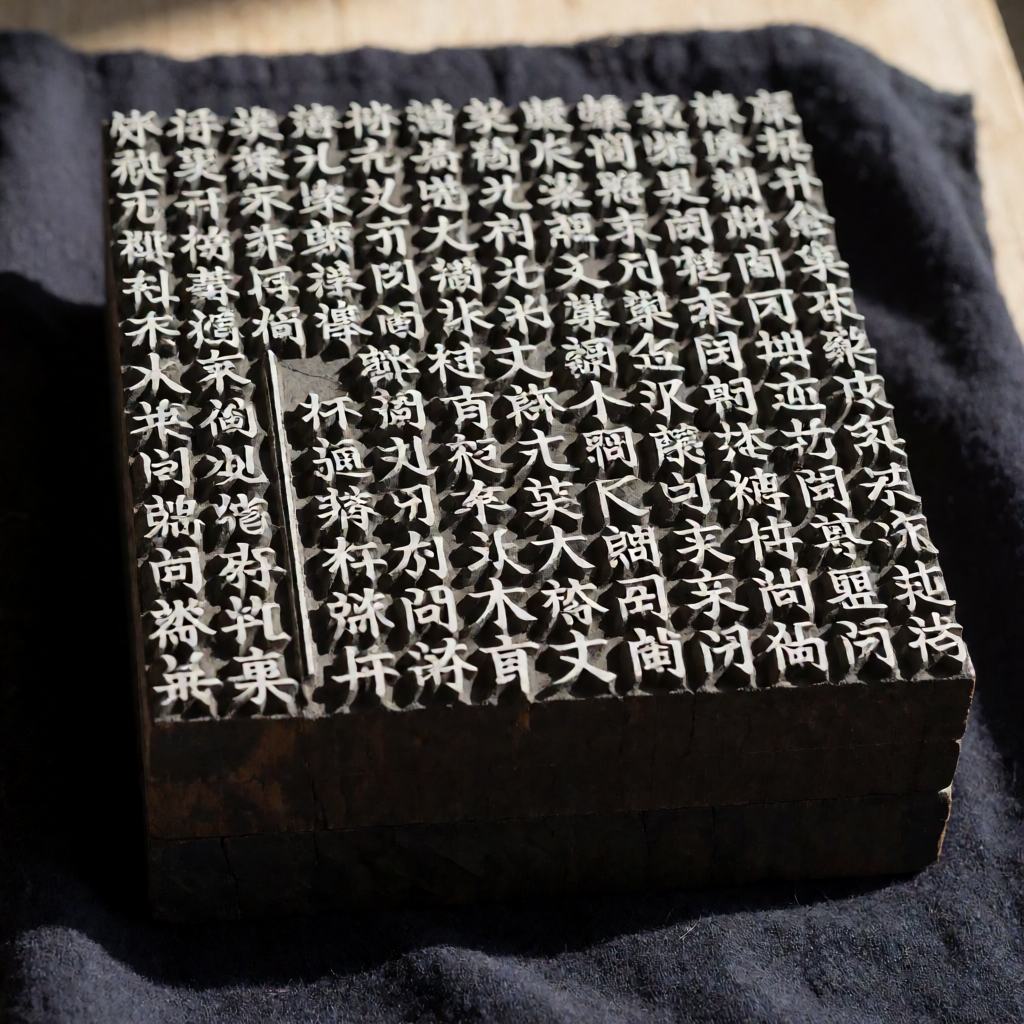
Court held out for 28 years, and it held out from a fortress in the sea. Its second canon was carved between 1236 and 1251, and it asked for help from the Buddha. Every block was cut twice. A mistake meant carving again. That set holds 81,000 blocks, and it is kept at a mountain temple. Treaty in 1259 made the state a vassal, and a prince married into the Mongol house.
Metal type was cast in 1377, and a Buddhist text was printed with it. That book is the oldest surviving example of its kind, and it was printed in a temple. Its state weakened as the Mongols weakened, and indeed pirates took the coast. General Yi turned his army around in 1392, and the dynasty ended. Courts kept a printing office, and a staff of carvers.
1
2
3
Who held power
People and Powers
Kings sat at the top, and the great houses filled the offices. Councils of nobles could veto a royal order, and indeed they often did. Exams supplied clerks, and a clerk could rise to a ministry. Military men held a lower rank, and that rank in turn bred resentment. Monks could hold more influence than a minister, and the court knew it.
Provincial lords kept their own retainers, and they in effect collected the tax first. Slaves worked temple land. Tax lists counted them. Women could inherit property. A widow could hold an estate.
Daughters could receive a share, and the share could pass to her children. That rule faded by 1400, and the change is visible in the deeds that survive from the next century. Weak kings lost the provinces, and strong ones recovered them, though the trend ran one way.
Everyday world
Daily Life and Society
Most people farmed a field that belonged to a lord or a temple. Tenants paid a share, and the share was set by custom. Water came from a channel, and in turn the channel was kept by the village. Houses had a heated floor, and the floor ran under the whole room. Paper was made from bark, and indeed a book was cheap enough to own. Schools trained boys for the exam, and a village might pay for one.
Diet was plain. A bad year brought hunger. Ceramics served the table. A celadon bowl was a luxury. Markets met every few days. Goods came by boat.
Life was short, and records are thin, since paper rots in a damp room. What survives is paper, and paper survives in a dry room. Families slept on the heated floor, and the room stayed warm all night. Temples kept the archive, and a temple kept the school.
Craft and ideas
Trade, Technology and Ideas
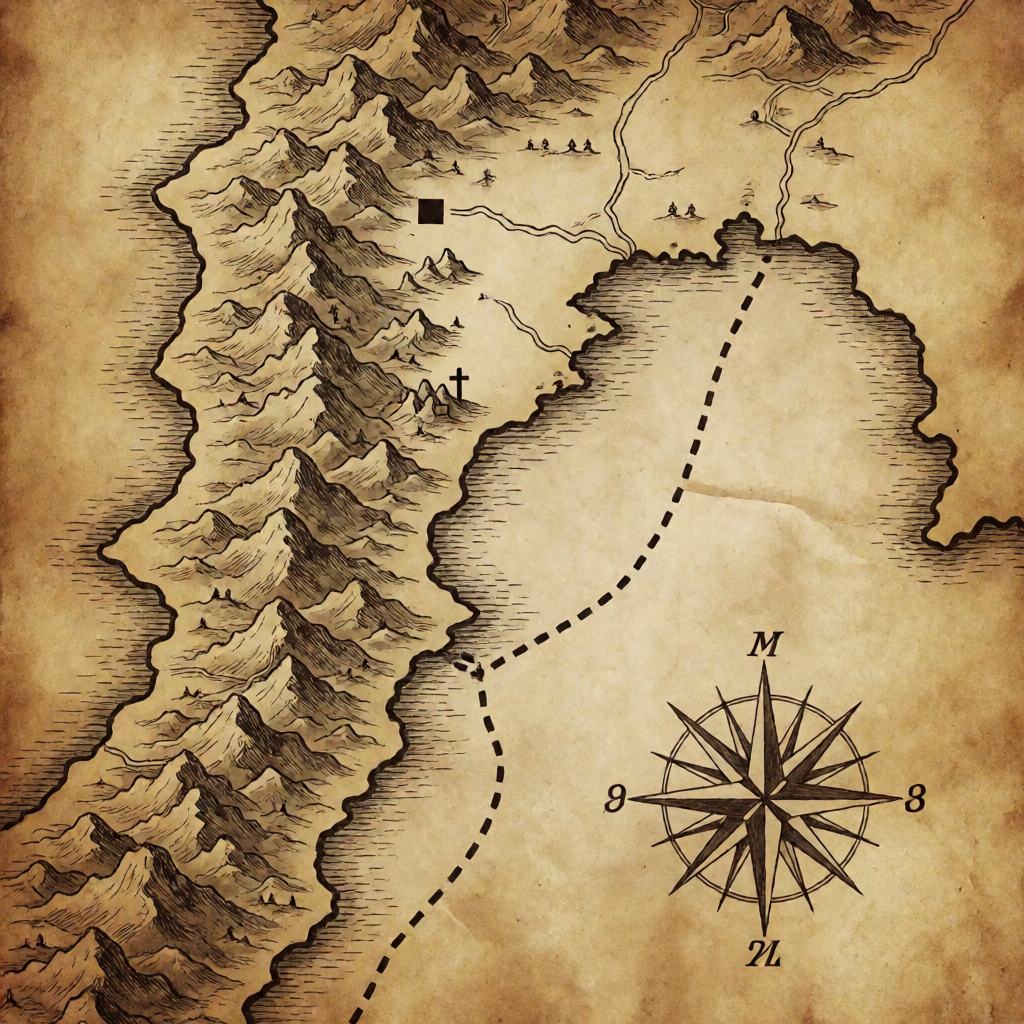
Goryeo sat at the end of a sea road. Its ships went to China and Japan. Paper and printing were the great exports of technique, and in turn the technique travelled. The Silk Road ended far to the west, and the sea route carried the same goods. Celadon was made with a glaze that few kilns could match, and the secret was guarded.
Kilns needed a hillside. They also needed clay. Metal type was cast in bronze. Mould making was the hard part. A printed page needs paper, ink and a press, and the press was simple.
Canon of 1251 was a project of the whole state, and indeed it took 15 years. Blocks can be reprinted for centuries, and a block lasts if it is kept dry. The Grand Canal moved grain in China, and it moved the same kind of clerk. Medicine drew on Chinese texts, and the court printed them, since a printed book served an army of doctors. Ideas came with the books, and thus a Chinese exam reached a Korean court.
What lasted
Legacy
Blocks survived a fire, a war and a move, and indeed they are still at Haeinsa. One book printed in 1377 survives, and it is the oldest of its kind. Celadon set a standard that later kilns could not match, and in turn they stopped trying. Exams outlived the dynasty.
They shaped a class. Goryeo gave the country its name abroad, and the name stuck, though the state is gone. Mongol rule taught the court a lesson about vassalage, and the next dynasty took it. Its printing was a state project.
Its type was an experiment. Two things, and one lesson. Techniques are remembered when a book survives, and a book survives when a room stays dry. Tourists now visit the archive, and the blocks are kept in a controlled store.
Side by side
How It Compares
| Point | Goryeo | Joseon |
|---|---|---|
| Dates | AD 918-1392 | AD 1392-1910 |
| Capital | Kaesong | Hanseong, later Seoul |
| Faith | Buddhism, backed by the crown | Confucian learning, Buddhism pushed aside |
| Officers | Nobles by exam and by birth | Nobles by exam, with a stricter line |
| Printing | Wood blocks and metal type | Metal type, used widely |
| End | A general took the throne in 1392 | Annexed by Japan in 1910 |
Common misreadings
What People Get Wrong
- Goryeo is often called a Buddhist state with no law. It kept registers, courts and a tax office, and its clerks were examined like any Chinese clerk.
- The canon is usually described as a single act of faith. It was carved twice, and the second set was commissioned while the court was in exile.
- Metal type is often credited to Europe first. A Korean book was printed with cast metal in 1377, and it survives.
Going further
Sources and Further Reading
- Wikipedia, Goryeo
- Encyclopaedia Britannica, Koryo dynasty. Encyclopaedia Britannica, Inc.
- Lee, K.B. 1984. A New History of Korea. Harvard University Press.
- Seth, M.J. 2010. A History of Korea. Rowman and Littlefield.
Quick hits
Five Things to Remember
- Wang Geon founded the dynasty in 918 and unified Korea by 936.
- A civil service examination began in 958.
- The second Buddhist canon was carved between 1236 and 1251.
- Metal type was used to print a book in 1377.
- The dynasty ended in 1392.