 By Iris
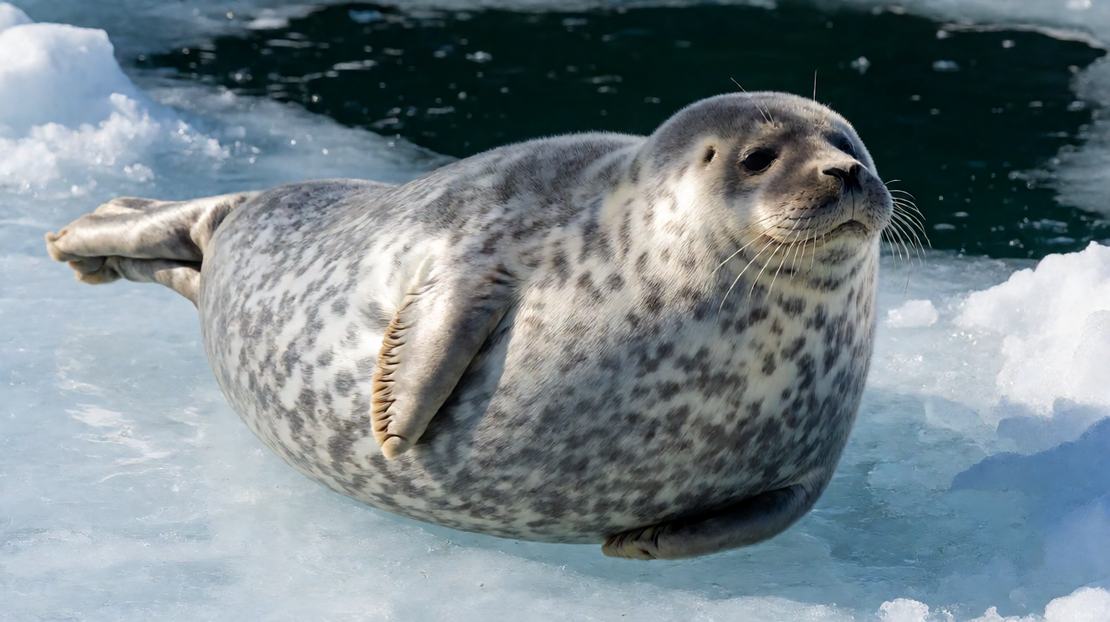
Pusa sibirica | Baikal Seal
Species Profile · Phocidae
Baikal Seal
The only seal that spends its whole life in fresh water.
Least Concern
Length
Weight
Dive
Pup weight
Range
Rating
One lake, one hundred thousand seals
A seal under a metre of ice
Ice covers Lake Baikal for half the year, and this seal lives under it. No other seal spends its whole life in fresh water, and none lives so far from any sea. Adults run about 1.3 m long, which makes the species the smallest true seal. Weight reaches 130 kg before winter.
A layer of fat carries the animal through the cold months. Front claws keep breathing holes open through the ice. Winter ice may grow a metre thick, yet the seal still finds air. Summer brings open water and a chance to feed hard.
Herds haul out on rocks in the north of the lake. Such a crowd is loud, and the sound carries across the water.
Family tree
Phocidae, the earless seals
Pusa sibirica sits in Phocidae, the family of earless seals. Gmelin named the animal in 1788 from a Siberian specimen. Old texts use Phoca sibirica, and both names still appear. The genus holds three species, and all three live in cold water.
The Ringed Seal swims the Arctic seas, while this one never leaves the lake. Both carry ring marks, and both keep holes open in the ice. Their homes differ, though, since one needs salt water and the other cannot leave fresh water. Genetic work puts the Baikal form close to the Caspian seal.
Ancestors likely reached the lake through old river links during a cold age. The move to fresh water happened long ago, and the body has changed since then in size, in fur and in the shape of the skull.
A ringed seal cousin
How to tell one
Body length runs 1.1 to 1.4 m. Males grow slightly larger than females. Fur is silver grey, with dark mottling on the back, though the belly stays pale. Pups are born with white wool that lasts a few weeks.
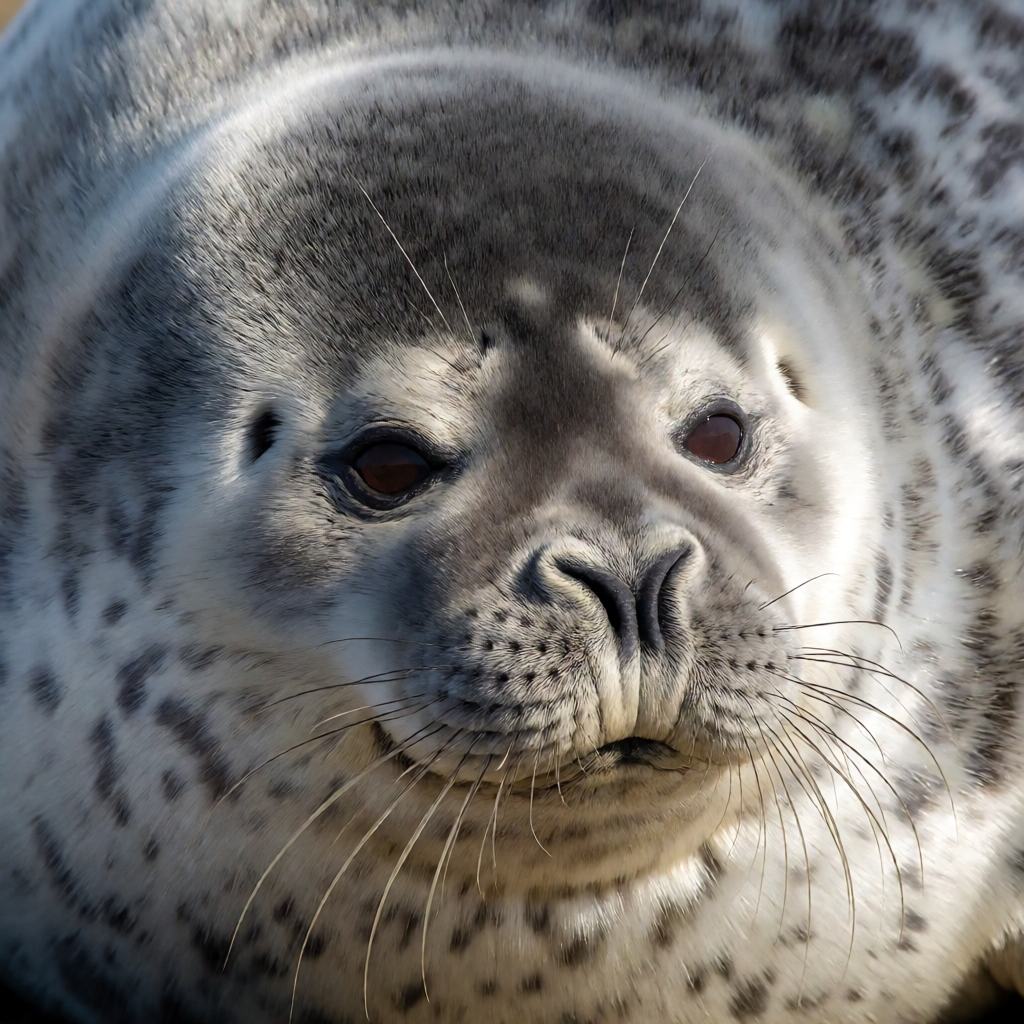
Front flippers carry strong claws. Hind flippers drive the body through water. Whiskers pick up movement in dim light. Eyes are large, since light fades fast under a metre of ice.
Ears show as small flaps, and no outer ear exists. A thick fat layer holds heat, so the animal stays warm in water near freezing.
1
2
3
Fat, claws and large eyes
Where it lives
Lake Baikal holds the whole species. The lake is the deepest and oldest in the world. Water stays near freezing below the surface layer. Ice forms from January and lasts into May.
Open water appears in the south first, and the seals follow the edge north as the ice breaks up. Shallow bays matter in spring, since pups are born on the ice there. Rocks in the north give haul out sites in summer. No other lake holds a seal, and none has been moved with success.
Rivers flowing into the lake carry pollution from towns and mills. A warming climate shortens the ice season, which matters most for pups.
The deepest lake on earth
What it eats
Fish form nearly the whole diet. Golomyanka makes up the largest share, since it is an oily fish that lives in the deep water of the lake. Omul and other white fish fill out the list. Hunting happens at night in open water.
A dive may reach 300 m and last 45 minutes. Prey is caught by sight and by feel. Small fish are eaten under water, and large ones are brought up. Winter feeding slows, since ice blocks the surface.
Fat gained in summer carries the animal through that lean season. Predators take few adults, so food supply decides the numbers.
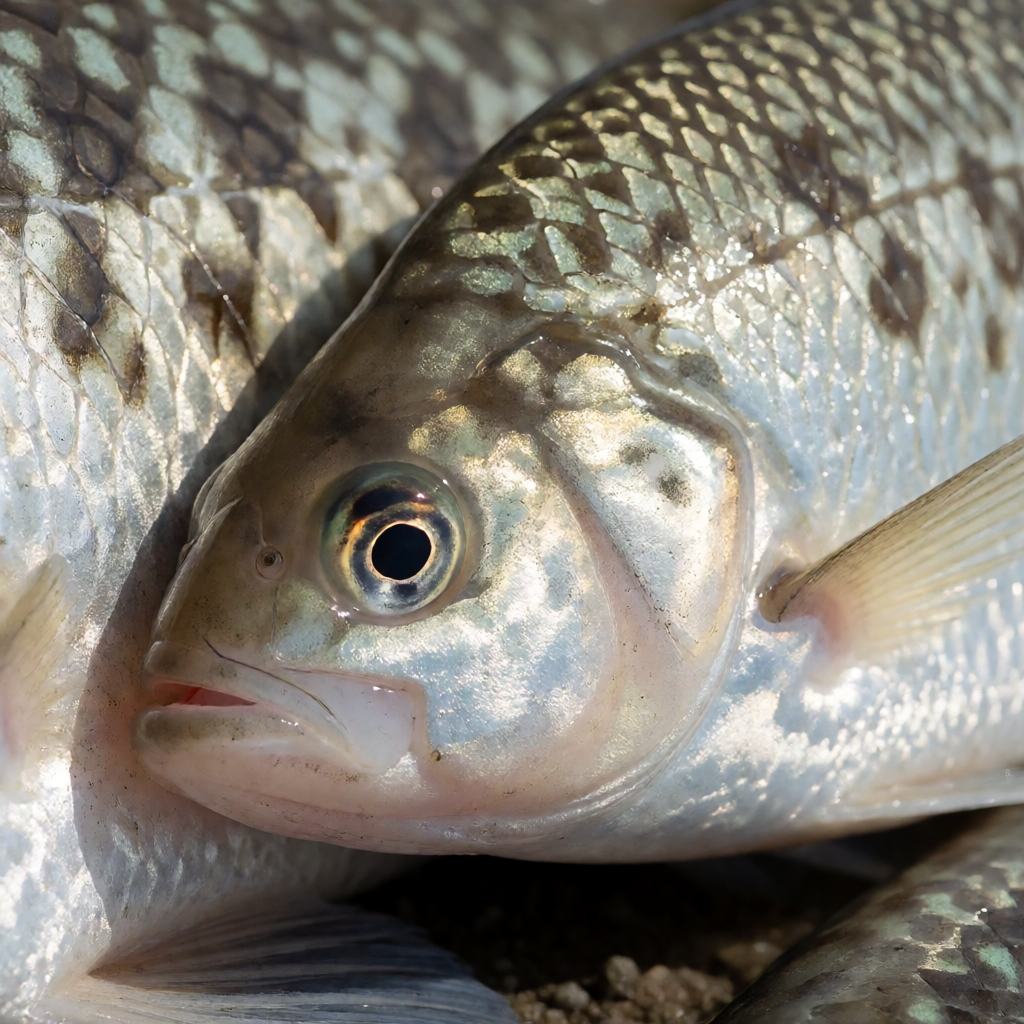
Oily fish from deep water
The breeding cycle
Breeding happens on the ice from February to March. Females gather in small groups and give birth in snow caves. A single pup is usual, and twins are rare. The pup weighs 3 to 4 kg at birth.
White wool keeps the pup warm on the ice. Nursing lasts about two months. The mother breaks the ice with her front claws, so a hole stays open for the pup above. Young enter the water at a few weeks and learn to dive.
Females breed at four to seven years. A female may raise one pup a year, and many skip a season.
Least Concern, and one lake only
Conservation
IUCN lists the seal as Least Concern. Numbers sit near 100,000, and the lake holds the whole species, though the count varies by year. Hunting is limited, although a quota still caps the yearly catch. Pollution is the main worry, since mill waste reaches the lake.
Warm winters cut the ice, and pups born on thin ice may not survive. Net fishing drowns a few animals each year. The species has no second home, so one disaster could hit the whole stock. Parks around the lake give some protection.
Monitoring is easy, because the animals gather in open water in spring. A single lake holds everything for the species, and that fact is both its strength and its greatest risk.
Side by side
How It Compares
| Trait | Baikal Seal | Ringed Seal |
|---|---|---|
| Length | 1.1 to 1.4 m | 1.1 to 1.6 m, and larger in the north |
| Weight | up to 130 kg before winter | 50 to 70 kg, and heavier in autumn |
| Home | Lake Baikal, and no other water | Arctic seas around the pole |
| Coat | silver grey with fine dark mottling | grey with pale rings on the back |
| Food | golomyanka and omul from deep water | fish and small crustaceans under the ice |
| Young | one pup on the ice, with white wool | one pup in a snow lair, with white wool |
Common misreadings
What People Get Wrong
- Many people assume the seal swims down rivers to the sea, yet the lake holds the whole species.
- Some accounts call the animal a sea lion, although it is an earless seal with no outer ear.
- A common tale says the pups swim at birth, yet they spend weeks on the ice.
Going further
Sources and Further Reading
Quick hits
Five things to remember
- This is the only seal that lives only in fresh water.
- Adults reach about 1.3 m.
- Front claws keep ice holes open.
- Pups are born with white wool.
- Numbers sit near 100,000.