 By Iris
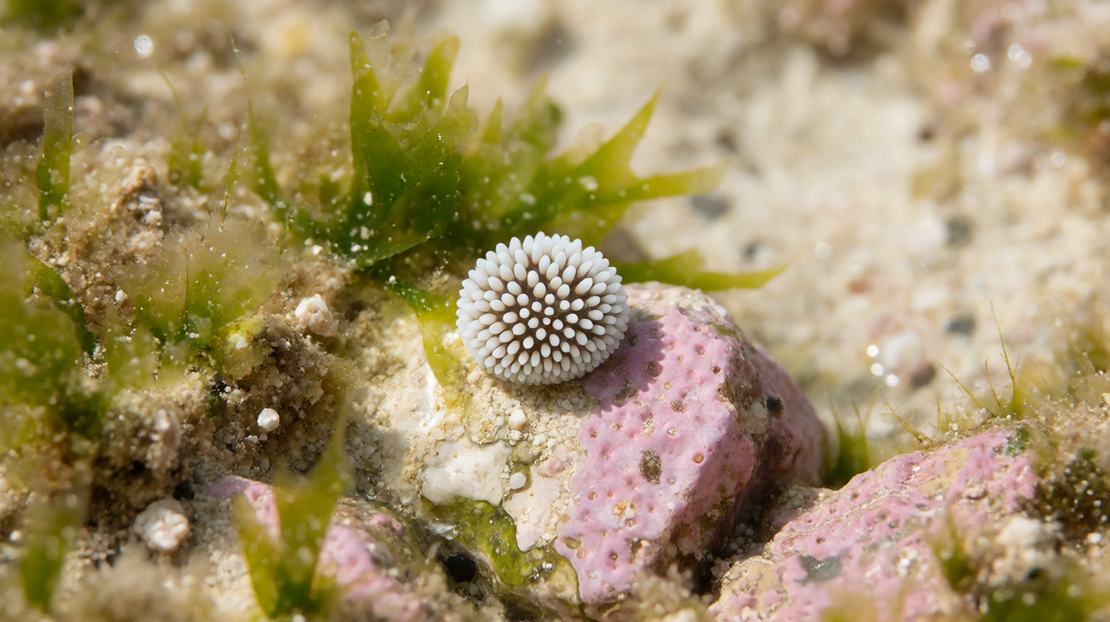
Jorunna parva | Sea Bunny
Species Profile · Discodorididae
Sea Bunny
A small white sea slug whose black tipped stalks look like a pair of rabbit ears.
Not Evaluated
Length
Body
Ears
Range
Food
Rating
Two centimetres of white fuzz
A slug that looks like a rabbit
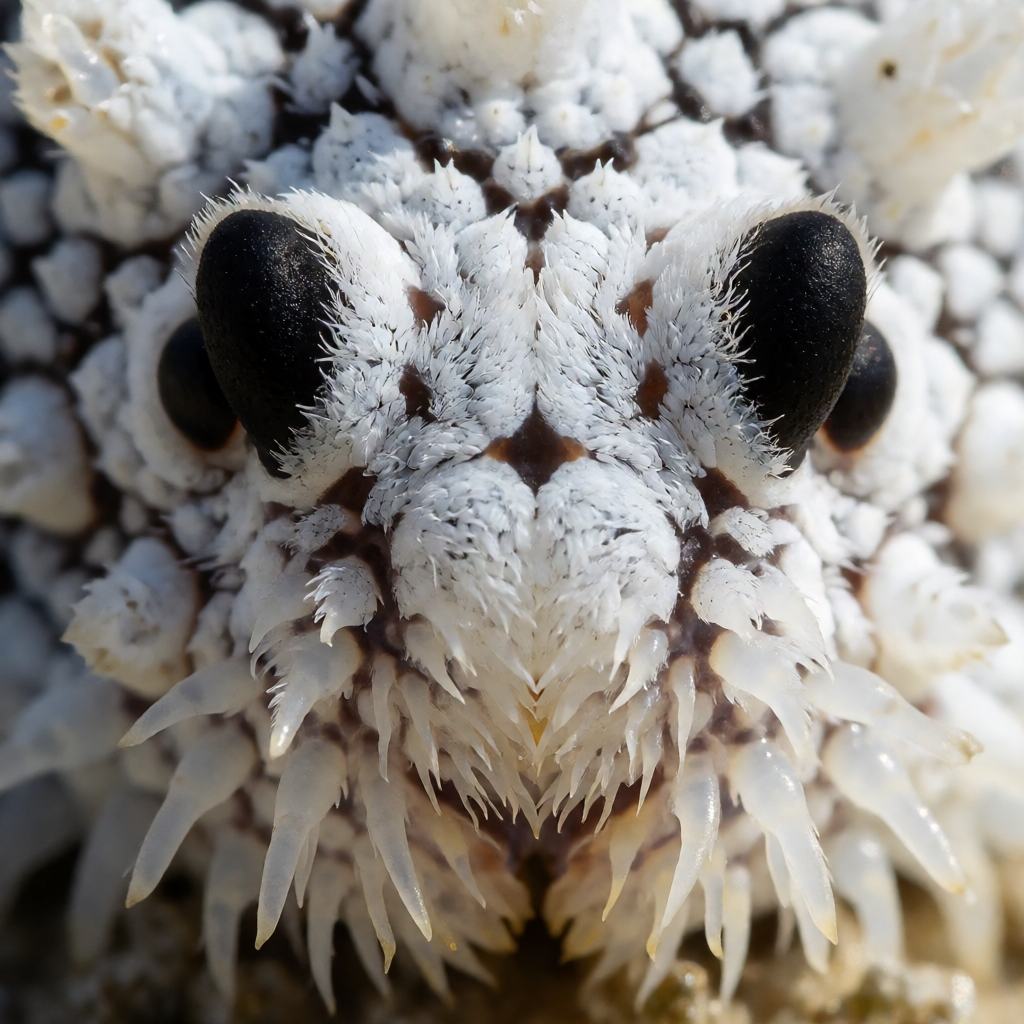
Sea bunnies look soft, and the softness comes from tiny bumps. White skin carries black dots, and two black stalks rise from the head. Those stalks look like ears, so the name followed. The body stays small.
Most adults measure 1 cm to 2 cm. This is a sea slug, and it carries no shell. The animal lives in warm shallow water from Japan to northern Australia. Pictures went viral in 2015, although workers had known the species for decades.
Nothing on the animal is truly furry, since the coat is a dense field of small flesh bumps that cover the back and the sides. Each bump ends in a spicule, and the surface feels like velvet.
Family tree
Discodorididae, the dorid nudibranchs
Jorunna parva is the scientific name, and the genus sits in Discodorididae. Kikutaro Baba described the species in 1938 from Japanese material. Yet later workers moved it into Jorunna, where it has stayed.
Its nearest relative on this site is the Frond Nudibranch, another shell-less slug of northern seas. Both animals are hermaphrodites, and neither carries a shell. Yet the two breathe in different ways, since one uses skin gills and the other plumes.
Gene work, however, supports the family and the genus. The common name came from the web rather than from a book, and no formal rule governs it. No subspecies is known today.
Discodorididae, the dorids
How to tell one
Length runs from 1 cm to 2.5 cm, and a few large adults reach 3 cm. Its back stays white, and black dots sit across it. Dot size varies by animal. Two rhinophores stand on the head, and each one carries dark plates that fold inward.
A plume of gills circles the anus, and the crown can withdraw. Thousands of small bumps cover the mantle, and each bump holds a spicule that stiffens the skin and gives the animal its fuzzy outline. No shell protects the body, and the mantle covers the foot. A muscular foot glides on a film of mucus.
Colour never turns bright. Sensory cells line the rhinophore plates, and they read scent trails in the water. When disturbed, the animal contracts and the bumps flatten.
1
2
3
Fuzz, dots and two ears
Where it lives
Warm shallow water holds the species across the western Pacific. Its range runs from central Japan south through the Philippines and Indonesia to northern Australia. Records also come from Korea, the Maldives and South Africa.
Depth stays shallow. Most sightings come between 1 m and 15 m. Reef flats, weed beds and rubble all hold animals, since each one can carry the right sponge.
The slug follows its food rather than a fixed map, so a bare stretch of sand may hold nothing at all while a single rock nearby carries a dozen. Divers see most animals in spring, though early summer also works. Cold water ends the range.
Warm shallow reefs
What it eats
Sponges form the whole diet, and thin flat kinds are preferred. One common host is a grey sponge of the genus Halichondria. Rasping teeth scrape the surface, and the sponge loses a thin layer. Sponge tissue carries sharp spicules and bitter toxins, and the slug handles both.
Spicules pass through the gut, and they leave with the waste. Toxins from the sponge stay in the slug’s skin, where they make the body taste foul to a fish that tries a bite. That borrowed defence explains the bold white body, since a hidden animal needs no warning. Feeding happens by day, and a meal takes hours.
No other food is taken. Captive animals starve, because they refuse most prepared food.
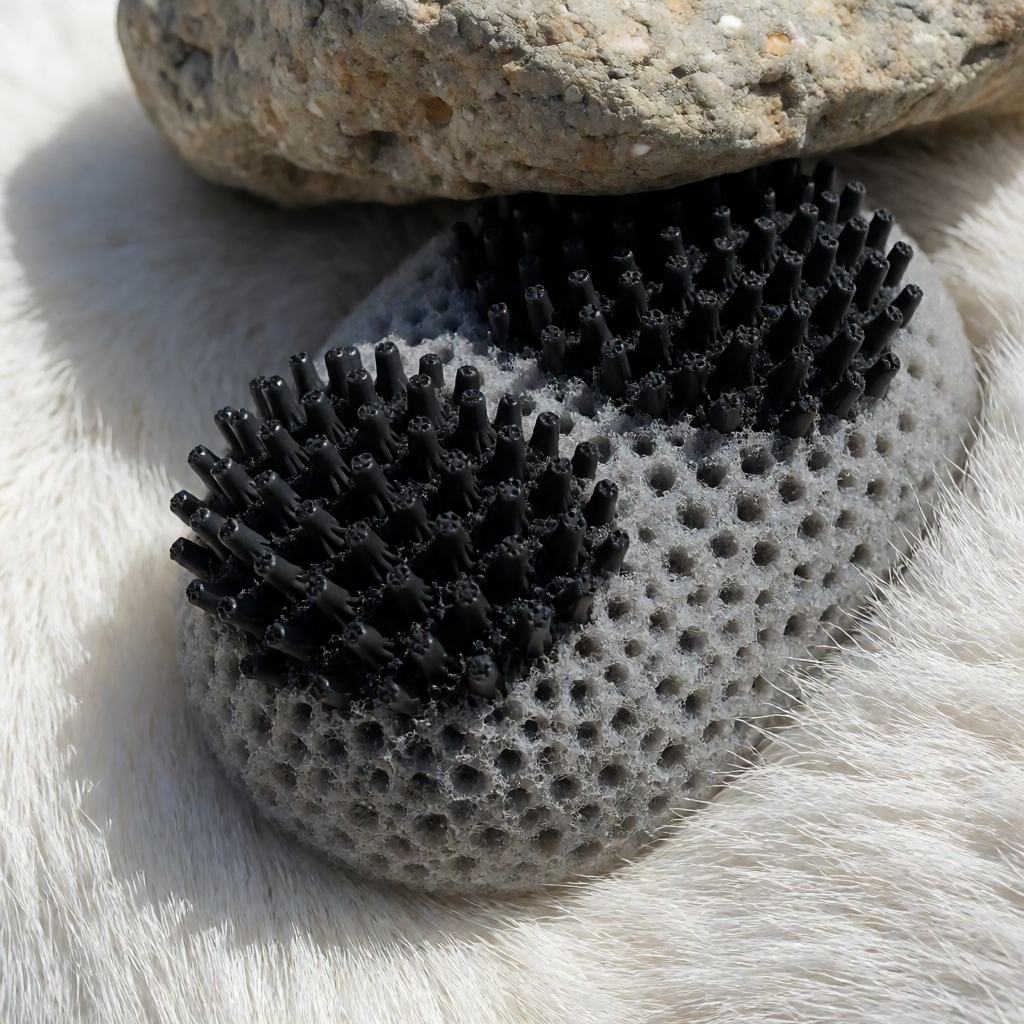
Sponges and borrowed poison
The breeding cycle
Each animal carries both sexes, and it cannot fertilise itself. Two partners meet head to tail, and each one passes sperm to the other. Both then lay eggs, so a single meeting doubles the output. An egg mass forms a pale ribbon, and it curls over rock in a loose spiral.
One ribbon may hold tens of thousands of eggs, each smaller than a grain of sand and each wrapped in its own capsule. Larvae hatch as free swimmers, and they drift for days. A larva then settles on rock, and it changes into a small crawling slug within weeks. Adults gather when they breed, and indeed the clusters can be tight.
Life is short. Most animals live under a year, since the body wears out.
Not Evaluated, and traded
Conservation
No Red List entry exists. Nobody has counted the numbers, so the trend stays unknown. Collectors and keepers want the animal, since the viral pictures made it famous.
Most captives die, because a tank cannot supply the right sponge. Building, runoff and dredging all damage the shallow reef where the species lives. Divers who handle the animal can crush the soft body or rub off the bumps, and a damaged slug rarely recovers.
No rule protects the species in any part of its range. Warming water may shift the sponges, and the slug would then lose its food base. Populations stay common near Japan, where divers still find them easily.
Side by side
How It Compares
| Trait | Sea Bunny | Frond Nudibranch |
|---|---|---|
| Length | 1 cm to 2.5 cm, and a giant may reach 3 cm | 3 cm to 5 cm, and the largest animals pass 7 cm |
| Colour | white with black dots, and the coat looks fuzzy | translucent brown, orange or yellow, with branching gills on the back |
| Food | thin sponges, especially a grey kind of Halichondria | hydroids, which it grazes from weed and rock |
| Young | a spiral ribbon holds tens of thousands of eggs | a ribbon of eggs goes down on weed in spring |
| Build | a ring of gills around the anus, and no gills on the back | a row of bushy gills along the back, and none at the anus |
| Range | warm water from Japan to northern Australia | cold water of the North Atlantic and the North Pacific |
Common misreadings
What People Get Wrong
- Many people think the ears hear sound, yet they smell the water instead. Each one carries plates that fold inward, and the animal reads a chemical trail.
- A common tale says the fur keeps the animal warm, although the coat is a set of flesh bumps. Each bump holds a hard spicule, so the skin feels rough rather than soft.
- Guides claim the species can live in a home tank, yet most captives starve within weeks. A tank cannot supply the right sponge, so the animal refuses every other food.
Going further
Sources and Further Reading
Quick hits
Five things to remember
- The ears are actually organs of smell.
- The fuzzy coat is not fur at all.
- Body length rarely passes 3 cm in the wild.
- Each animal is both male and female.
- The species entered science in 1938.