 By st20113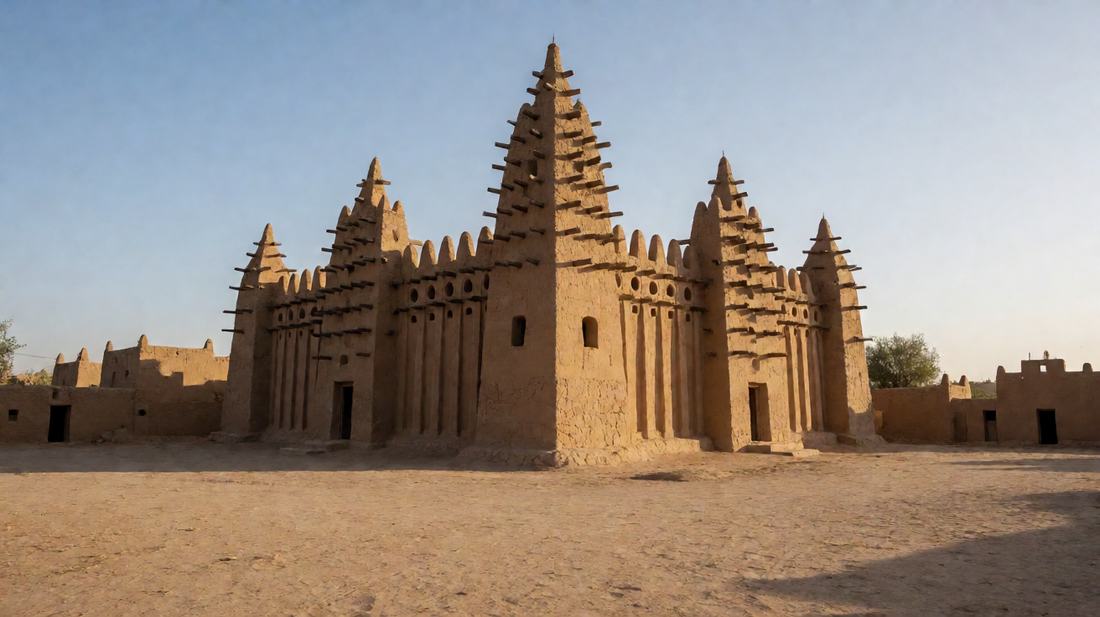
The Songhai Empire | The Songhai
Historical Profile · West Africa and the Niger bend
The Songhai Empire | The Songhai
The last and the largest of the Sudanic states, which taxed the middle of the desert road and made Timbuktu a city of books.
c. 1464-1591
Rose at
Sunni Ali
Askia Muhammad
Broken at
Books
The big picture
Introduction
The Songhai Empire was the last of the great states of the western Sudan. It was also the largest of them. It grew from a town on the river Niger.
That town is in what is now Mali. By the end of the 1400s it ran from the desert to the wetter lands. It held the two greatest trading towns of the region.
One of them became a centre of learning. It lasted about 130 years. Then it broke apart in a single year of war.
Setting
Historical Context
The western Sudan is the belt of dry plain south of the Sahara. It has two kinds of wealth on its edges. There is gold to the south and salt in the desert. The states that grew up there did not mine the gold.
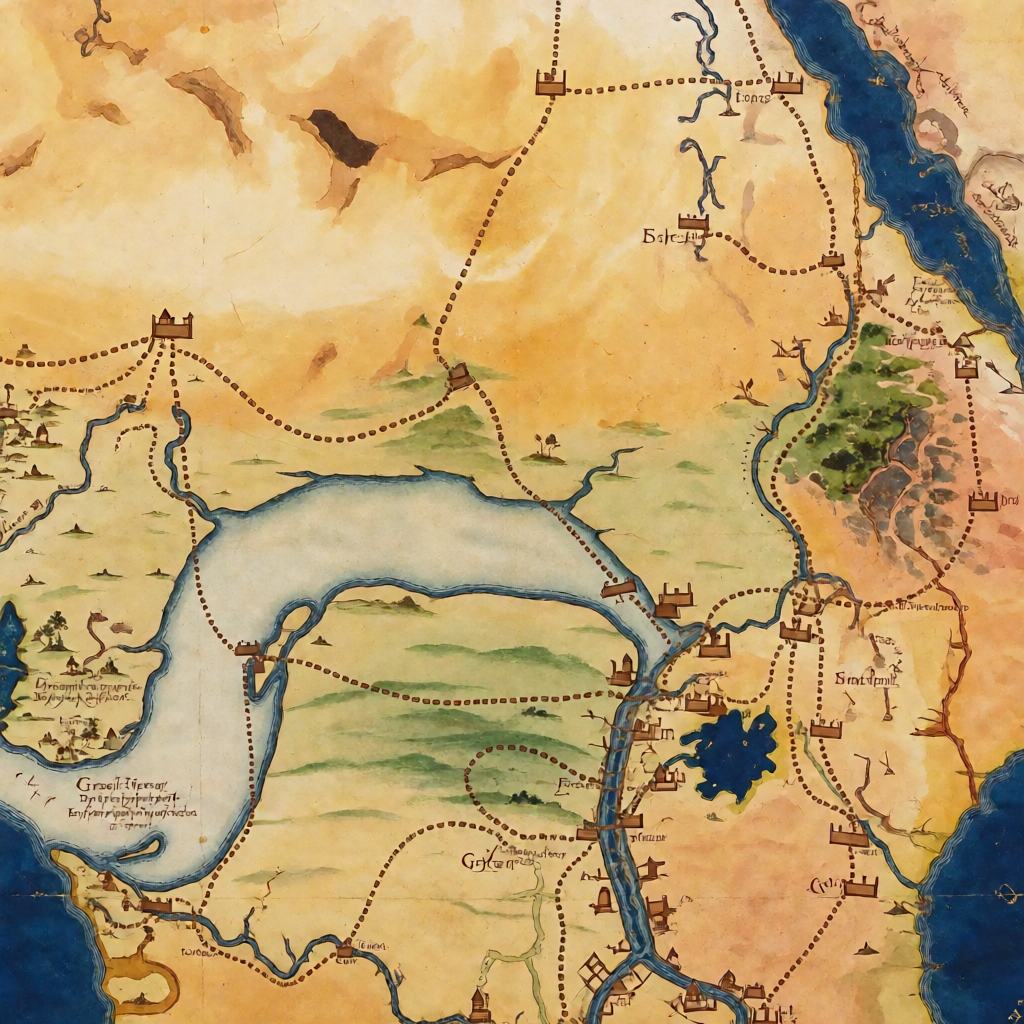
They did not dig the salt either. They held the middle of the road and taxed what passed. The Trans-Saharan Trade had made this way of life possible for centuries. Ghana fell in the 1100s.
Then came the Mali Empire. It held the same routes from about 1235. It reached its height under Mansa Musa in the 1320s. When Mali weakened in the 1400s the river towns acted for themselves.
Turning points
Key Events
The rise began at Gao, a town on the Niger. In 1464 Sunni Ali took power there. He was a soldier first. He used a river fleet to take one town after another. Then he took Timbuktu, the great market town. In 1473 he took Djenne, the other rich town. Sunni Ali died in 1492.
His son was pushed aside the next year. The commander who took power called himself Askia Muhammad. He ruled until 1528. He took the empire to its greatest size. He made the pilgrimage to Mecca in 1496. He came home with scholars and with new standing. He reorganised the state and divided it into provinces.
The empire held together under his successors for most of the 1500s. The end came from the north. In 1591 a Moroccan army crossed the desert with firearms. At Tondibi it broke the Songhai army. The Moroccan force took Gao, Timbuktu and Djenne. It could not hold the country. The empire broke into small states.
1
2
3
Who held power
People and Powers
The ruler was called the askia after 1493. He stood at the head of a state that was also an army. He appointed the governors of the provinces. He kept a standing force and a fleet on the river.
The towns ran their own affairs. They had councils of elders and heads of trading families. The merchants who ran the caravans worked in companies. They lent money to the state and to each other.
Scholars held a place of their own. Timbuktu had schools and a university beside a mosque. The men who taught there advised the ruler on law. One of them wrote a history of the empire.
Everyday world
Daily Life and Society
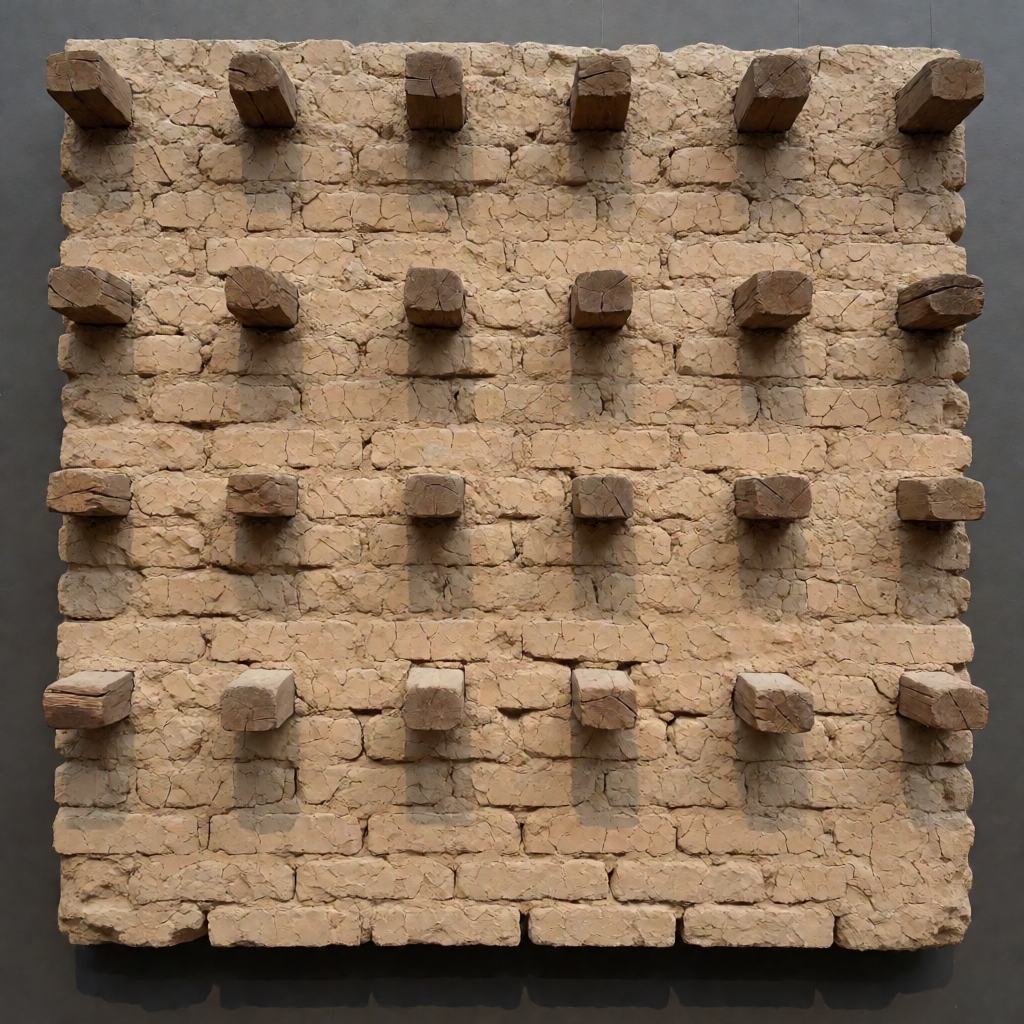
Most people lived in villages along the river. They grew grain on the flood plain. The river gave a second living. In the towns, craftsmen worked in iron, leather and cloth. Builders put up mosques and houses of mud brick. Timbuktu was the great city.
Its mud brick mosques are among the largest of their kind. Its schools drew students from across the region. Copying books was a trade in itself. Private libraries held hundreds of volumes. Trade ran in caravans. Hundreds of men and loads set out together for safety.
Salt came south in slabs. Gold went north. Copper and cloth went both ways. Society had its ranks. The noble families held land and office. Below them came traders, farmers and craftsmen.
Craft and ideas
Trade, Technology and Ideas
The empire was a machine for taxing movement. It held the narrow middle of the desert routes. Every caravan that went north or south paid to pass. The state also kept the routes safe and the wells open. Book learning was the other export of the towns.
The scholars of Timbuktu worked on law and history. They also worked on mathematics, medicine and the sky. Their books were copied by hand. Thousands of them survive. Many were hidden in private houses when the empire fell.
They are still being found and studied today. Arabic was the language of the courts and the schools. It carried a body of law and a set of ideas about government. The rulers of Songhai were Muslim. They built mosques and kept judges.
What lasted
Legacy
The name Songhai survives in the memory of the region. The empire is remembered as the last of the Sudanic states. It came closest to a centralised government in that part of Africa.
Its other legacy is its books. The manuscripts of Timbuktu are a great written record of Africa. They cover law, medicine, history and trade.
Work to protect and copy them goes on. They are the proof that West Africa held cities of learning.
Quick hits
Five Things to Remember
- Songhai grew from the town of Gao on the river Niger.
- Sunni Ali took Timbuktu and Djenne in the 1460s and 1470s.
- Askia Muhammad ruled from 1493 to 1528 and made the pilgrimage in 1496.
- A Moroccan army broke the Songhai at Tondibi in 1591.
- Timbuktu was a centre of trade and of book learning.