 By st20113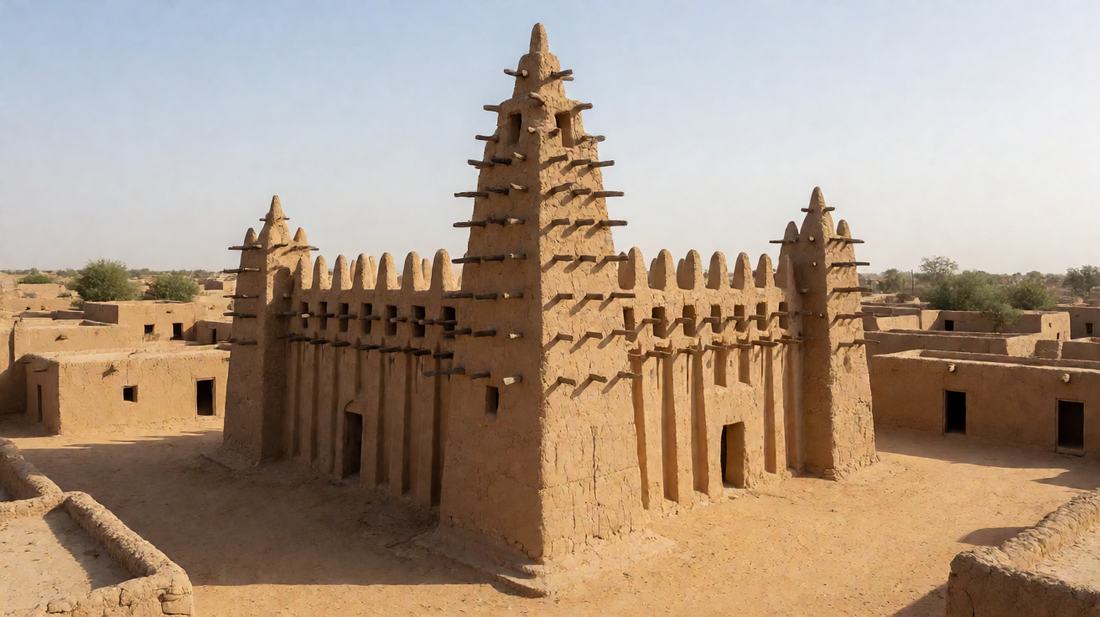
The Mali Empire | The Gold of the Niger
Historical Profile · West Africa and the Niger bend
The Mali Empire | The Gold of the Niger
A kingdom on the upper Niger grew rich by holding the middle of the road between the gold fields and the salt pans.
c. 1235-1600
Rose
Capital
Timbuktu
Musa’s journey
Shrank
The big picture
Introduction
Mali was the greatest power of West Africa in the Middle Ages. It grew from a small kingdom on the upper Niger river. That was in the 13th century. It soon reached across the open lands to the south edge of the desert.
Its rulers held the gold fields of the south. They also held the trade routes that carried the gold north. One of them was Mansa Musa. In 1324 he made a journey to Mecca.
He spent so much on it that he changed the price of gold in Cairo. The empire lasted about 300 years. Then it gave way to Songhai.
Setting
Historical Context
West Africa south of the desert is a belt of dry plain. It sits between two kinds of wealth. In the far south lie the gold fields. In the deep desert lie the salt pans. Salt is needed for living, and gold was wanted everywhere.
The people of the belt did not mine the gold. They did not dig the salt either. Their skill was to hold the middle of the road. Before Mali, the kingdom of Ghana had done the same job for about 400 years. That was from roughly AD 700 onwards.
Ghana fell in the 1100s. Its lands broke into small states. One of them was Kangaba, on the upper Niger. That is where Mali started.
Turning points
Key Events
In about 1235 a prince named Sundiata Keita beat a rival king at Kirina. He took control of the region. He then built a capital at Niani. He brought the gold fields under his rule. Within a hundred years his line held the whole middle Niger. Timbuktu was taken in 1325. That town was the great market on the edge of the desert. Mansa Musa ruled from about 1307 to 1332.
In 1324 he travelled to Mecca with a huge train. He gave away so much gold in Cairo that the market there was weak for years. He came home with scholars, judges and builders. Timbuktu and the town of Djenne grew into centres of learning and trade. A visitor from Morocco, Ibn Battuta, reached the empire in 1352. He wrote a lively account of its courts and customs. The long decline began after about 1430. Nomad groups from the desert took Timbuktu for a time.
The eastern provinces broke away. In 1468 the rising state of Songhai captured Timbuktu. In 1591 a Songhai army was broken at Tondibi. The forces came from Morocco. The whole region then went into a new phase. Mali shrank back to a small kingdom. By 1600 it counted for little.
1
2
3
Who held power
People and Powers
The ruler of Mali carried the title mansa. He stood above every noble in the land. He gave out land and the right to collect taxes. He held the provinces through a mix of family ties and force. Sundiata Keita was the founder.
Mansa Musa was the most famous of his line. Stories of his wealth spread as far as Europe. Below the mansa stood the heads of the great families. Each had its own lands and its own soldiers. Towns ran their own affairs through a council of elders.
A special group, the griots, kept the history of the ruling families in memory. They recited it at public events. Nothing was written down by them. That is why much of what we know comes from visitors and later writers.
Everyday world
Daily Life and Society
Most people lived in villages along the rivers and worked the land. Farmers grew produce on the flood plain and moved with the water. Fishing gave a second living. In the towns, craftsmen worked in iron, in leather and in cloth. Traders lived in their own quarters. Many of them came from the north. Towns were built of mud brick. Some of the mosques still standing are the largest mud brick buildings in the world. Timbuktu had a university built round a mosque. Its schools taught law, letters and the sky.
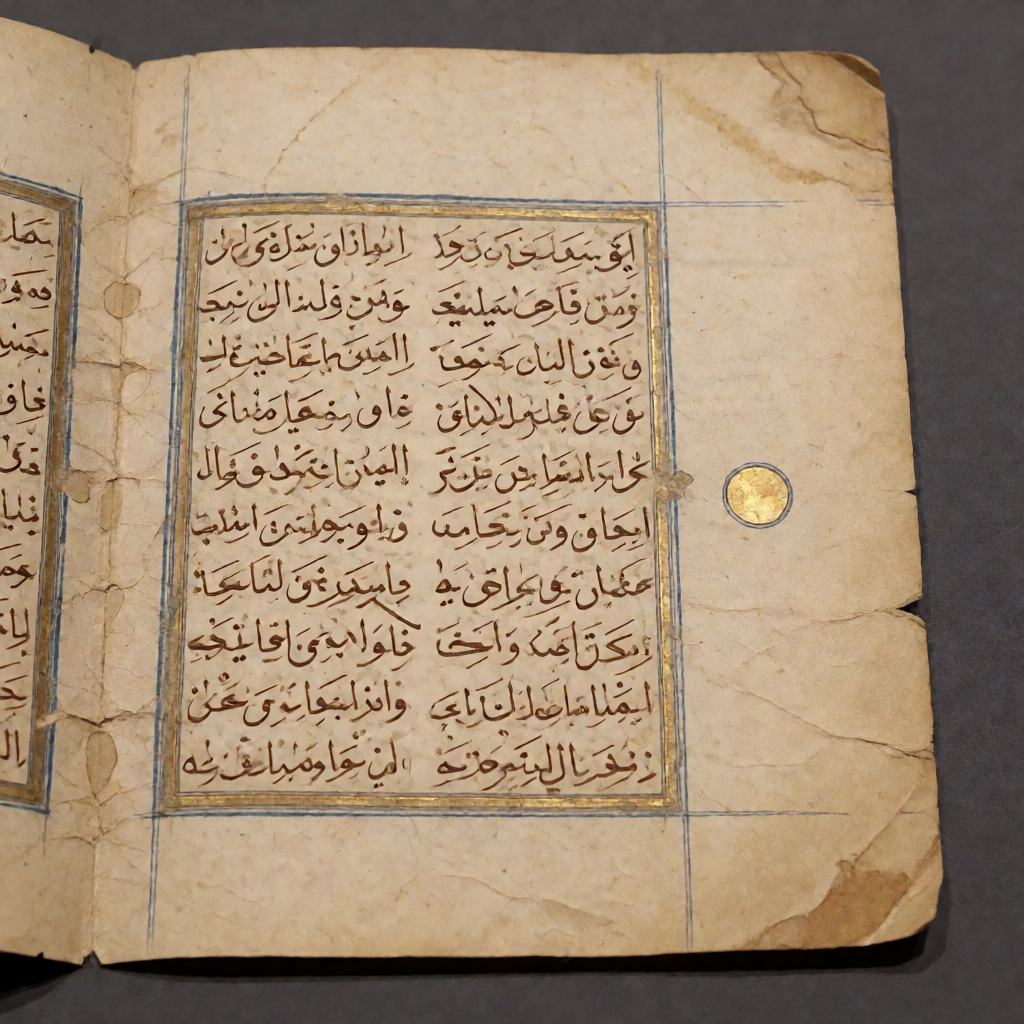
Copying books became a trade in itself. People came from as far as Spain and Egypt to study. The town’s private libraries held thousands of books. A visitor to the towns would notice the dress first. People wore long loose cloth in white and blue. They wore head coverings against the sun. Food came mostly from the river plain. The year turned on the flood. When the water rose, the fields were covered and the work stopped. When it fell, the soil was ready again.
Markets met on set days. People came in from the villages with what they had to sell. Bargaining was done by word of mouth, and prices were known to everyone. Society had its ranks. At the top stood the noble families. Below them came traders, farmers and craftsmen. Each group had its own work and its own place. The state took a share of the trade in gold and salt. That income paid for the court, the army and the building work.
Craft and ideas
Trade, Technology and Ideas
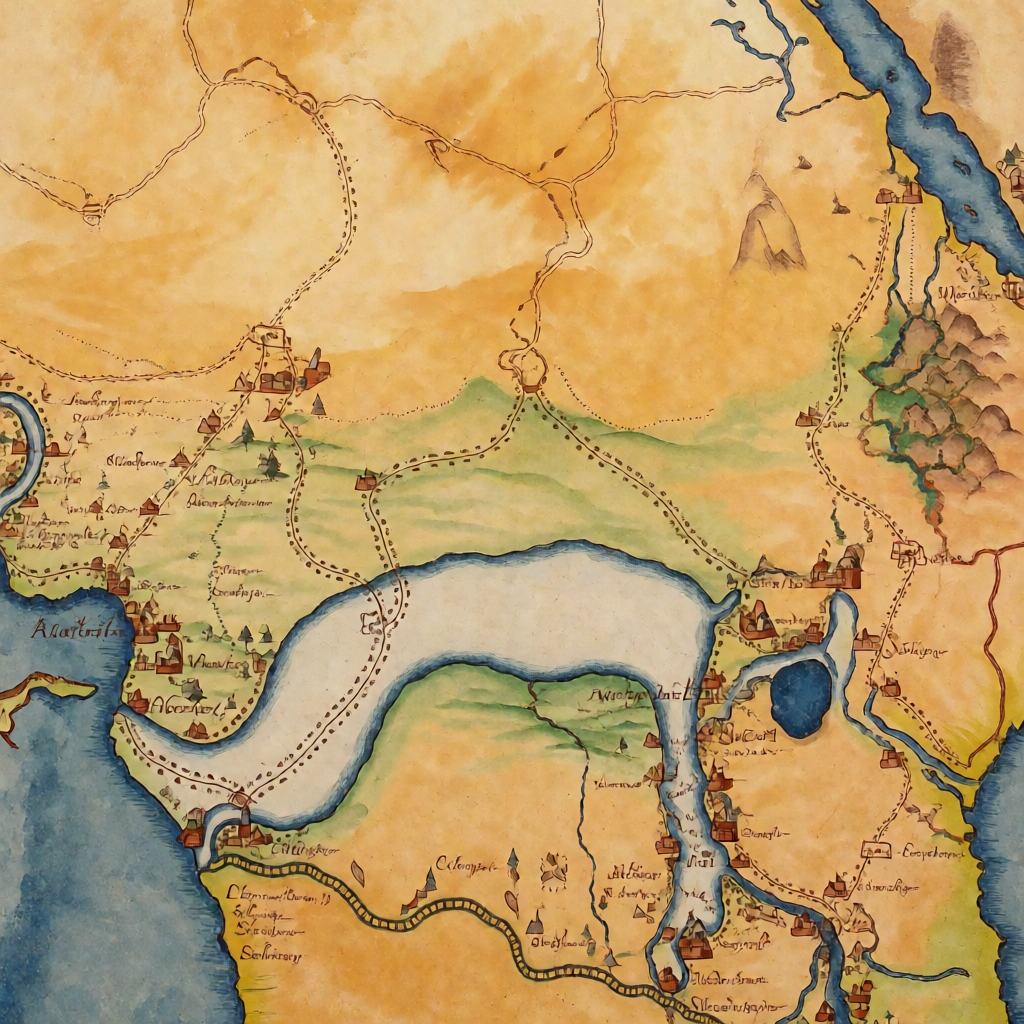
The empire lived on the trade across the desert. Gold went north from the fields. Salt came south from the pans. Copper and cloth went both ways. Caravans of hundreds of men and loads set out together for safety. The whole system was run by trading families who knew every well on the route.
The Trans-Saharan Trade was the base of Mali’s power. Holding its middle section was the whole point of the state. Ideas came along the same road. Arabic writing, law and numbers arrived with the traders. The rulers of Mali became Muslim. They built mosques and kept judges.
They sent students abroad. The books copied in Timbuktu covered law, healing, the sky, maths and history. When the empire fell, those books were hidden in private houses. Thousands have survived.
What lasted
Legacy
Mali was replaced by Songhai. Songhai was broken in 1591. The trade routes shifted to the coast as European ships took over the sea trade. The great desert towns grew quiet.
The memory lasted. The name Mali was taken by a modern state when it became independent. The manuscripts of Timbuktu are now seen as one of the great written records of Africa. Work to protect and copy them goes on.
Above all, the empire stands as proof of something. The deepest inland region of West Africa held a rich and ordered state long before any European ship reached the coast.
Quick hits
Five Things to Remember
- Mali grew from about 1235 under Sundiata Keita.
- Its wealth came from the gold fields of the south and the salt trade.
- Mansa Musa made a pilgrimage to Mecca in 1324.
- Timbuktu became a centre of trade and learning.
- The empire shrank after about 1430 and was replaced by Songhai.
[…] | 1066 The Ottoman Empire | The Sublime Porte The Colosseum | The Flavian Amphitheatre The Mali Empire | The Gold of the Niger 30 Sep 2026, […]