 By st20113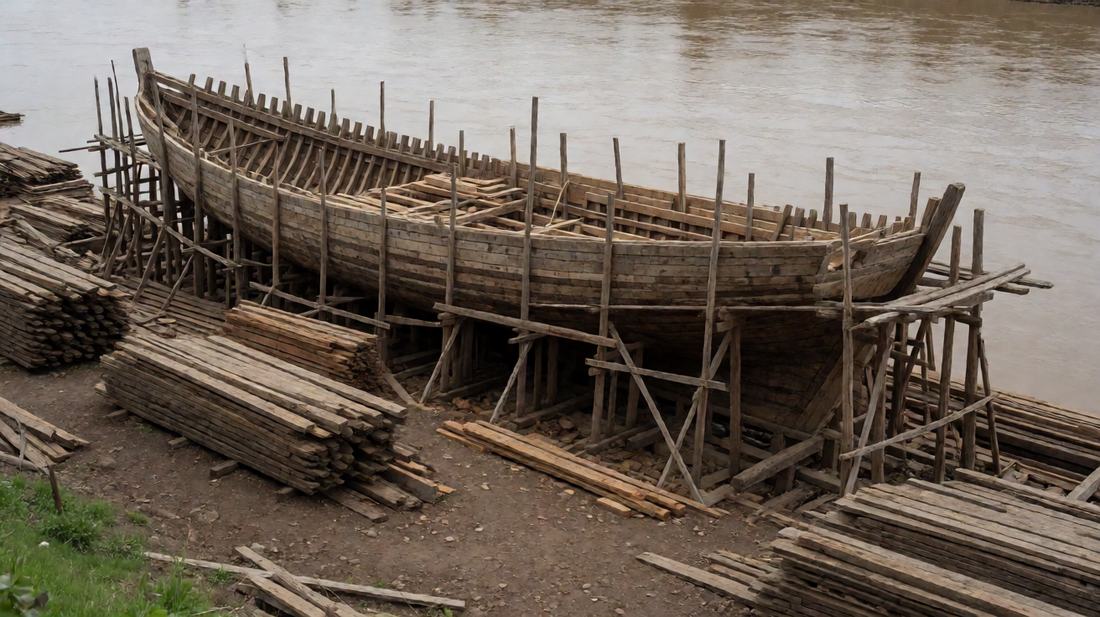
Zheng He’s Treasure Fleets | The Ming Voyages
Historical Profile · The Indian Ocean
Zheng He’s Treasure Fleets | The Ming Voyages
Seven fleets, two years at sea and more than 200 ships: the largest naval effort of its age, and then it stopped.
1405-1433
Voyages
Period
Ships
Crew
Last trip
The big picture
Introduction
Between 1405 and 1433 a Chinese fleet sailed out of a great river. It crossed the Indian Ocean seven times. The fleets were huge for their age. Some carried more than 200 ships and 28000 men.
They reached the coast of East Africa and the gate of the Red Sea. They carried silk and porcelain out. They brought envoys, rare goods and news of far courts back. Then the trips stopped quite suddenly.
The ships were left to rot. China turned away from the ocean for 4 centuries.
Setting
Historical Context
China had been ruled by Mongol emperors since the thirteenth century. In 1368 a rising drove them out. A new house, the Ming, took power. Its first capital was in the south, at Nanjing. Then, in 1402, a prince took the throne from his own nephew after a short civil war.
He is known by his reign title, the Yongle emperor. The new emperor had two reasons to look outward. He needed to prove he was the true ruler. A show of power abroad was one way to do it. He also wanted the trade and the tribute that came with good ties overseas.
So he moved the capital north to Beijing. There he built the Forbidden City between 1406 and 1420. He also ordered a series of great trips to the south and west.
Turning points
Key Events
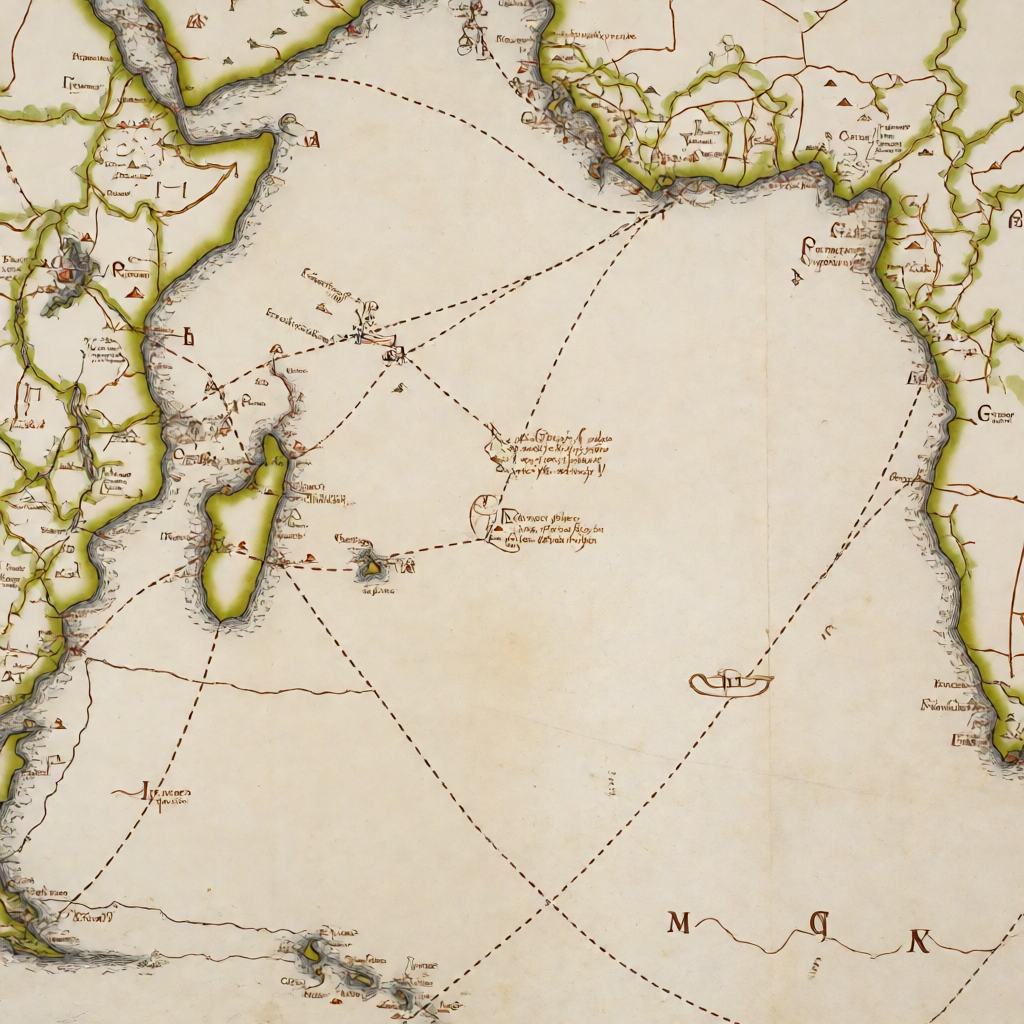
The first fleet left in 1405. It sailed to Champa, in what is now southern Vietnam. Then it went to Java, then to Malacca and on to Calicut, on the west coast of India. Several local rulers were told to stop attacking Chinese ships. One was taken back to China by force. Later trips went further. Fleets reached an island in the south in 1411. In 1413 the fleet sailed to Hormuz, at the gate of the Persian Gulf.
In 1415 it brought back rare goods from East Africa. These caused a stir at court. Later fleets reached the east coast of Africa. One of Zheng He’s officers travelled on to Mecca. The seventh and last trip set out in 1431. The end came fast. The Yongle emperor died in 1424. The court turned against the cost.
Officials in Beijing argued that the trips drained the treasury for the sake of fine goods. The last fleet came back in 1433. Zheng He died on the way home. After that, shipbuilding was cut back. Records were lost or destroyed. The great yards at Nanjing were left idle. In 1449 a Ming army was destroyed and the emperor was captured. After that the court had no wish for far trips.
1
2
3
Who held power
People and Powers
Zheng He was born in 1371 in Yunnan, in the far south west, into a Muslim family. He was taken as a boy and brought into the royal house. He grew up as a court servant and a soldier. He became a trusted chief. He led every one of the seven trips. His family past mattered. He was a Muslim with links in the trading world of the Indian Ocean.
He could talk to rulers and traders from Malacca to Hormuz. Behind him stood the emperor and the court. Against him stood the officials of the civil service. They did not trust the navy or the men who ran it. The fight between these two groups settled the fate of the fleet. The trips were not stopped by a loss at sea. They were stopped by a budget row at court.
That is a rare thing in the story of exploration. The states the fleet met were small and large by turns. Malacca was raised up as a base and became a sultanate. Calicut was a great trading port. Hormuz held the Gulf. Along the East African coast, the fleet called at ports that shipped gold and rare goods north. Almost everywhere it went, it came with gifts and left with envoys.
Everyday world
Daily Life and Society
A treasure fleet was a floating town. The crews held sailors, soldiers, clerks, doctors, craftsmen and interpreters. The numbers reached 28000 on some trips. Feeding that many people for two years at sea took planning. Water was carried in wooden tanks. The larger ships carried stores of preserved food for the long legs of the trip. Navigation used the compass, the stars and written sailing directions.
These listed courses and depths. Crews waited for the monsoon winds and followed them across the ocean. Life on board was strictly run, with watch duties, drills and punishments. Letters and reports went back to the capital. The court knew what had happened months before the fleet came home. Ashore, the fleet dealt with local rulers in a set way. It offered gifts and titles.
It asked for recognition of the Chinese emperor. In return it gave cover against pirates and access to a huge market. Most ports took the deal. A few did not, and force was used. The result was not a colony. The Ming set up no overseas provinces and left no troops behind.
Craft and ideas
Trade, Technology and Ideas
The ships were the wonder of the age. The biggest of them were called treasure ships. Chinese sources describe them as having 9 masts and over 100 m long. Some modern historians doubt those figures. A wooden rudder post found at Nanjing in the twentieth century was about 11 m long. That hints that very large ships were built.
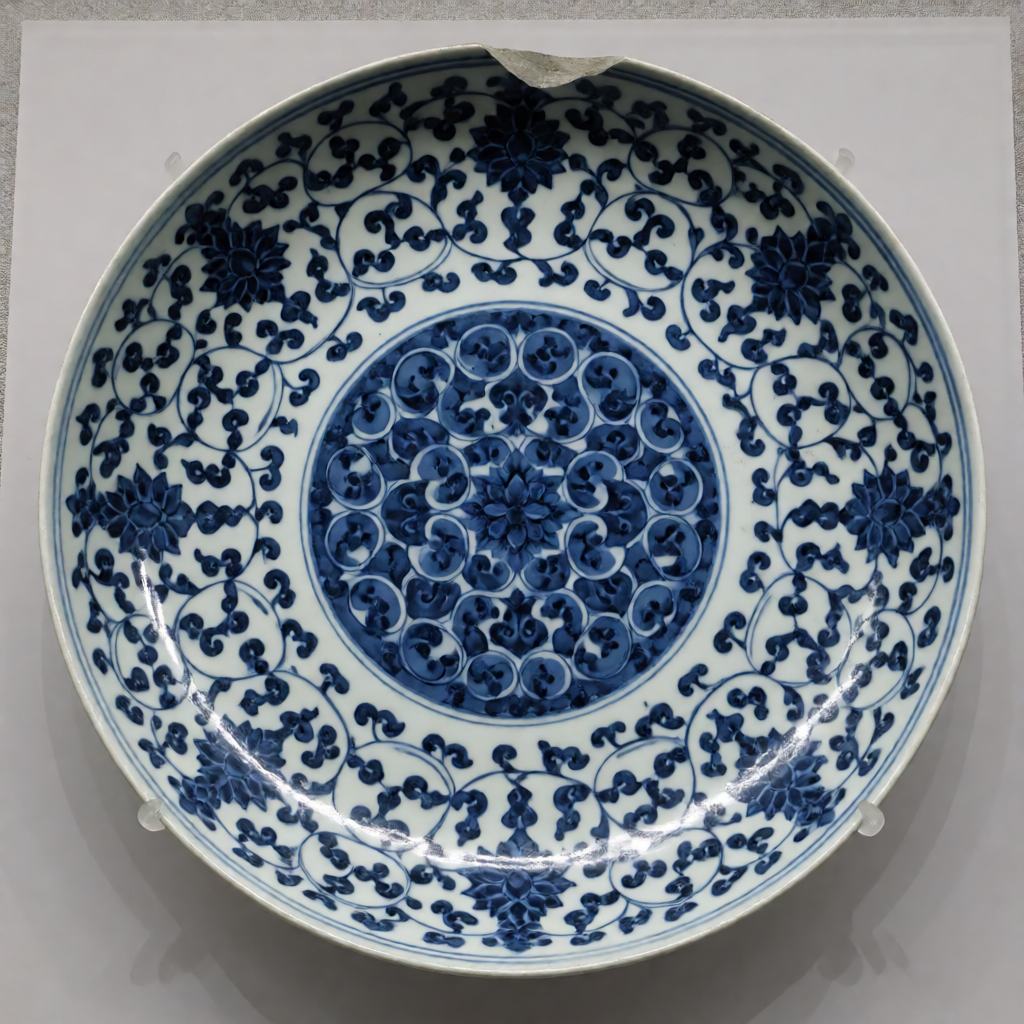
The fleet also carried a body of technical skill. Chinese sailors used the magnetic compass, star heights and printed charts. They wrote down routes, depths and marks in sailing directions that were used long after the trips ended. Their ships had watertight rooms, which made them hard to sink. Trade followed the fleet. Chinese silk and porcelain went abroad.
Spices, gems, metals and rare goods came back. The swap was carried on inside the tribute system. That meant the emperor gave more than he got. It was good for standing and bad for the books. It became the main charge against the trips.
What lasted
Legacy
The end of the trips is one of the great what-ifs of history. Portugal began its own ocean trips only a few years later. In 1498 a Portuguese fleet reached Calicut by the route the Chinese had already used. By then China had pulled back. The two events were not linked, but they are usually put side by side.
Modern China has taken up the story again. The 600th anniversary of the first trip was marked in 2005. Zheng He is now shown as a sign of peaceful contact, not conquest. The comparison with Europe is the part historians argue about most. A Chinese fleet and a Portuguese fleet were in the same ocean within one lifetime.
They acted in very different ways. One came with gifts and left. The other came with guns and stayed.
Quick hits
Five Things to Remember
- Zheng He led seven voyages between 1405 and 1433.
- The fleets carried as many as 200 ships and 28000 men.
- The fleets reached East Africa and the mouth of the Red Sea.
- The biggest ships were said to have 9 masts.
- The trips stopped because the court decided they cost too much.