 By st20113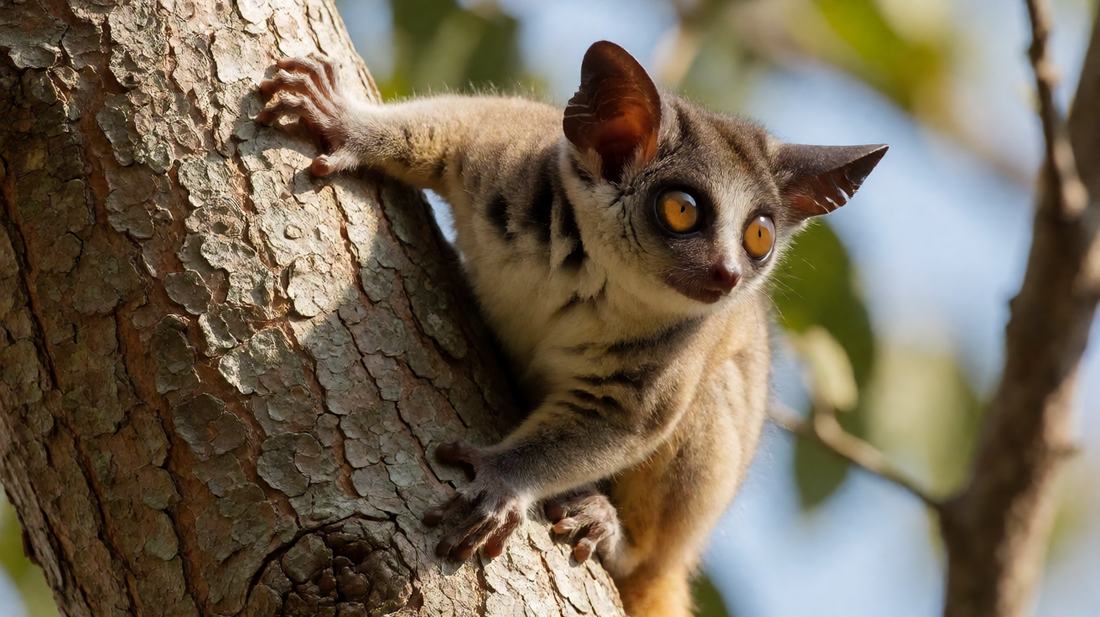
Galago moholi | South African Galago
Species Profile · Galagidae
South African Galago
A small night active primate of southern African woodland that jumps between branches, scrapes gum from acacia bark and never drinks free water.
A big eyed night primate that leaps through dry woodland
Body
Tail
Weight
Pregnancy
Weaning
Family
The South African Galago
A leaping primate of the night
The South African Galago is a small night active primate of dry woodland. It has very large eyes and thin mobile ears. It leaps between branches on long back legs.
By day it sleeps in a tree hole or a leaf nest. At night it hunts insects and laps tree gum. Its loud cry carries far through the dark.
Family tree
Primates, Galagidae
The species sits in the family Galagidae. Its order is the Primates. The family holds about 20 species in all. It shares the order with the Slow Loris.
Both animals are night active with large forward facing eyes. Galagos differ in their long tails and jumping limbs. The species was named by the naturalist Smith in 1836.
20 cm of body and 30 cm of tail
How to tell one
The body measures about 20 cm long. The tail adds another 30 cm. The animal weighs between about 140 g and 230 g.
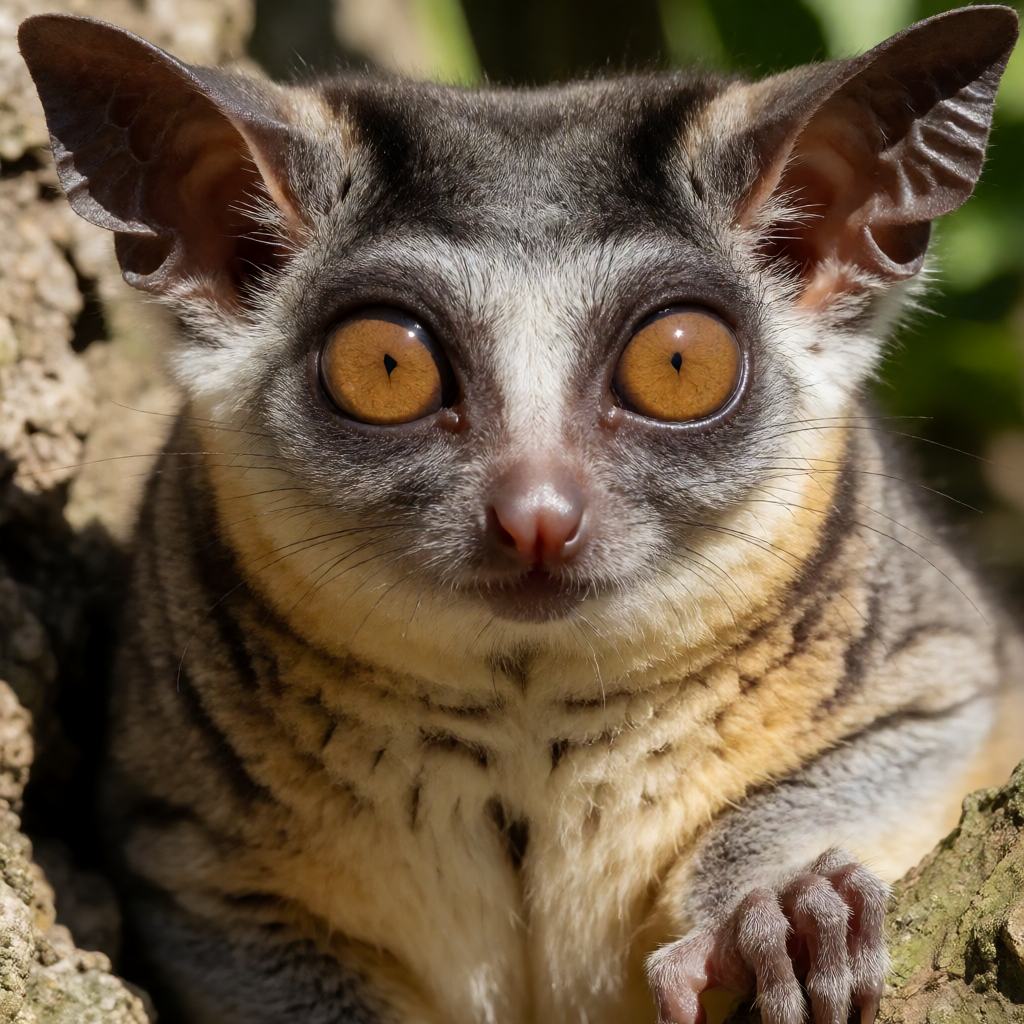
The fur is thick, woolly and grey brown above. The belly is pale yellow grey. The ears are large, thin and almost bare.
Each ear can move on its own. The hind legs are much longer than the front ones.
1
2
3
Dry savanna woodland and bushveld
Where it lives
The species lives in dry savanna woodland and bushveld. It favours stands of acacia and mopane trees. Tree holes and hollow trunks give it shelter by day. Females also build leafy nests in the wet season.
It ranges across southern Africa in several countries. It can live near villages and in gardens. Very wet forest and open grassland hold no animals.
Insects and acacia gum
What it eats
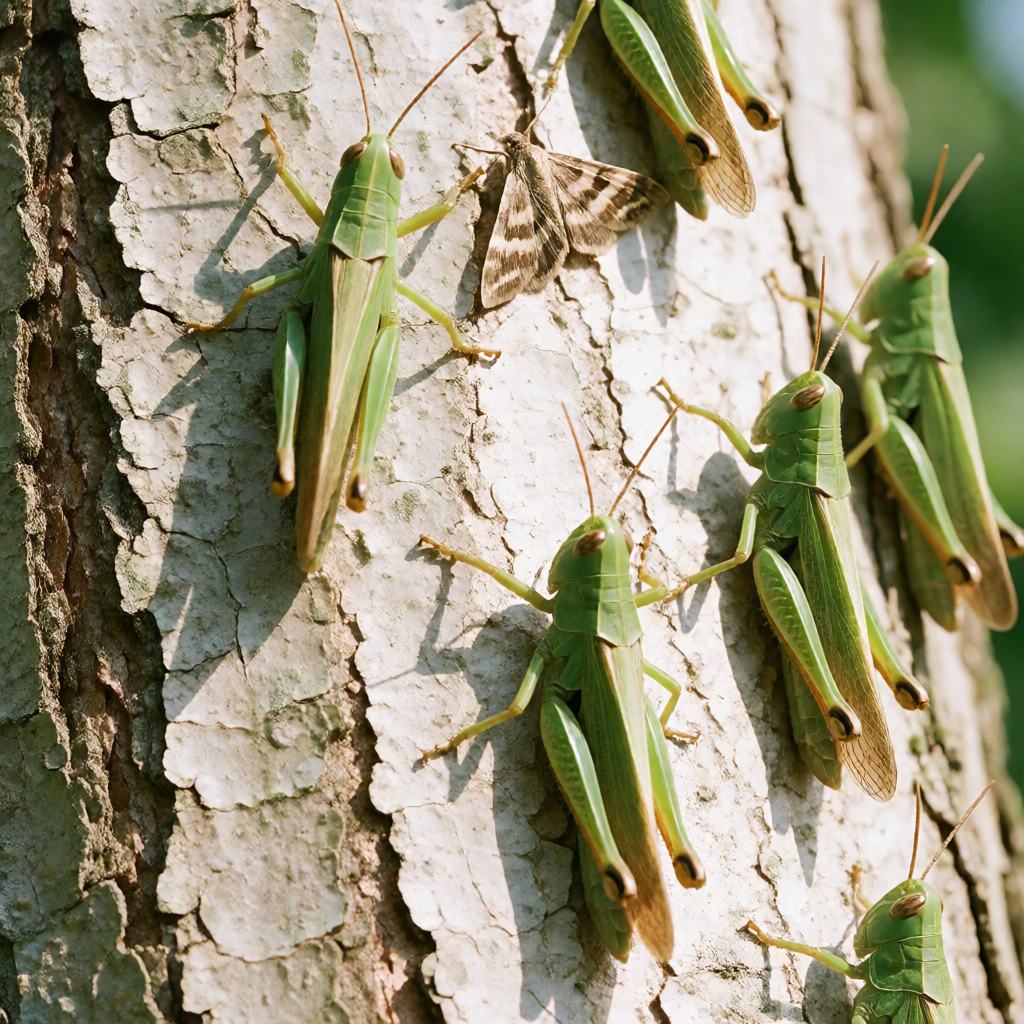
The animal eats moths, beetles and other insects. It also scrapes gum from acacia bark. A special row of front teeth cuts into the tree. It takes no free water and gets fluid from food.
The animal leaves its sleeping place after full dark. It hunts alone for most of the night. Feeding stops before first light.
120 days and 2 young
The breeding cycle
The female is pregnant for about 120 days. She usually gives birth to 2 young at a time. She may breed every 4 to 8 months. The young cling to her fur at first.
She leaves them in a nest while she feeds. They are weaned at about 3 months. They become adult at about 9 to 12 months.
Bushmeat, pets and lost trees
Conservation
The species is listed as Least Concern by the IUCN. It is still common across much of southern Africa. Its range may even be expanding in places. Bushmeat hunting and the pet trade take some animals.
Woodland clearing removes its sleeping trees. It survives well in protected areas and on farms. Trade rules now control the sale of live animals.
Quick hits
Five things to remember
- The animal washes its hands and feet with urine to lay scent trails.
- It can turn its thin ears to face a sound without moving its head.
- Several animals often share one sleeping hole by day.
- Its long tail does not grip branches like a monkey tail does.
- Its loud call carries across a whole valley at night.