 By st20113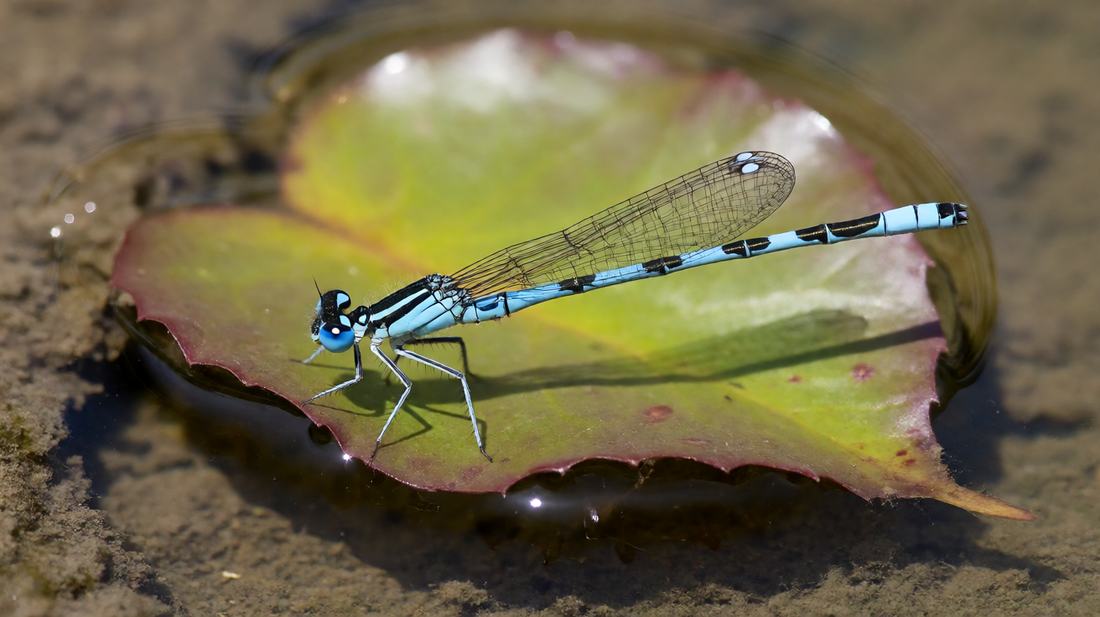
Coenagrion pulchellum | Variable Damselfly
Species Profile · Coenagrionidae
Variable Damselfly
A small blue damselfly that flies for a few weeks in late spring, hunts midges over quiet water and folds its wings along its back when it rests.
A blue and black damselfly of slow water and floating leaves
Body
Wings
Mark
Segments
Flight
Adult life
The variable damselfly
A slender insect of slow water
The Variable Damselfly is a slender insect of slow water. It is 1 of the blue damselflies of Europe. It flies for a short season in late spring.
The male carries bands of blue and black. The female comes in blue or green forms. The insect hunts small flies above the plants.
It folds its wings along the body at rest. It rarely travels far from its home pool.
Family tree
Odonata, Coenagrionidae
The Variable Damselfly sits in the phylum Arthropoda. Its class is the Insecta. Its order is the Odonata. Its family is the Coenagrionidae, the narrow-winged damselflies.
Our insect shares the suborder Zygoptera with the Emerald Damselfly. That insect rests with its wings held apart. Our insect folds its wings along the body. That habit gives the whole group its name.
The 2 species also differ in colour. The Emerald Damselfly has a metallic green body. Our insect carries bands of blue and black. The family holds about 1,100 species in the world.
33 mm and a glass shaped mark
How to tell one
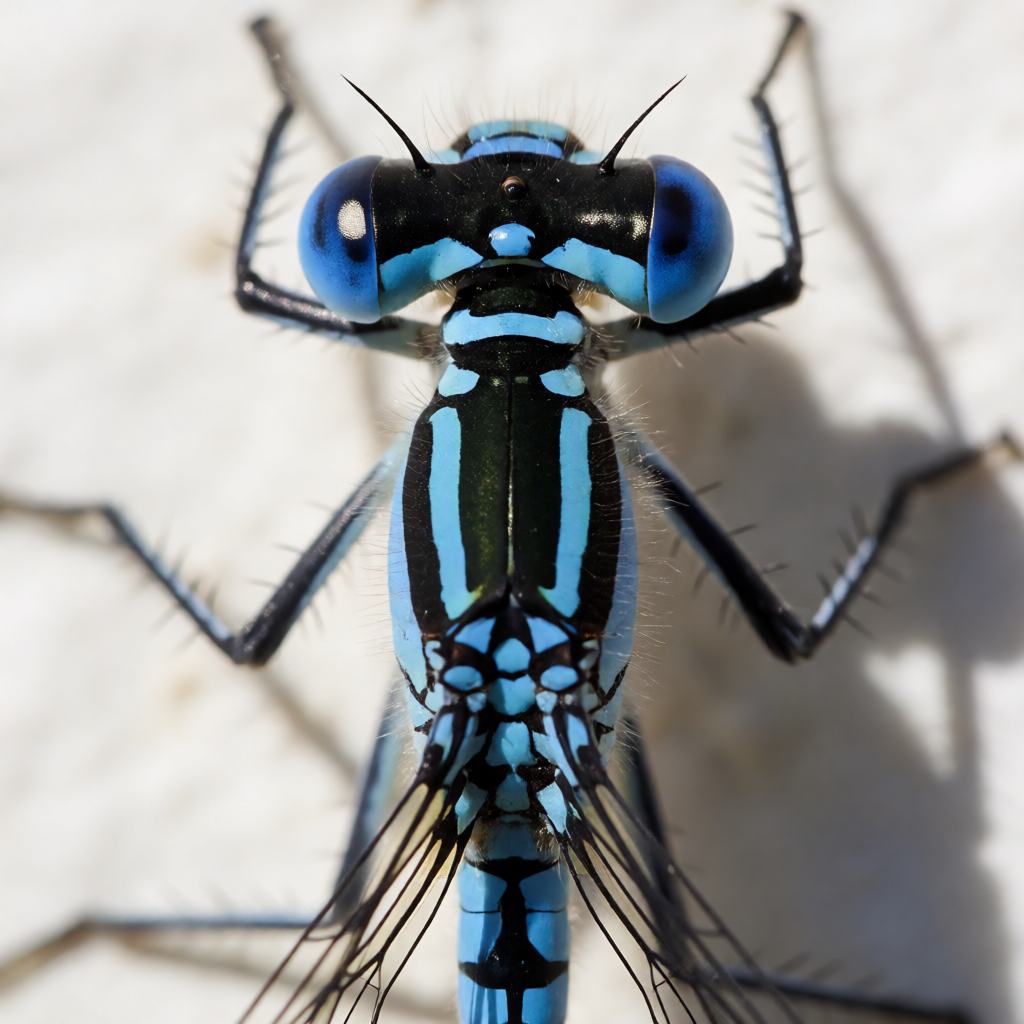
The body measures about 33 mm in length. The wings reach about 20 mm from the body. The male has a blue and black pattern. A mark like a small glass sits on the 2nd segment.
That mark gives the species a handy clue. The 8th and 9th segments are mostly blue. The last segment is black. The eyes are blue with dark spots.
The wings are clear, and they are held along the back. A small dark spot sits near the tip of each wing. The female may be blue or green. The young adult is pale and dull at first.
1
2
3
Ditches, canals and quiet pools
Where it lives
The species lives beside slow water. It favours ditches, canals and quiet pools. It needs plenty of floating plants. It also needs tall stems along the bank.
The insect hunts over the water surface. It rests on a leaf or a stem. It prefers a site with some sun. Warm shallow water suits the young.
A shaded ditch is of little use. The species has declined in many places. Drainage and dirty water remove its home.
Midges taken in flight
What it eats
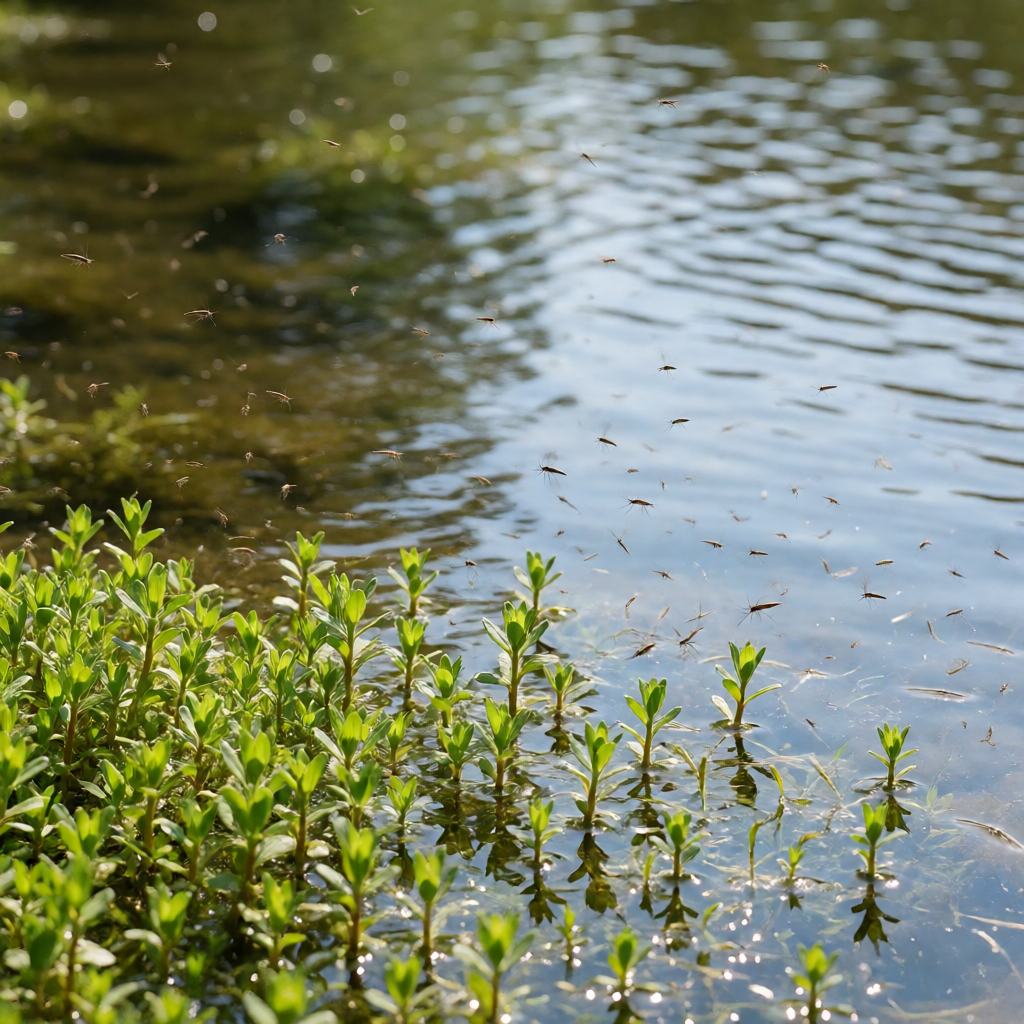
The Variable Damselfly is a hunter. It catches small flies on the wing. Its prey includes midges and small moths. It also takes tiny beetles.
It hunts from a perch or in the air. Its legs form a small basket. That basket traps the insect in flight. The large eyes find the prey.
The nymph lives under water. It eats water fleas and small worms. It grabs them with a special lower jaw.
Eggs cut into a floating leaf
The breeding cycle
The male and the female fly joined together. They form a pair in the shape of a ring. The female then cuts into a floating leaf. She lays her eggs inside the plant tissue.
The eggs hatch after a few weeks. The young nymph lives in the water. It grows slowly through the cold months. It sheds its skin many times.
In spring it climbs a stem above the surface. The adult breaks out of the old skin. The insect then lives for about 3 weeks.
Drained ditches and dirty water
Conservation
The Variable Damselfly has not been assessed by the IUCN. It is local in most of its range. It has no legal protection in many lands. It needs clean water and a rich plant edge.
Drainage of a ditch destroys a whole group. Pollution also kills the nymph. Cutting the floating plants removes the egg sites. The species has gone from several counties.
A quiet fen with clear water gives it the best chance. Careful management of the bank helps it most.
Quick hits
Five things to remember
- Its name comes from the many forms it takes.
- The male carries a glass-shaped mark on his body.
- It folds its wings along the back when at rest.
- The young nymph spends a whole winter in water.
- It can fly straight up and hover like a small bird.