 By st20113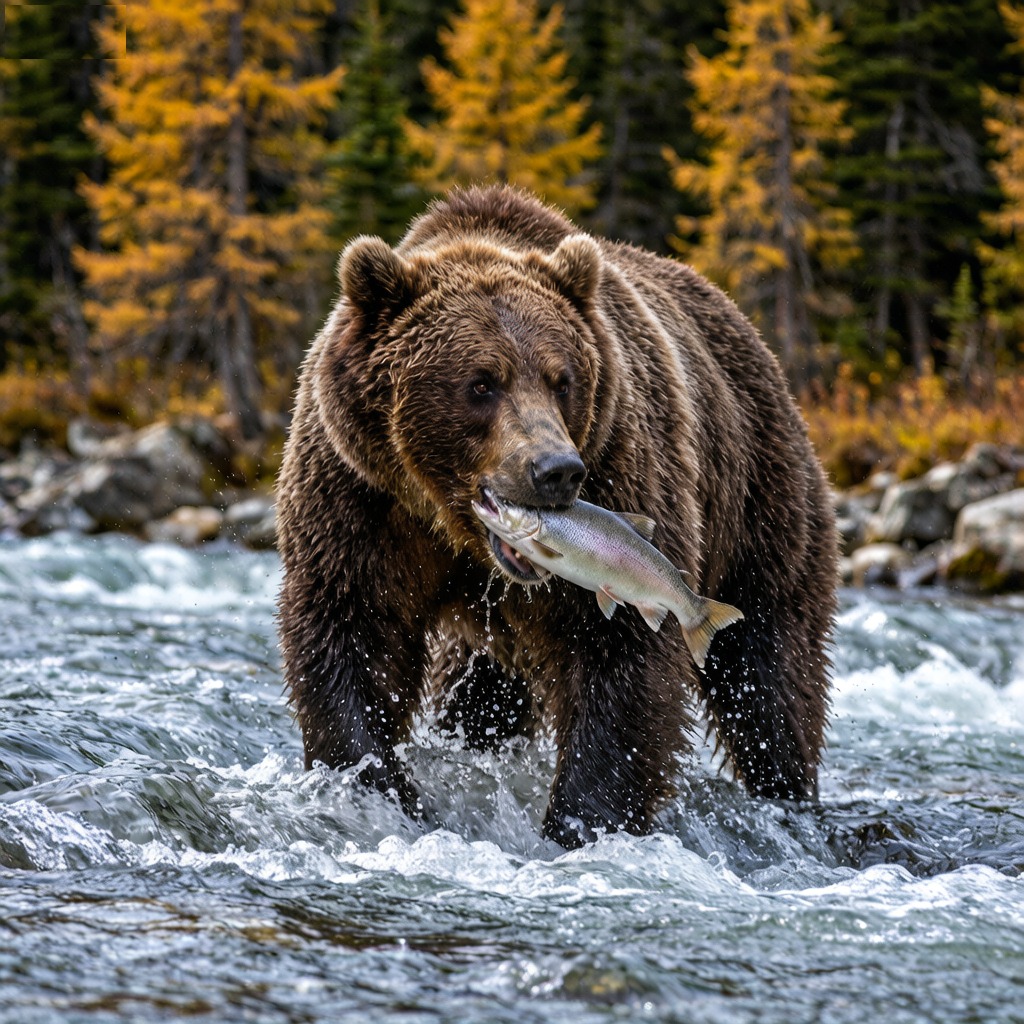
Introduction
The grizzly bear (Ursus arctos horribilis) is a subspecies of the brown bear that inhabits the wild landscapes of North America. Known for the distinctive hump of muscle over its shoulders, silver-tipped or “grizzled” fur, and formidable size, the grizzly is one of the most powerful land predators on the continent. Once widespread across western North America from Alaska to Mexico, grizzlies now occupy approximately 6 percent of their historical range, making them a symbol of both wilderness and conservation challenges.
Taxonomy and Classification
The grizzly bear is a subspecies of the brown bear (Ursus arctos), which itself is one of two species in the genus Ursus alongside the American black bear. The Kodiak bear (U. a. middendorffi) of Alaska’s Kodiak Archipelago is the largest brown bear subspecies and is sometimes considered a distinct species. Grizzly bears are thought to have diverged from other brown bear populations approximately 100,000 years ago during glacial cycles.
Physical Characteristics
Grizzly bears are large, powerful mammals. Adult males typically weigh 180 to 360 kg (400 to 790 lbs), while females range from 130 to 200 kg (290 to 440 lbs). Standing on hind legs, males can reach heights of 2.4 meters (8 feet). Their fur ranges from blonde to dark brown, with lighter tips giving the “grizzled” appearance. The pronounced shoulder hump is a mass of muscle used for powerful digging and sweeping motions when foraging.
Distribution and Habitat
Grizzly bears historically ranged across most of western North America. Today, their primary strongholds are in Alaska, western Canada, and the northern Rocky Mountains of the United States — including Yellowstone and Glacier National Parks. They occupy diverse habitats including temperate rainforests, alpine meadows, tundra, and coastal estuaries.
Diet and Foraging
Despite their reputation as apex predators, grizzlies are omnivores with a diet that is roughly 90 percent plant-based in many regions. They consume grasses, roots, berries, nuts, insects, fish (especially salmon during spawning runs), and occasionally ungulates such as elk and moose.
Conservation Status
The grizzly bear is listed as threatened in the contiguous United States under the Endangered Species Act. Major threats include habitat loss and fragmentation, human-wildlife conflict leading to bear deaths, and climate change affecting food sources such as whitebark pine seeds and salmon runs.