 By st20113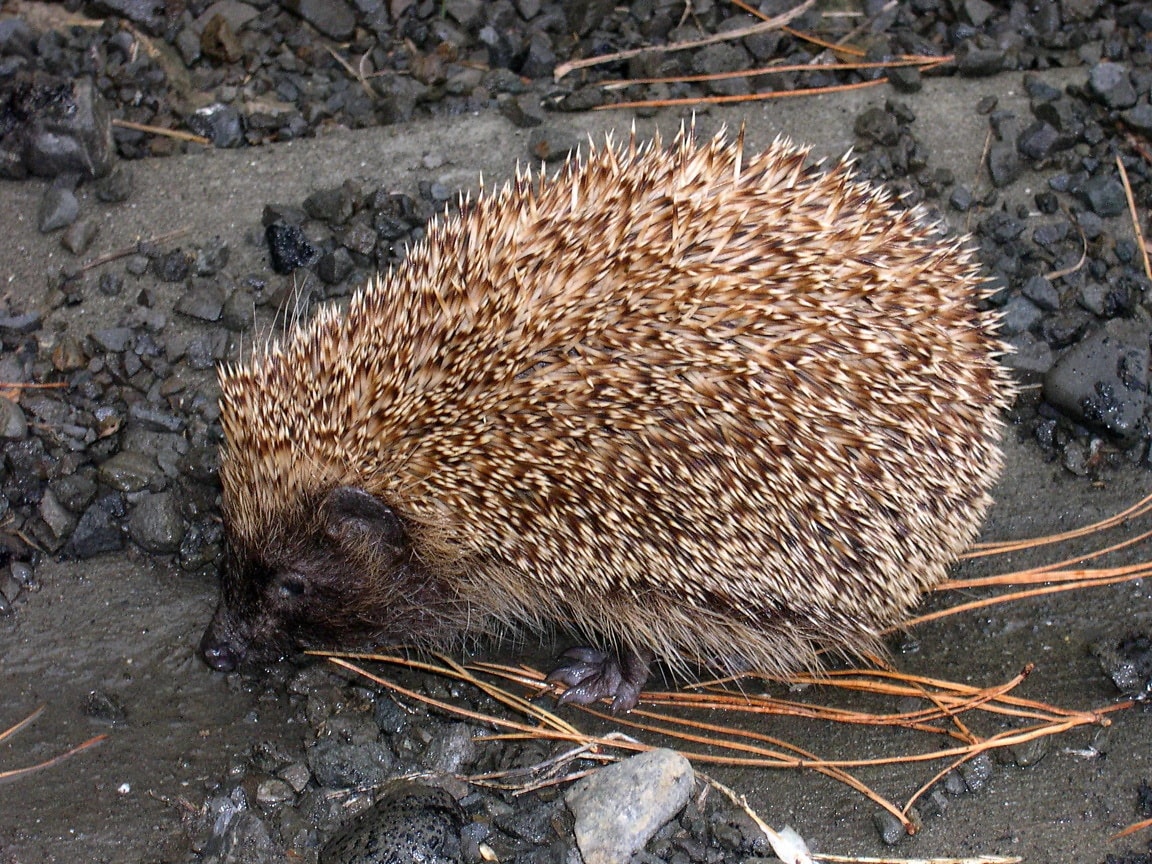
Introduction
Hedgehogs are small, spiny mammals belonging to the family Erinaceidae. There are approximately 17 hedgehog species across four genera: Atelerix, Erinaceus, Hemiechinus, and Paraechinus. Hedgehogs are found across parts of Europe, Asia, and Africa. Their name derives from their habit of foraging through hedgerows and their pig-like grunting sounds.
Taxonomy and Classification
Hedgehogs belong to the order Eulipotyphla, which also includes shrews and moles. Despite superficial similarities, hedgehogs are not closely related to porcupines or other rodents — their spiny coats have evolved independently through convergent evolution. The family Erinaceidae is divided into two subfamilies: Erinaceinae (true hedgehogs with spines) and Galericinae (gymnures without spines).
Physical Characteristics
Hedgehogs are small mammals typically measuring 10 to 30 cm (4 to 12 inches) in body length. Their most distinctive feature is the coat of approximately 5,000 to 7,000 stiff, hollow spines, which cover the back and sides. These spines provide effective defense — when threatened, hedgehogs curl into a tight ball, exposing only their spiny exterior. Hedgehogs have a good sense of smell and hearing but relatively poor eyesight.
Distribution and Habitat
Hedgehogs are native to parts of Europe, Asia, Africa, and the Middle East. The European hedgehog ranges across Western and Central Europe. African species include the four-toed hedgehog found across sub-Saharan Africa. Hedgehogs have been introduced to New Zealand and parts of Australia, where they are considered invasive.
Diet
Hedgehogs are primarily insectivorous, feeding on beetles, caterpillars, earthworms, slugs, and other ground-dwelling invertebrates. During summer and autumn, hedgehogs enter a period of hyperphagia, consuming large quantities of food to build fat reserves that sustain them through winter hibernation.
Hibernation
In temperate regions, hedgehogs hibernate during winter months. Hibernation typically begins in October or November and lasts until March or April. During hibernation, body temperature drops dramatically and metabolic processes are greatly reduced.
Defense Mechanisms
In addition to rolling into a spiny ball, hedgehogs produce foamy saliva and spread it across their spines in a behavior called “self-anointing.” Hedgehog spines are not barbed or poisonous, but they provide effective protection against most predators.
Conservation Status
Most hedgehog species are listed as Least Concern. The European hedgehog has experienced significant population declines in parts of its range. Major threats include habitat fragmentation, road mortality, intensive agriculture, and pesticide use.