 By st20113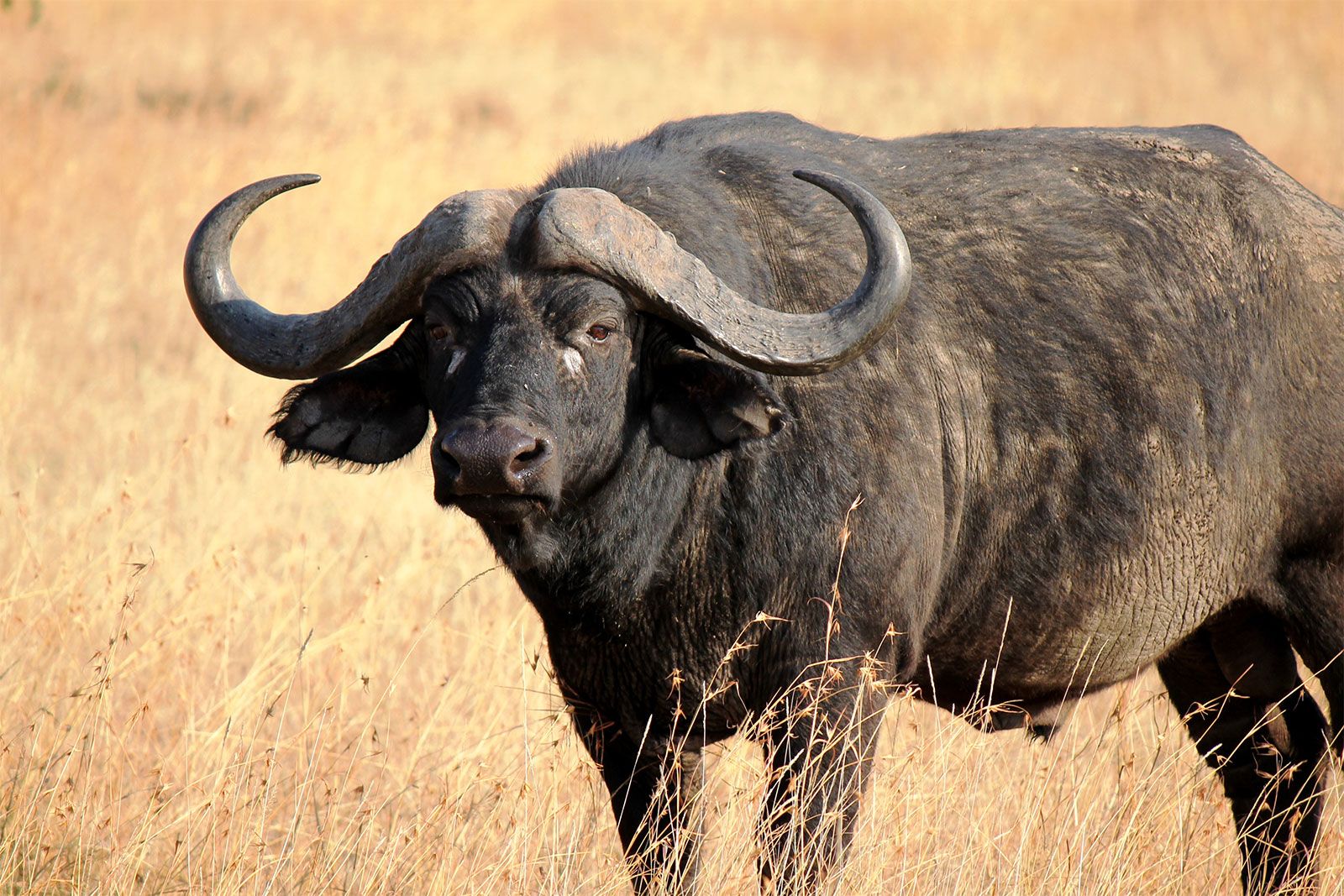
Introduction
The Cape buffalo (Syncerus caffer), also known as the African buffalo, is a large African bovid and one of the most successful large mammals on the African continent. Known for their unpredictable temper and powerful build, Cape buffaloes are considered one of the most dangerous animals in Africa, responsible for more hunter deaths than any other large animal. They are a keystone species in African ecosystems, playing important roles in maintaining grassland and savanna habitats through their grazing activities.
Taxonomy and Classification
The Cape buffalo is a member of the family Bovidae, which includes cattle, goats, sheep, and antelopes. It is the only member of the genus Syncerus. The Cape buffalo is the largest of the African buffalo species, with the forest buffalo being considerably smaller. DNA studies have confirmed the distinctiveness of these subspecies.
Physical Characteristics
Cape buffaloes are massive, powerful animals. Bulls stand approximately 1.5 to 1.7 meters (4.9 to 5.6 feet) at the shoulder and weigh 500 to 900 kg (1,100 to 2,000 lbs). Both sexes carry the characteristic large, heavy horns — those of bulls meet at the base (called a “boss”) and sweep upward and outward, spanning up to 1 meter in mature males.
Distribution and Habitat
Cape buffaloes are found throughout sub-Saharan Africa, inhabiting the savannas, grasslands, and floodplain environments of major conservation areas including the Serengeti, Masai Mara, Kruger, and Okavango Delta. They require areas with permanent water sources and adequate grass cover.
Social Structure
Cape buffaloes are highly social animals that live in large herds of 50 to 500 individuals. Herd composition is fluid and changes with seasons. Females and their young form the stable core of the herd, while adult males form bachelor groups outside the main herd. Old bulls that have been rejected by bachelor groups often become solitary.
Predators and Defense
Healthy adult Cape buffaloes have few natural predators due to their formidable size and defensive herding behavior. Lions are their primary predator. When threatened, buffalo herds will form defensive circles around the calves and elderly members, presenting a wall of horns that deters even lion prides.
Conservation Status
The Cape buffalo is listed as Least Concern by the IUCN, with population estimates of approximately 900,000 individuals. However, some populations face significant threats from disease, habitat loss, and competition with livestock.
Western gorillas belong to the family Hominidae, the great apes, alongside chimpanzees, orangutans, and humans. Their nearest living cousins are the common chimpanzee, Pan troglodytes, and the tree-dwelling orangutan of Southeast Asia. A close relative within the same genus is the mountain gorilla, Gorilla beringei, which lives at higher, cooler elevations to the east. Sharing the African landscape with them are giants such as the African elephant and the formidable Cape buffalo.
Nile crocodiles belong to the family Crocodylidae within the order Crocodilia, the group that also includes alligators, caimans, and gharials and that is closely related to birds and to the dinosaurs. Their closest living counterpart in size and habitat is the saltwater crocodile, Crocodylus porosus, of the Indo-Pacific. Sharing African waterways and coasts with them are the green sea turtle along the shoreline and iconic terrestrial mammals such as the African elephant and the dangerous Cape buffalo.
[…] ancestry despite clear differences in horn shape, body size, and behavior. The closely related African buffalo belongs to a different genus, while the American bison and the domestic yak share the same tribe […]