 By st20113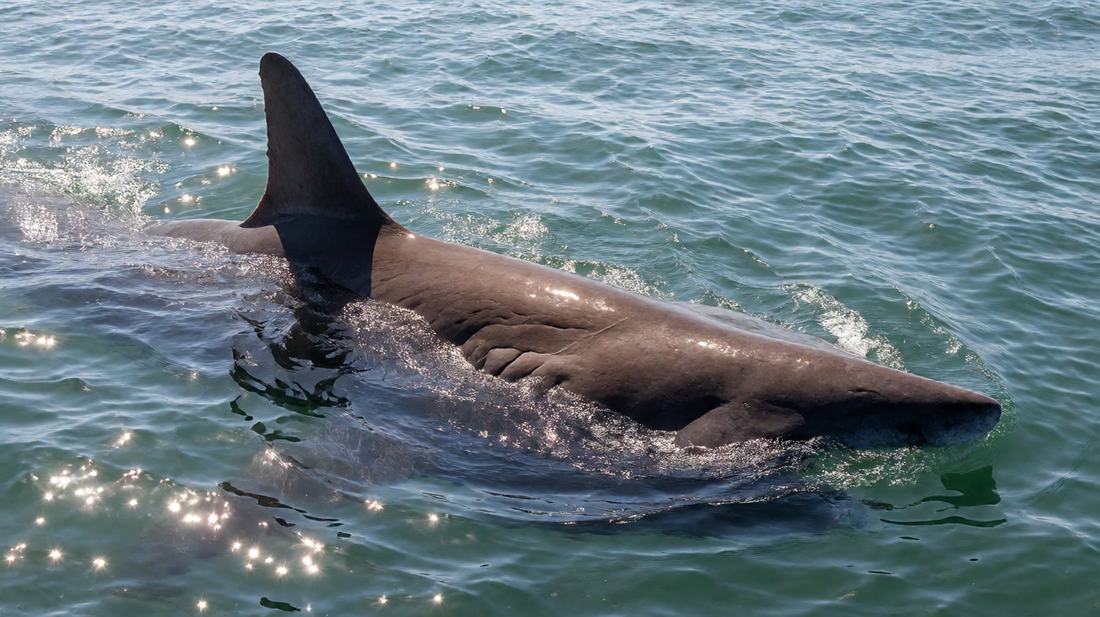
Cetorhinus maximus | Basking Shark
Species Profile · Cetorhinidae
Basking Shark
The second biggest fish in the sea, and a harmless one — a plankton feeder whose enormous gill slits and sunlit basking made it easy to hunt until the fishery had nothing left to take.
IUCN: Endangered
Range
Length
Weight
Young
Gills
The giant that eats the smallest food
A plankton-eating shark
The basking shark is a huge shark that eats plankton. It is the only living member of its family. It is the second biggest fish in the sea. Only the whale shark grows longer. The largest ones reach 12 metres. A basking shark beside a small boat is a sight you never forget.
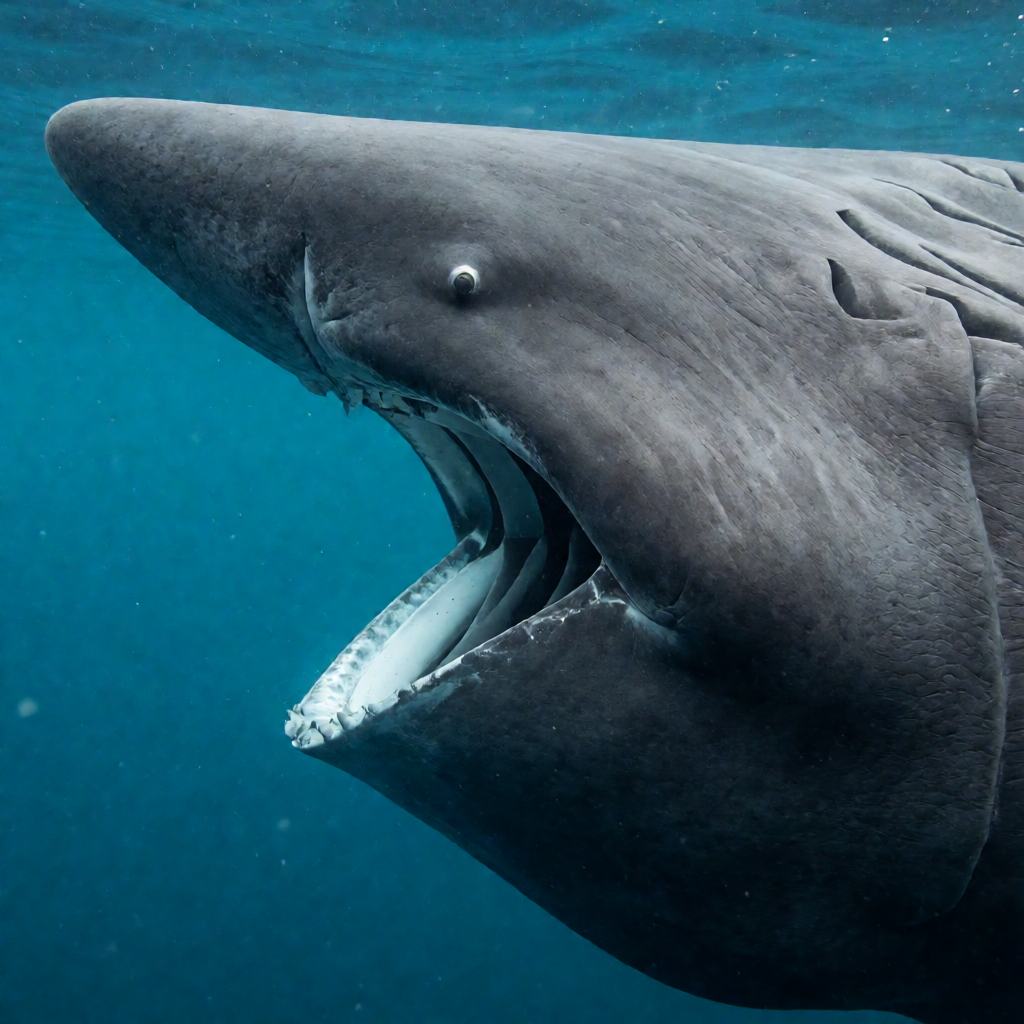
People along the Atlantic coast have told tales of it for hundreds of years. This shark is no hunter. It is a gentle filter feeder. It drifts along with its vast mouth wide open. Water pours out through gill slits that almost ring its head. Those slits set it apart from every other shark.
They also explain the strange shape of its head. The habit of lying at the surface gave the shark its name. It also made the shark easy to kill. A hunt for its liver oil wiped out much of the stock.
Family tree
Cetorhinus, a genus of one
The basking shark sits in the genus Cetorhinus. That genus holds only one living species. It sits in the family Cetorhinidae. That family also holds only one species. The group sits with the mackerel sharks and the threshers. All of them belong to the order Lamniformes. That order holds the great white, the mako and the thresher. So the basking shark is the gentle member of a clan of fast hunters.
Its frame is made of gristle, not bone. Its line is one of the great puzzles of shark study. It is the close relative of the Small-spotted Catshark (Scyliorhinus canicula). That small shark is common on the sea bed of the north-east Atlantic. It shares the same body plan. It shares the same way of breeding. Yet it is no longer than your forearm. The two show how far a shark’s size can stretch.
Gunnerus named the basking shark in 1765. Today we treat it as one species with no subspecies. Sharks of the Atlantic and the Pacific may be separate stocks. They were split when warm seas spread in the ice ages. Modern study uses satellite tags and gene tests. The shark roams far and vanishes each winter.
Huge gills, open mouth
How to identify one
An adult basking shark is 6 to 12 metres long. It is a heavy fish with a round body. It weighs 1000 to 4000 kilograms. The largest females may weigh more. Its snout is long and round, with a slight upward tilt. Its body tapers to the big crescent tail of the mackerel sharks. Its gills are its strangest feature. Five vast gill slits almost ring the head.
They run from the top of the body down to the throat. So the head looks almost cut in two. Long whips hang from the gill arches inside. They act as a sieve. Together they give the shark its scary look. The back and flank are dark grey-brown. The belly fades to pale grey and white. The skin is covered in tiny scales.
They give shark skin its rough feel. The fins are large and three-sided. They give the shark a heavy, slow outline. The dorsal fin and the tail often break the surface. The shark swims slowly with its back and snout in the sun. That pose gave it its name in many tongues. Its liver is huge and full of oil. That oil once drove the hunt and may help it float.
1
2
3
Cool coastal seas
Where it lives
The basking shark needs cool coastal water. It avoids the tropics and the deep open sea. It needs water of a mild heat. It also needs the plankton that blooms near the surface. So it lives off the cool and cold coasts. Most of them are in the north Atlantic and the north-east Pacific. A smaller number live in southern seas. The shark comes to the surface in summer and autumn.
It shows up around the British Isles and Ireland. It also shows up in the Bay of Biscay. It visits the waters off the north-east United States. It visits the Canadian Maritimes too. It lies and feeds at the surface in fine late-summer weather. It gathers where plankton is thickest. It is a seasonal guest on northern coasts in the warm months. In winter it is thought to move to deeper, warmer water.
Tagged sharks have crossed oceans. One stock may travel a very long way in a year. Some cross the equator into the south. The shark often shows over shelves and banks. It uses sea lochs and rocky channels as well. There the tide gathers the plankton. So it follows the blooms just as the great whales do.
A strainer of the surface
What it eats
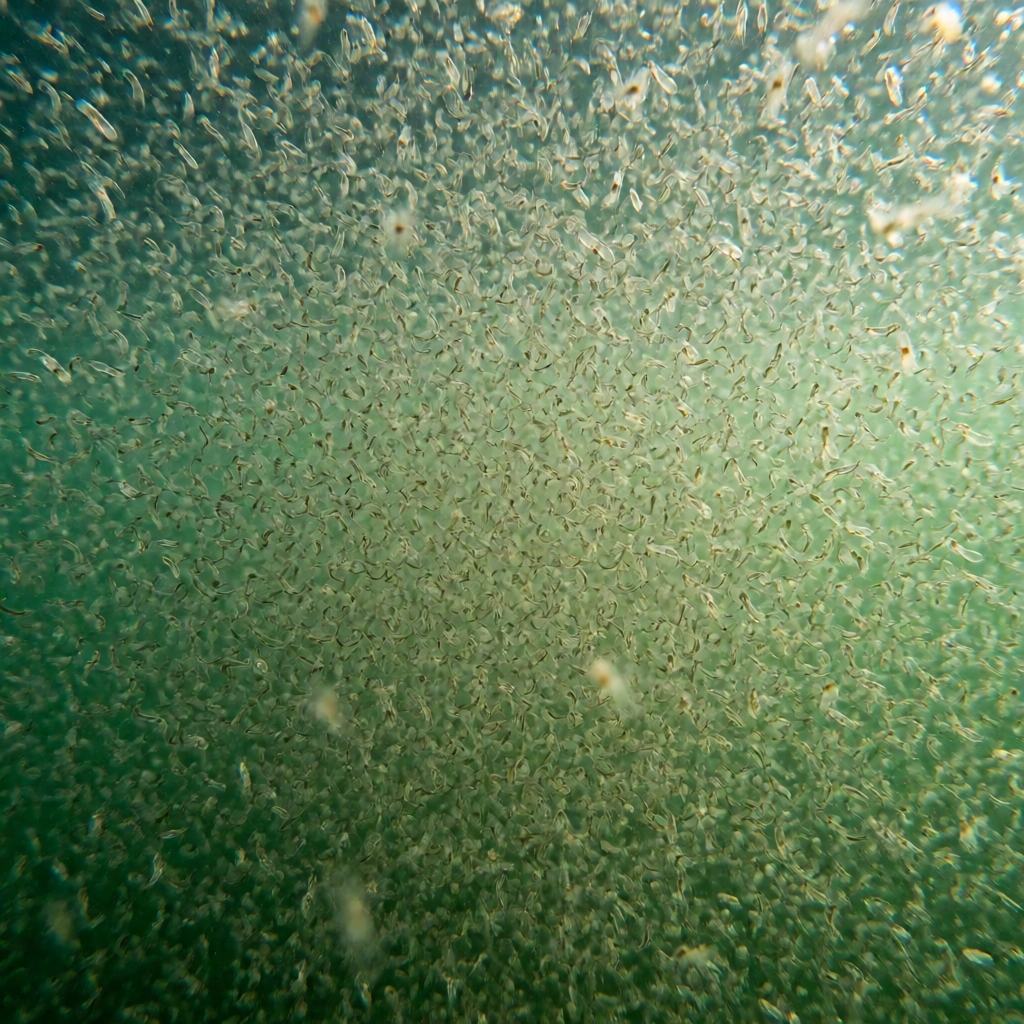
The basking shark is a filter feeder that lives on plankton. Its food is mostly tiny life of the surface layer. Copepods matter. So do other small crustaceans that swarm in spring and summer. Krill matters too. So do the young of crabs and barnacles. Fish eggs and young fish add to the list. The shark also takes slow jellyfish. Its way of feeding is unlike that of any other shark.
It swims forward at a slow, steady 1 or 2 km an hour. It holds its vast mouth open. The gill arches spread wide. Water is drawn in through the mouth. It then crosses the gill rakers. Those act as a fine sieve. They strain the plankton from the water. The shark shuts its mouth now and then. It swallows the food caught on the sieve.
So a huge body can live on tiny, scattered prey. The shark chooses where it feeds. It seeks out the richest patches of plankton. It swims along tide lines where plankton collects. The whole process uses no teeth. Its teeth are tiny and useless. They are the only trace of a flesh-eating past.
A very slow breeder
The breeding cycle
The basking shark is ovoviviparous. The young hatch from eggs inside the female. They are then born alive. The breeding of this shark is among the least known of any big animal. It roams far and spends much of the year in deep water. Females with young are rarely seen. Most of what we know comes from a few females that were cut open. Those carried young in the oviduct.
The litter is small. A newborn pup is a fish of about 2 metres. The pregnancy is thought to be very long. It may last 3 years. The whole cycle is among the slowest of any sea fish. We do not know the age at which it first breeds. Guesses for males run from 12 to 16 years. Females take longer.
So this slow, late-breeding shark copes badly with fishing. A stock that rears so few young cannot replace itself fast. It can be cut down quickly by people. It comes back very slowly. Gene tests on the modern Atlantic stock suggest real loss. Its numbers are still far below the old level.
Hunted to the edge
Conservation
The basking shark is listed as Endangered on the global Red List. That change of status in 2019 mattered a great deal. It marked how much the shark has lost. That a fish once so common should now be at risk is a shock. The whole fall was the work of fishing, not of nature. Hunting is the main cause. The hunt began for liver oil. It went on for fins, meat and skin.
The shark was taken with harpoon and lance. That happened off Scotland, Ireland, Norway and Portugal. It happened off the coasts of America and Japan too. Huge numbers were taken in the 1800s and 1900s. The trade died only when the sharks grew too rare to hunt for profit. So it ended because nothing was left to take. Smaller threats remain. The shark is caught in nets and trawls by chance.
It is struck by ships and propellers. Boats, divers and whale watchers come too close. Pollution harms it as well. The species is now protected in most of its range. World rules govern trade in its fins and goods. The end of the fin trade was a key step. Its future rests on that protection. It also rests on the slow return of a very slow-breeding stock.
Quick hits
Five things to remember
- The basking shark is the second biggest fish in the world. Just one fish grows longer, the whale shark. The largest basking sharks measured have reached 12 metres. Their weight is counted in tonnes.
- Its vast gill slits almost ring its head. The shark holds its mouth and gill arches open as it swims at 1 or 2 km an hour. Long whips on the gill arches sieve the food from the water.
- The liver is huge for the size of the shark and full of oil. That oil was once the main reason the shark was hunted. It may also help the shark float.
- The young are born alive in small litters. A newborn pup is only about 2 metres long. The pregnancy may last 3 years. The shark grows so slowly that its numbers can only come back over decades.
- Huge numbers were taken for oil and fins in the 1800s and 1900s. The trade ended once the sharks grew too rare to hunt for profit. The species was moved to the endangered group in 2019.