 By st20113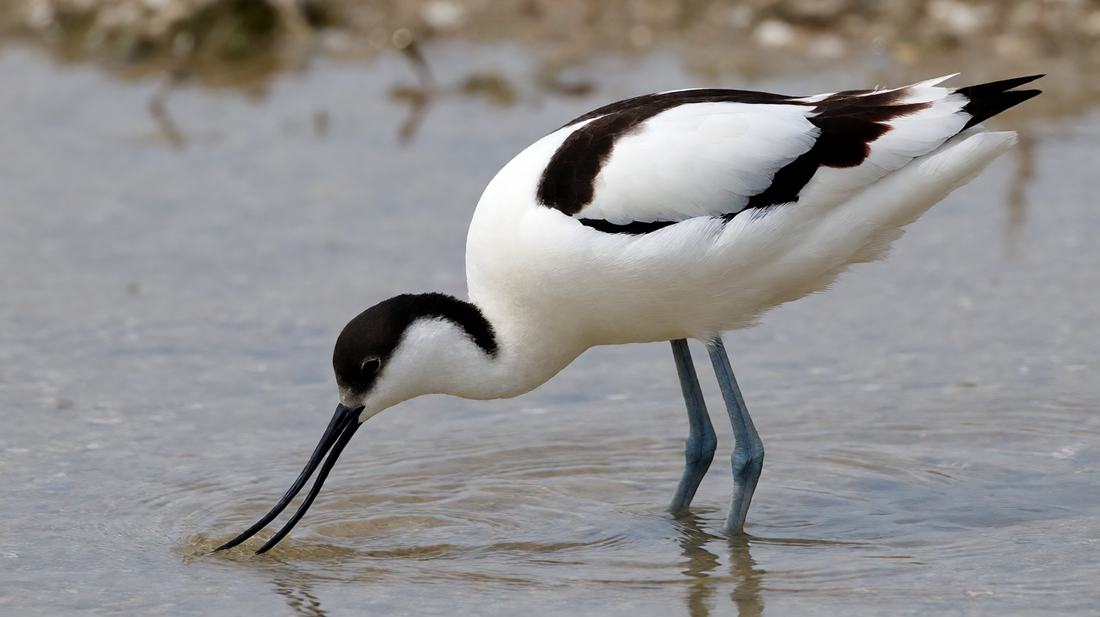
Recurvirostra avosetta | Pied Avocet
Species Profile · Recurvirostridae
Pied Avocet
The only European wader with an upturned bill, sweeping the shallows of the coastal lagoon — and the most celebrated recovery story of the North Sea coast.
IUCN: Least Concern
Range
Length
Bill
Weight
Nest
The bird with the upturned bill
A wader that sweeps the water
The pied avocet is a large, graceful wader. It belongs to the family Recurvirostridae. It is one of the most striking shorebirds of Europe. Its plumage is boldly black and white. Its bill curves upwards. No other European wader has a bill like it. The species likes shallow brackish water.
It avoids the open sea and the freshwater marsh. It lives on coastal lagoons and salt pans. There it sweeps its bill from side to side. That scything motion is unique among waders. It catches small crustaceans and larvae. Its fine looks and noisy colonies have long drawn admirers. Its comeback in the north-west is a famous success.
The avocet was lost as a British breeder in the 1800s. Drainage removed the marsh. Egg collectors and shooters did the rest. It returned in the 1940s. New shallow lagoons gave it a home. Its numbers have grown since from a handful of pairs to more than 1000. That comeback is a landmark of European care.
Family tree
Recurvirostra, the avocets
The pied avocet sits in the genus Recurvirostra. This small group is set apart from other Charadriiformes. Its members have long, slender, upcurved bills. They also have long legs and partly webbed feet. The genus sits with the stilts in the family Recurvirostridae. That family holds about 10 species. They live on every continent except Antarctica. All share a slender build and long legs.
All have a long bill. The avocet is the close relative of the Eurasian Oystercatcher (Haematopus ostralegus). That heavy shorebird shares the same order. Its stout, flat bill prises open shellfish. The avocet sweeps water instead. So the two show one clear idea. Waders turned one bill shape into many tools. Each tool suits a different food.
Linnaeus described the avocet in 1758. Today it is one species with no accepted subspecies. Birds of different regions vary a little in size. They also vary in how much black they show. The range has shifted over 2 centuries. The north-west limit first shrank and then came back. Human action shaped that shift more than climate did.
Black and white, upturned bill
How to identify one
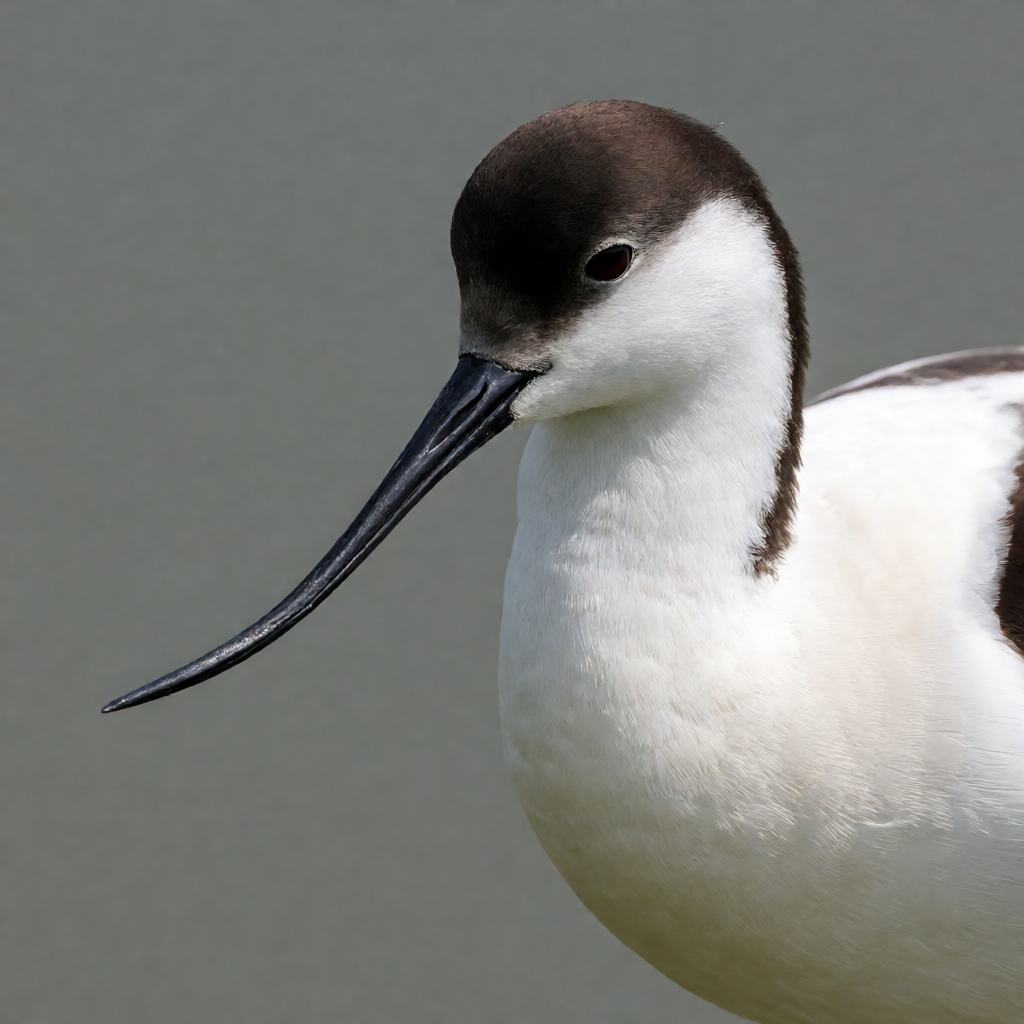
An adult pied avocet is 42 to 46 centimetres long. Its wingspan is 67 to 77 centimetres. It weighs 225 to 400 grams. Its bill is the most striking feature. It is a slender black tool of 75 to 95 millimetres. It curves upward through a small angle. That gives the bird a gentle upturned look. Both sexes look alike. The ground colour of the plumage is pure white.
A black cap covers the crown and hindneck. Black bands cross the wing coverts. On the folded wing they show as bold stripes. In flight they form a broad wing band. The pattern is one of the cleanest of any wader. The legs are long and slender. They are pale blue-grey. In cold salt water they darken towards black. The wings are long and pointed.
Flight is strong and direct with slow beats. The neck stretches out. The legs trail behind. That pose marks the stilts and avocets. The voice is a loud, sweet, fluting call. It comes in flight and from the ground. It is a classic sound of the lagoon. Colonies are always heard before they are seen.
1
2
3
Lagoon, salt pan and marsh
Where it lives
The pied avocet wants shallow, brackish water. It needs flat margins with sparse plants. There it sweeps its bill through the shallows. It also needs low islands and banks. There it lays its eggs in the open. So the species needs very shallow water. It needs bare, quiet shore as well. Those 2 needs decide the site. In summer the bird uses coastal lagoons.
It uses salt pans and brackish marshes. It favours the warmer parts of Europe. It also breeds around the Mediterranean and the Black Sea. It reaches the plains of central Asia. In the north-west it now breeds in growing numbers. Managed shallow lagoons there give it the habitat. Nesting density depends on quiet. It also needs rich shallow water nearby. Adults cannot travel far to feed.
In winter northern birds move south and west. They reach Mediterranean lagoons and estuaries. They also reach Atlantic mudflats of Africa. Flocks may hold many hundreds. They often mix with other shorebirds. Ringing shows the bird comes back to the same lagoon. So its future rests on a few shallow sites.
A sweeper of the shallows
What it eats
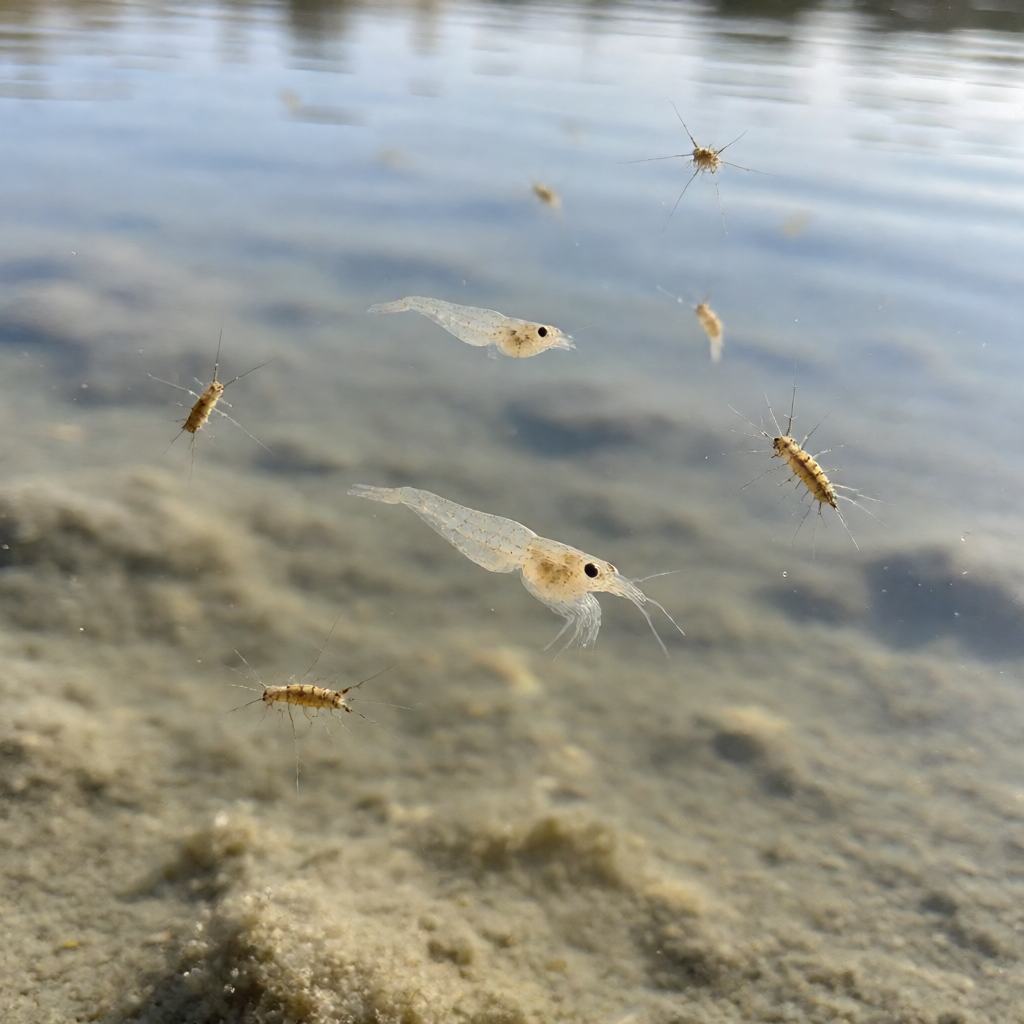
The pied avocet eats invertebrates from shallow brackish water. Its diet is mostly small crustaceans. Brine shrimps and similar species matter. Insect larvae matter too. So do worms and small molluscs of the lagoon floor. Fly, beetle and midge larvae lie in the surface mud. Small fish and fry are taken when present. Its way of feeding made the genus famous.
The bird wades in shallow water. It holds the bill at a slight angle. The tip sits just below the surface. Head and bill then sweep from side to side. Each sweep covers about a metre of water. The upturned tips close the moment they touch prey. The action is fast and precise. That skill has made the avocet much studied.
The bird feeds by day and by night. Enclosed lagoons free it from the tide. Flocks spread over the whole shallow lagoon. That makes them hard to count from shore. The bird depends on plenty of small invertebrates. Saline conditions produce them in abundance. So the avocet stays faithful to very few sites.
A scrape on the bare bank
The breeding cycle
Pied avocets pair in the spring. The bond usually lasts a single season. The birds nest in colonies. A colony may hold a handful of pairs. It may hold several hundred. The whole colony lays and hatches at much the same time. So the chicks appear within a short window. The whole group can then move together to feed. Nesting starts in April and runs into June. The nest is a shallow scrape in bare ground.
It sits on an island, a bank or a low shore. Sometimes shell fragments line it. Sometimes a little plant material does. The clutch holds 3 to 4 eggs. They are laid 1 or 2 days apart. Both parents sit for 23 to 25 days. The eggs are pale buff with dark spots. Scrawls break up the pale ground. That gives some cover on bare ground. The chicks are precocial.
Their down is pale buff and grey. Darker streaks break up the colour. They leave the nest within a day or two. The parents lead them to shallow water. They can swim and wade from the first days. Water is their main refuge from predators. They can fly at 35 to 42 days. Families stay together for some weeks.
The great recovery
Conservation
The pied avocet is Least Concern on the global Red List. Its modern story in the north-west is a clear success. The bird was lost as a British breeder around the middle of the 1800s. It returned only in the 1940s. New shallow coastal lagoons gave it the habitat it needed. Those lagoons were made for wildfowl and for coastal defence. The comeback then became one of the most celebrated feats of reserve care.
The British numbers grew from a single pair after the war to more than 1000 pairs. The avocet became the badge of a major wildlife group. It is now a familiar bird of the North Sea coastal reserves. Real threats remain. Building and fun damage the shallow brackish habitat. Pollution harms it too. Storms and tides flood the low nesting islands.
Rising sea level makes that worse. Feeding grounds are lost to waste and to planting. So the species still depends on a few shallow lagoons. Managers must ditch, pump and graze to hold the right conditions. Its future in the north-west rests almost wholly on that costly work.
Quick hits
Five things to remember
- The pied avocet is the only European bird whose bill curves upwards. It sweeps the upturned tip from side to side through shallow water. The motion looks effortless and graceful. That action has made the species one of the most admired birds of the European wetland.
- The bird was lost as a British breeder in the 1800s and returned only in the 1940s. It is now the badge of a major wildlife group. Its comeback has become the best known success story of the North Sea coast.
- Avocets nest in colonies that may hold several hundred pairs. All the nests get under way together. The group tends to move together to feed. It also mobs predators as one very noisy body.
- The eggs sit in a scrape that is no more than a hollow in bare ground. The bird has no defence against flood and tide beyond the height of the island. So the nesting bank’s height above water is the key thing a reserve manager controls.
- The chicks can swim from their first days and use shallow water as their main refuge. Family parties are often seen swimming in line behind the adult on lagoon reserves in early summer.