 By st20113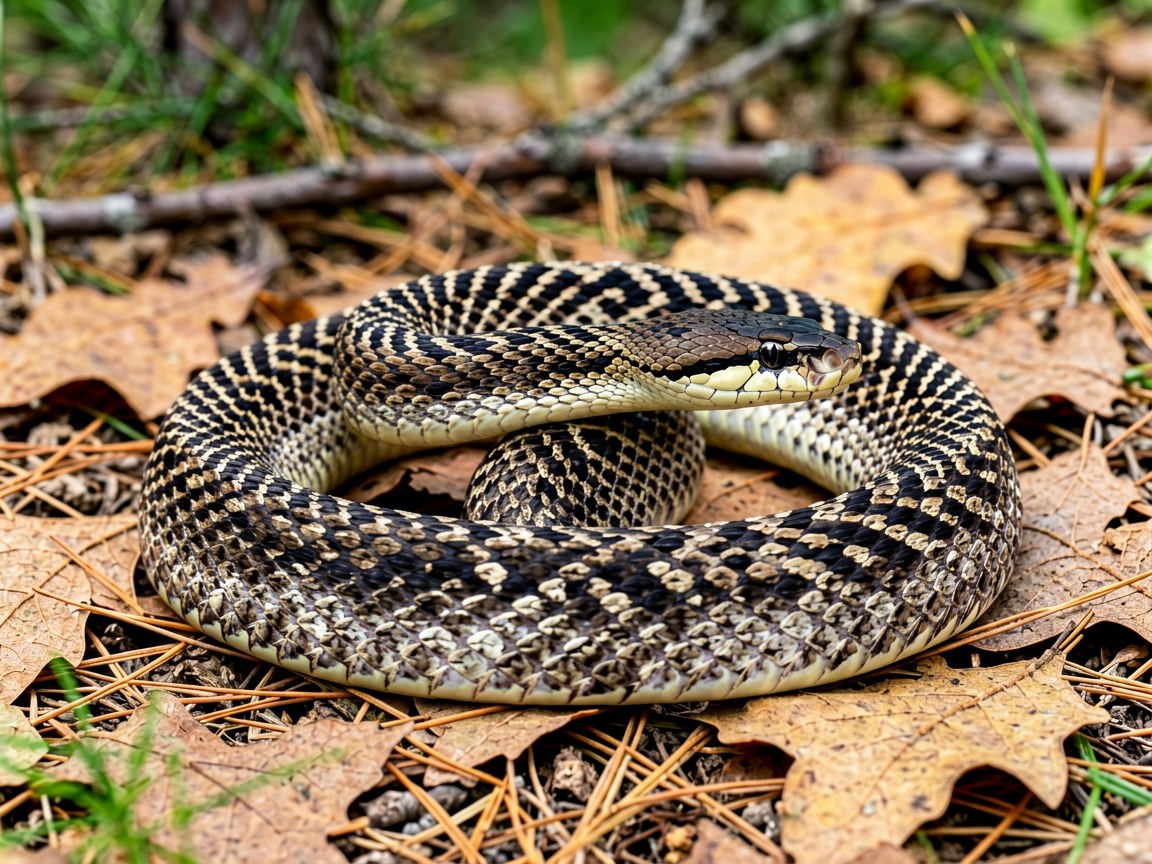
Crotalus adamanteus | Eastern Diamondback Rattlesnake
Introduction
The eastern diamondback rattlesnake, Crotalus adamanteus, is the largest venomous snake in North America and the heaviest member of the genus Crotalus. Native to the southeastern coastal plain from North Carolina to eastern Louisiana, with strongholds in Florida and Georgia, it is an icon of longleaf pine ecosystems and barrier islands. Despite its reputation it is a shy, deliberate predator that avoids people and bites only when cornered or stepped on. A pit viper of the family Viperidae, it delivers potent hemotoxic venom through long, folding fangs, yet most bites occur when humans intrude on its space. Ecologically it is an apex predator of small mammals that helps balance rodent populations, and it has long featured in southern natural history, though roundups and persecution have caused major declines.
Taxonomy
The French naturalist Palisot de Beauvois described the species in 1799. The genus name Crotalus is Greek for rattle, for the keratinous segment chain at the tail tip, and adamanteus references the diamond-like dorsal pattern. Within Crotalinae, Crotalus is a diverse New World pit-viper genus from Canada to Argentina. The eastern diamondback is closest to other North American rattlesnakes, especially the western diamondback, Crotalus atrox, though genetics place the diamondbacks as a distinct, large-bodied clade. For a comparison with another large predator across reptiles, see our profile of the [Nile Crocodile](https://www.gloencyc.com/nile-crocodile-crocodylus-niloticus/). It differs from the western species in greater size, more pronounced diamonds with pale borders, and a flank row of light-bordered spots. No subspecies are recognized; the species is monotypic across its range.
Physical Characteristics
The eastern diamondback is heavy-bodied and thick-set. Adults commonly measure one point two to one point eight meters, with large individuals over two meters and extremes near two and a half; record weights reach about fifteen kilograms. Females tend to be longer and heavier. The namesake pattern is a chain of large dark diamonds outlined in creamy yellow or white down the spine, each centered with a darker tone, flanked by smaller dark blotches and light-bordered spots, and capped by black-and-white tail bands. The head is broad and triangular with small scales and a distinct neck. Heat-sensing pits between eye and nostril detect prey infrared in darkness. The eyes have vertical slits and a fixed transparent brille, and the hollow fangs exceed two centimeters and are replaced throughout life from a reserve.
The body is covered in keeled scales that give a rough texture, and the dorsal scale count is high, often nearly thirty rows at midbody. The rattle is composed of interlocking keratin buttons; a new segment forms each time the snake sheds, so the number of segments reflects the number of sheds rather than the animal’s age, because old segments break off. Newborns are born with a single pale button called a prebutton, and the familiar buzzing sound only develops after the first shed.
Habitat
The species occupies the coastal plain of the southeastern United States, favoring open, fire-dependent systems: longleaf pine savannas, sandhills, scrubby flatwoods, coastal dunes, and salt-marsh margins, plus barrier islands. It prefers well-drained sandy soils where it uses abandoned gopher burrows and other tunnels as retreats during heat or cold. In cooler months it may brumate underground, emerging in spring to bask. Summers drive it nocturnal. A central concern is fragmentation: the longleaf ecosystem it needs has shrunk to a fraction of its extent through logging, agriculture, and fire suppression. Without periodic low-intensity fire the open understory fills with shrubs the snake avoids, so prescribed burning and contiguous protected tracts are vital to persistence.
In Florida the species is especially associated with the dry prairies of the peninsula and the sea islands of the Atlantic and Gulf coasts, where it hunts among saw palmetto and wiregrass. It tolerates surprisingly maritime conditions and has been recorded on narrow barrier islands separated from the mainland by miles of water, presumably reaching them by swimming. Such island populations are particularly vulnerable because even small numbers of removals can erase a local population, and recolonization across open water is unlikely.
Diet
The eastern diamondback is a sit-and-wait ambush predator relying on camouflage and patience. It stations itself along game trails or burrow mouths and strikes with great speed when prey enters range, injects venom, releases, and tracks by scent until the prey is incapacitated. The diet is overwhelmingly small to medium mammals: cottontail and marsh rabbits, squirrels, rats, mice, and occasionally opossums or young raccoons. Birds, including ground-nesters and quail, are taken less often, and juveniles start on lizards and small rodents. The venom is mainly hemotoxic, destroying tissue and disrupting clotting, with some nervous-system effects. The snake meters its venom, often giving a dry, venom-free bite in defense, and can fast for days or weeks after a meal while digesting at elevated body temperature.
A single strike can inject a large volume of venom, among the greatest of any rattlesnake, which is why the species is medically important despite its reluctance to bite. The snake uses its heat pits to aim strikes at the warmest part of a warm-blooded target even on moonless nights, and it can strike at a distance of roughly one third to one half of its body length. After feeding, the diamondback seeks a secure, warm retreat where it can digest; the energy cost of digestion is so high that the snake remains hidden and motionless for much of the interval.
Reproduction
Unlike egg-laying snakes, the eastern diamondback is ovoviviparous, retaining eggs internally so the young are born live. Mating follows spring emergence from brumation, with a fall season in warm Florida. Males perform combat rituals, intertwining and pushing to win access to females. After about six to seven months’ gestation, the female bears six to twenty-one live young, averaging around a dozen, each fully independent at twenty-five to thirty-five centimeters and already equipped with functional venom. The snakes mature slowly, males at two to three years and females later, and may live over fifteen years. Females often skip breeding seasons to recover condition, so populations recover poorly from losses. Late maturity and long generation time make the species acutely sensitive to adult mortality from hunting and roadkill.
Conservation
Globally the IUCN lists it Least Concern, but this hides severe regional declines; many states treat it as endangered, threatened, or protected. Habitat loss leads, followed by persecution and road mortality as snakes cross fragmented patches. Rattlesnake roundups that collected and killed snakes historically devastated local populations, though some now run non-lethal festivals. Illegal collection for pets and venom mills adds pressure. Conservation emphasizes protecting and restoring longleaf habitat with prescribed fire, state prohibitions on take, and education to reduce fear-based killing by teaching safe identification and avoidance. As a slow-breeding apex predator, even modest cuts in adult deaths aid recovery when paired with habitat conservation.
In states such as North Carolina and Louisiana the eastern diamondback is state-listed as endangered, and Florida restricts take and requires permits. Restoration of longleaf pine on public and private land, often through prescribed burning and the removal of invasive woody shrubs, directly benefits the snake by restoring the open ground it needs to hunt and bask. Citizen-science road surveys and telemetry studies are filling gaps in knowledge of movement and population size, while public outreach that reframes the species as a beneficial rodent controller is gradually reducing the shoot-on-sight attitude that once defined human encounters.
Fun Facts
- The eastern diamondback is the largest venomous snake in North America, with records near two and a half meters.
- Its rattle is interlocking keratin segments, one added at each shed of the skin.
- Roughly one in four bites from this snake are dry bites containing no venom at all.
- Heat-sensing pits on its face detect a warm-blooded animal’s body heat in total darkness.
- Newborn diamondbacks are born live, fully venomous, and ready to hunt within hours.