 By st20113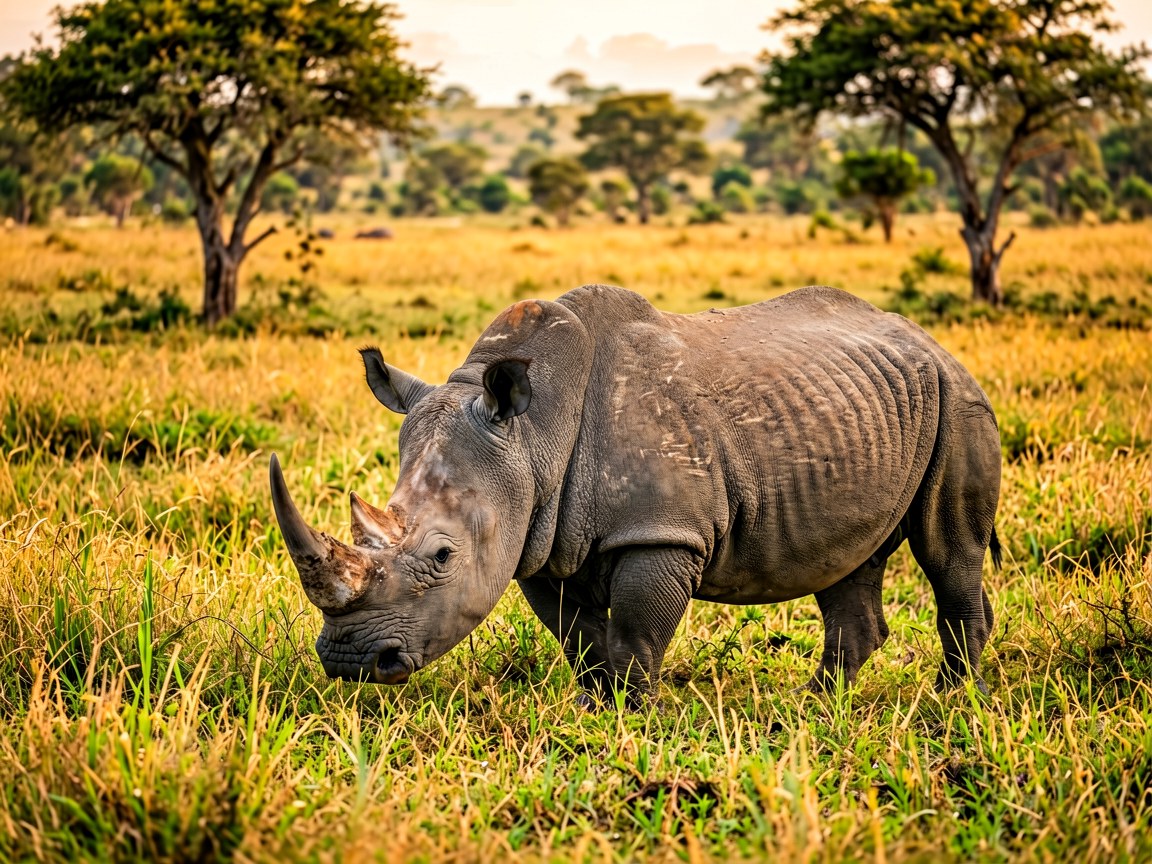
Rhinoceros unicornis | Indian Rhinoceros
Introduction
Rhinoceros unicornis, the Indian rhinoceros or greater one-horned rhinoceros, is a massive herbivore of the riverine grasslands of the Himalayan foothills. Once driven to the brink of extinction, it is today a conservation success story, with numbers recovered from a few dozen to more than three thousand through decades of protection. It is the largest of the rhinos after the white rhino, easily recognized by its single horn and the deep folds of skin that give it an armored, plate-like appearance. Tall grass plains and oxbow wetlands of northern India and Nepal are its stronghold, where it grazes and wallows much like a prehistoric relic. For wildlife lovers, seeing a greater one-horned rhino in the misty grasslands of Kaziranga is a highlight of Asian safari.
Taxonomy
Rhinoceros unicornis belongs to the family Rhinocerotidae, the rhinoceroses, within the genus Rhinoceros, which also includes the Javan rhino. The species name unicornis means “one horn,” distinguishing it from the two-horned African rhinos. It is an odd-toed ungulate, related to horses and tapirs, and a fellow large mammal of the Asian grasslands alongside giants such as the [Giraffe](https://www.gloencyc.com/giraffe-giraffa-camelopardalis/), though the rhino’s bulk and armor-folded skin set it apart. Within Rhinocerotidae it is one of only two single-horned Asian species, and genetically it is closer to the Javan rhino than to the African genus. Its lineage is ancient, with fossils of one-horned rhinos spanning millions of years across Eurasia.
Physical Characteristics
The Indian rhino is huge, with males weighing up to roughly two and a half tonnes and standing about one and a half to two meters at the shoulder. Its most obvious feature is a single black horn, usually around twenty to sixty centimeters long, made of keratin like fingernails rather than bone. The skin is gray-brown, thick, and folded into shield-like plates with rivet-like bumps, giving the impression of plate armor, though the folds are normal skin, not true scalès. A tuft of coarse hair tips the tail, and the ears are small and tube-like. The upper lip is semi-prehensile, suited to grasping grass, and the eyes are small, giving poor forward vision but good hearing and smell. Despite its bulk, it can run surprisingly fast in short bursts, and adult males are territorial and can be aggressive. The calf is born without a pronounced horn and gains it with age.
Habitat
The greater one-horned rhino lives in tall alluvial grasslands and adjacent wetlands, forests, and riverine plains along the Brahmaputra, Ganges, and their tributaries in northern India and southern Nepal. It depends on a mosaic of wet grasslands for grazing and wallows or rivers for cooling and skin care. Seasonal flooding shapes its range, pushing animals to higher ground in monsoon and back to fresh shoots as waters recede. The species is essentially confined to protected areas such as Kaziranga, Pobitora, and Chitwan, where tall grass and water holes persist. It avoids dense forest and dry scrub, needing open grazing interspersed with water. Because its habitat is also prime agricultural land, almost all remaining rhinos live inside reserves, making protection of these grasslands the key to the species’ future.
Diet
Rhinoceros unicornis is a grazer that feeds mainly on grasses, consuming large quantities of the tall species that dominate its range, and it supplements this with leaves, twigs, fruit, and aquatic plants when available. It uses its semi-prehensile lip to pluck clumps of grass and its broad molars to grind tough cellulose. An adult can eat tens of kilograms of vegetation a day, so it spends much of the morning and evening feeding. It frequents wallows not only to cool off but to coat its skin in mud that guards against parasites and sun, and it often submerges with only the horns and nostrils showing. Water plants are eaten where rivers expose them, and the rhino may travel between grazing grounds and water daily. As a large herbivore it shapes the grassland by cropping vegetation, influencing the plants and the many smaller animals that share the habitat.
Through the year the rhino shifts which grasses it eats as the floodplain cycles: in the dry season it concentrates on the coarsest standing species and on sedges along drying channels, while the first green flush after monsoon draws it to fresh, nutrient-rich shoots. It may wade into shallow wetlands to graze semi-aquatic plants and will browse shrubs when grass is scarce. This flexibility lets it use a wide band of habitat, which is why intact corridors between grasslands and rivers matter. Calves learn these seasonal routes by following their mothers, and the loss of a traditional grazing ground to farmland can strand a local group on poorer food. The rhino’s grazing, in turn, keeps the grass sward short and diverse for deer and other grazers.
Reproduction
Females reach maturity around five to seven years and males a bit later, and there is no fixed breeding season, though births peak in the cooler months. After a gestation of roughly fifteen to sixteen months, a single calf is born, weighing about sixty kilograms, and it stays with the mother for up to three or four years, learning the home range and grazing grounds. Calves are vulnerable to tigers and, less often, to crocodiles, so the mother is protective and may charge intruders. Males establish dominance and mating access through displays, vocalizations, and occasional clashes with their horns and teeth. Because a female raises only one calf at a time and the calf dependency is long, population growth is naturally slow even under protection. The lengthy interval between births is why recovery took decades of sustained conservation rather than happening quickly.
Conservation
The Indian rhino is classified as Vulnerable by the IUCN, a remarkable turnaround from the early twentieth century when fewer than two hundred remained. Centuries of hunting for sport and for the supposed medicine value of its horn, plus massive loss of grassland to farming, reduced it to a few scattered populations. Strict protection in parks like Kaziranga and Chitwan, armed anti-poaching patrols, and community-based conservation reversed the decline, lifting numbers above three thousand. The horn, made only of keratin, has no proven medical value, yet poaching for the illegal trade remains the chief threat, spiking when prices rise. Translocation programs move rhinos to establish new populations and reduce crowding in saturated reserves. Continued vigilance, habitat management, and cross-border cooperation between India and Nepal are essential to keep the recovery from unraveling.
Translocation has become a signature tool for the Indian rhino: teams dart adults and airlift them in crates to parks with room for new populations, a delicate operation that has rebuilt numbers in places like Manas National Park that had lost all their rhinos to conflict. These moved animals have reared calves in their new homes, proving the method can restore both numbers and range. Community reserves that share benefits from tourism have also reduced hostility toward the animals, since local people gain from their presence. Still, each success depends on continued anti-poaching patrols, because a single horn can tempt a poacher to undo years of work. The species’ recovery is therefore less a finished story than a maintained one, held in place by constant effort.
Fun Facts
- The Indian rhino’s “armor” is just folded skin, not scales, but it gives the animal a prehistoric, plated look.
- Its single horn is made of keratin, the same material as human hair and nails, with no magical medical power.
- It was rescued from near extinction, growing from under two hundred animals to more than three thousand through protection.
- A calf stays with its mother for years, so a female produces only one baby at a long interval, making recovery slow.
- Despite its bulk, it can charge and run at surprising speed for a short distance when threatened or territorial.
[…] seals have been dug up in Mesopotamia. Indus weights have been found on the coast of the Gulf. The one-horned rhinoceros lived in the tall wet grass of the river plain. Ivory, cotton, beads and timber went out. Silver, […]