 By st20113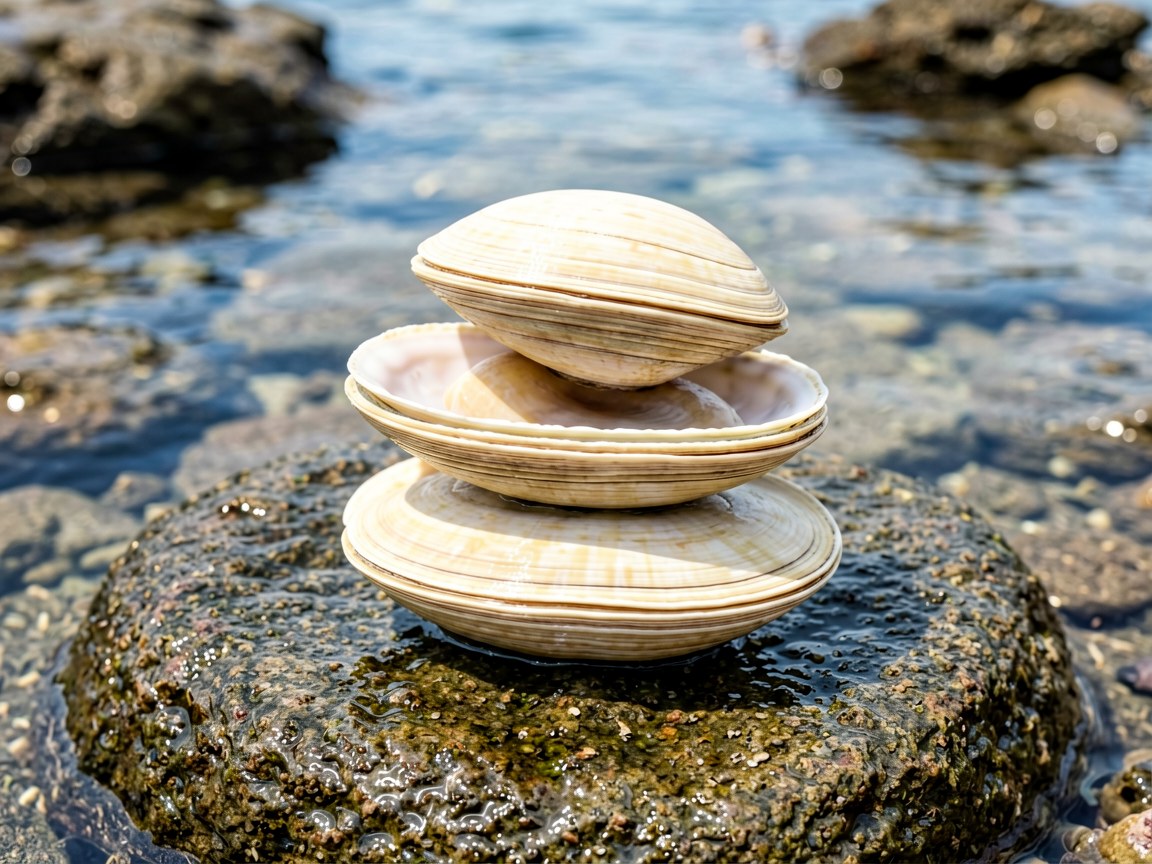
Crepidula fornicata | Slipper Limpet
Introduction
The slipper limpet (Crepidula fornicata) is a small sea snail with a curled, slipper-shaped shell and an unusual private life: the animals stack on top of one another in chains, and each individual changes sex as it grows. Native to North America, it has become one of the most familiar and most complained-about arrivals on European coasts, where it carpets oyster beds, muddy gravel, and any hard surface in sheltered, tidal water.
Taxonomy
Crepidula fornicata is a gastropod mollusc in the family Calyptraeidae, the slipper limpets and cup-and-saucer shells. It shares the basic molluscan body plan of a muscular foot, a mantle cavity, and a rasping radula with far more mobile relatives such as Octopus vulgaris, the common octopus, but it has taken that plan in the opposite direction: rather than hunting, it has become a permanently settled, filter-feeding animal that rarely moves at all.
Physical Characteristics
The shell is oval, up to five centimetres long, with a small, offset spire at one end and a broad shelf—the “deck”—running across the inside, which gives the animal its slipper look. The outer surface is smooth, pale cream to yellowish or pinkish, often with faint brown streaks or blotches. The body beneath is soft and pale, with a broad flat foot that clamps to the surface below. Because the animals cement themselves in stacks, the shape of the lower shells is often distorted by those resting on top.
Habitat
Slipper limpets live on the lower shore and in shallow subtidal water, attached to rocks, shells, pebbles, and man-made structures such as pontoons, ropes, and boat hulls. They favour sheltered, silty, or muddy areas with plenty of suspended food, especially estuaries, bays, and oyster and mussel beds. Chains of a dozen or more animals form where there is no free space, and densities can reach thousands per square metre in favourable spots.
Diet
They are suspension feeders. Beating hairs on the gills draw water into the mantle cavity, and a sheet of sticky mucus spread across the gills traps particles—mostly plankton, diatoms, and organic detritus. The mucus with its trapped food is rolled into a strand and passed to the mouth to be swallowed. Because so many animals filter the same water in such dense stacks, a slipper limpet bed can noticeably clear the water around it.
Reproduction
Their sex life is their most famous feature. Young animals mature as males; as they grow larger and older they change into females, so the bottom of a stack is usually a large female with smaller males piled on top. The female broods her eggs in thin-walled capsules tucked beneath her shell, protected by her foot, and the young hatch as free-swimming larvae that drift for several weeks before settling—often attracted by the presence of adults—and starting a new stack.
Conservation
Globally the species is abundant and not threatened; in its native North America it is an ordinary part of the shore. In Europe, where it was accidentally introduced with American oysters in the nineteenth century, it is treated as an invasive species: dense carpets smother oyster and mussel beds, compete for food, and change the character of the seabed. It cannot be eradicated, so management focuses on limiting its spread through shellfish movements and hull fouling.
Fun Facts
- Every animal starts life as a male and later becomes female as it grows.
- They stack in chains, with the oldest female at the bottom and younger males on top.
- It arrived in Europe accidentally with imported American oysters in the 1800s.
- A dense bed can filter a huge volume of water every day.
- The shelf inside the shell is what makes it look like a tiny slipper.