 By st20113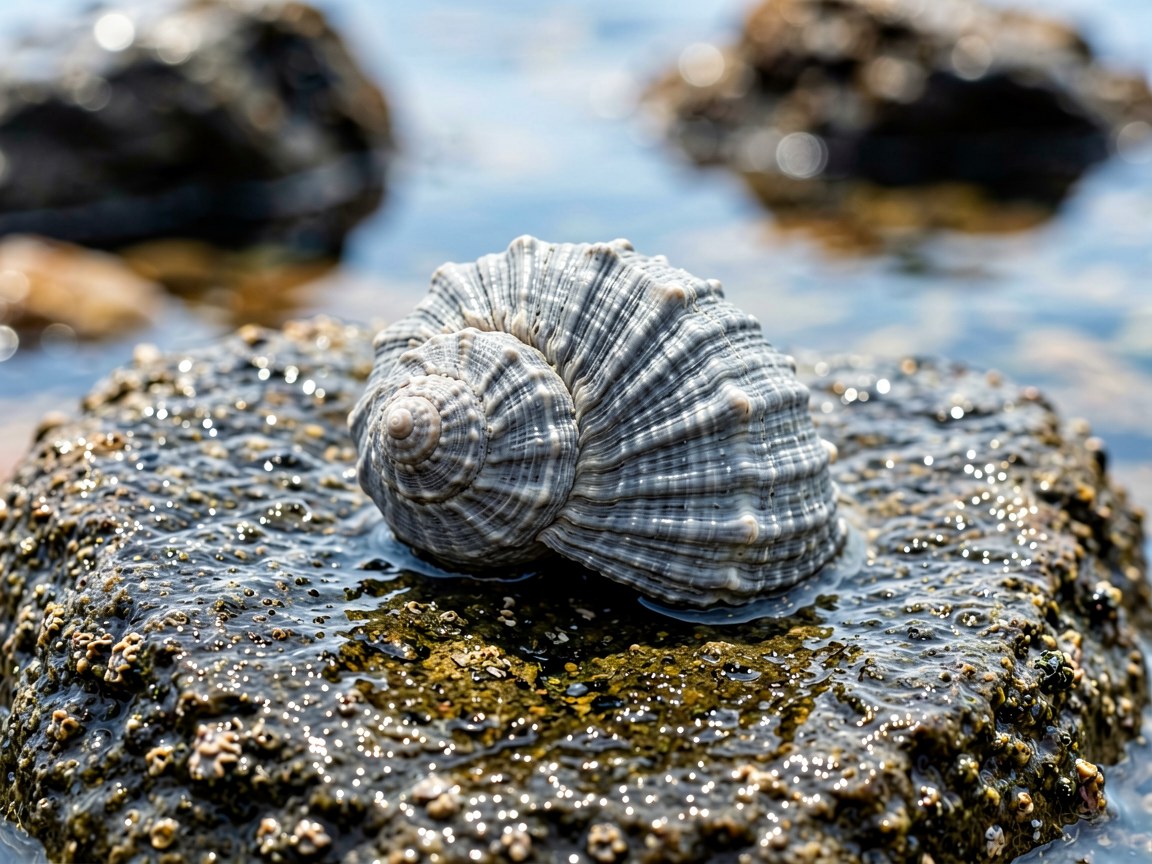
Patella vulgata | Common Limpet
Introduction
The common limpet (Patella vulgata) is the iconic cone-shaped shell of the rocky shore, clamped to stones and boulders between the tides. Found all around the coasts of Britain and western Europe, it is one of the most familiar intertidal animals and a classic example of life adapted to being submerged and exposed by the sea every day. Its conical shell and powerful foot make it a master of holding on.
Taxonomy
Patella vulgata is a mollusc in the class Gastropoda—the snails and slugs—within the family Patellidae, the true limpets. Although it has no coiled shell, it is a close relative of garden snails and of more celebrated relatives such as Octopus vulgaris, the common octopus, sharing the basic molluscan body plan of a muscular foot and a rasping tongue.
Physical Characteristics
The common limpet has a low, conical shell 3–6 cm long, with a slightly off-centre peak and strong radiating ridges, usually grey to yellowish-brown. Underneath is a single large muscular foot that acts like a sucker. The animal has a broad head with a pair of tentacles and eyes at their bases, and a ribbon of tiny teeth, the radula, used for scraping. It is built to resist being ripped off by waves.
Habitat
Limpets live on hard surfaces in the intertidal zone, from the high shore down to the shallow subtidal, favouring exposed and moderately sheltered rocky coasts. Each limpet often returns to the same spot—its “home scar”—on a rock, where the shell edge fits the stone exactly. This homing behaviour lets it settle into a watertight seal when the tide goes out.
Diet
Limpets are herbivores and graze on microscopic algae and diatoms growing as a film on rock surfaces. Using their radula, they scrape the rock clean as they slowly roam in a widening arc while underwater. When the tide retreats they return home and clamp down, conserving moisture until the next immersion. They are a key part of the shore’s grazer community.
Reproduction
Limpets have separate sexes and spawn by releasing eggs and sperm into the water, where fertilisation takes place. The tiny larvae drift as plankton before settling onto rock and developing into miniature limpets. They grow slowly and can live for many years—some for over a decade—gradually enlarging their shell and deepening their home scar.
Conservation
The common limpet is abundant and not considered threatened, though local populations can be affected by shoreline development, pollution, and heavy collecting for bait or food. As a grazer it helps keep rock surfaces clear and supports the wider shore ecosystem. Sustainable harvesting and protected rocky shores help maintain healthy numbers.
Fun Facts
- A limpet can cling with a force many times its own weight, resisting even the strongest waves.
- Each one often returns to the exact same spot on the rock every low tide.
- Its “home scar” is worn into the stone so perfectly that the shell seals watertight.
- Limpets have a ribbon of thousands of microscopic teeth used to file algae off rock.
- Some limpets live more than ten years, slowly carving their permanent address into the shore.
[…] by side on the same rock. The green ormer shares its grazing habit and rock-clinging foot with the common limpet. The conical snail of the splash zone. The limpet has a simple cone shell with no holes and scrapes […]