 By st20113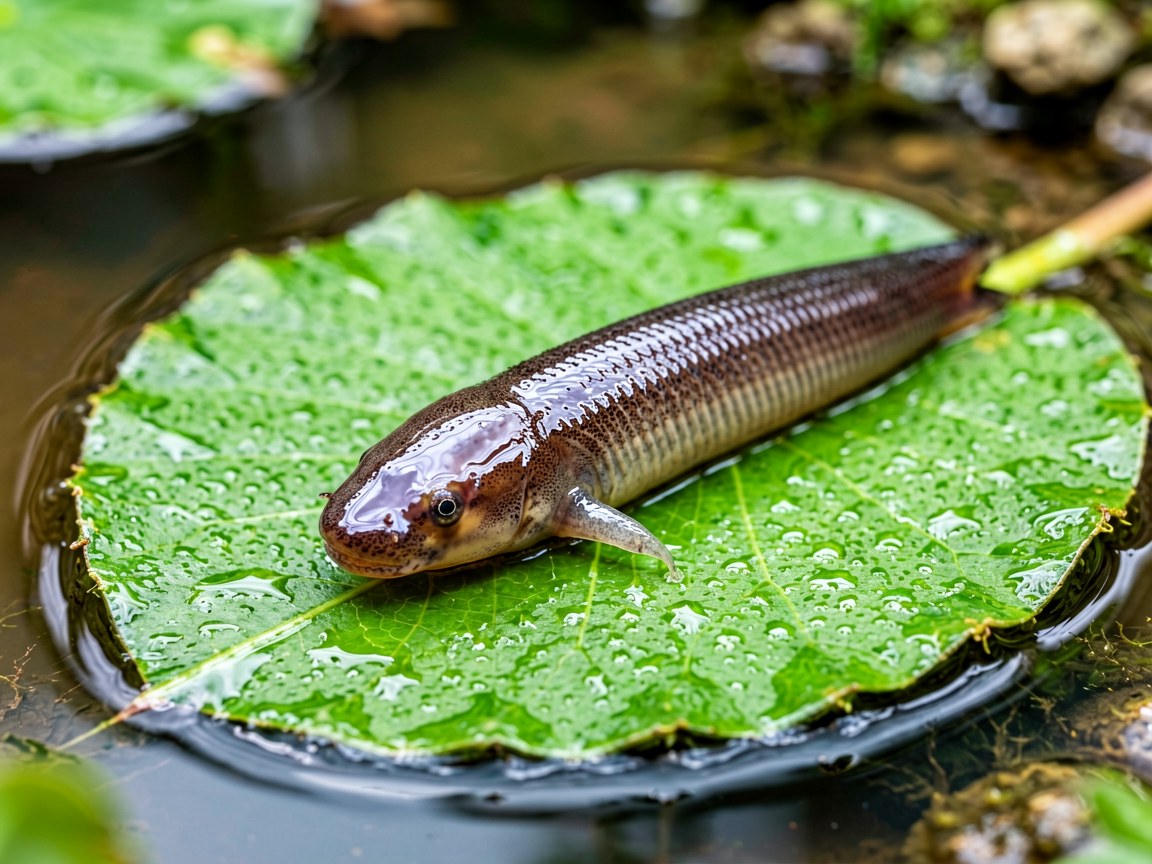
Hirudo medicinalis | Medicinal Leech
Introduction
The Medicinal Leech (Hirudo medicinalis) is a freshwater relative of the earthworm that has one of the longest and strangest medical careers of any animal. For more than two thousand years it was used to draw blood from patients across Europe and Asia, and far from vanishing with old-fashioned medicine, it has made a surprising comeback in modern surgery, where its anticoagulant saliva helps save reattached limbs and skin grafts.
A dark, streamlined worm up to 12 cm long, the medicinal leech is a specialist blood-feeder: a parasite that takes only occasional meals yet can swallow several times its own weight in a single sitting. Behind its unglamorous appearance lies a finely tuned toolkit of suckers, jaws, and biochemistry that modern medicine still borrows from.
Taxonomy
Hirudo medicinalis was described by Linnaeus in 1758; the genus name Hirudo is the Latin for leech, and medicinalis records its use in medicine. It belongs to the family Hirudinidae, within the class Hirudinea (the leeches), which is part of the phylum Annelida—the segmented worms.
Like its earthworm relatives such as Lumbricus terrestris, described in our article on Lumbricus terrestris (Common Earthworm), the medicinal leech is a segmented worm with a soft, muscular body, but it has abandoned the burrowing, soil-eating life for a parasitic one, trading earth for the blood of vertebrates and gaining a pair of suckers and a battery of biochemical weapons to do it.
Physical Characteristics
The Medicinal Leech has a flattened, leaf-shaped body 8–12 cm long, dark olive-green to brown above with a pattern of six reddish-orange longitudinal stripes, and a paler, yellowish underside. At the front and rear it bears two suckers—the larger posterior one for anchoring, the smaller anterior one holding the mouth—and the body is divided into 34 segments, each bearing several surface rings (annuli).
The mouth conceals three sharp jaws, each lined with many tiny teeth, which slice a neat, tri-radiate (Y-shaped) wound as the leech feeds. Its saliva is the real marvel: it contains hirudin and related compounds that stop blood from clotting, dilate vessels, and numb the site, so the wound keeps bleeding gently long after the leech has detached. A network of sensory pits lets it detect heat, vibration, and the carbon dioxide of nearby hosts in the water.
Habitat
The Medicinal Leech lives in slow-moving or still fresh water—ponds, ditches, the margins of streams, and marshy pools—across temperate Europe, favouring warm, well-vegetated water bodies where hosts such as frogs, waterbirds, and mammals come to drink or bathe. It rests among aquatic plants and mud, emerging to feed when a suitable animal appears.
It is sensitive to pollution and to the loss of the quiet, vegetated wetlands it needs, which is one reason wild populations have contracted across much of its range. In contrast to its freer-living relatives, it depends on a steady supply of vertebrate hosts and on clean, oxygen-rich water, making it a quiet indicator of healthy lowland wetlands.
Diet
The Medicinal Leech is a hematophage—a blood-feeder—and an ectoparasite of vertebrates. It attaches with its posterior sucker, cuts the skin with its jaws, and pumps saliva as it draws blood, taking a meal that may equal several times its own body weight. A single feed can sustain the leech for many months, even over a year, so it feeds only rarely.
Its saliva prevents the host’s blood from clotting (hirudin is a potent thrombin inhibitor) and contains mild anesthetics and vasodilators, so the bite is often unnoticed at the time. In modern medicine this is turned to advantage: applied to a freshly reattached finger or flap of skin, a leech relieves dangerous pooling of blood (venous congestion) until the patient’s own veins regrow, quite literally keeping tissue alive.
Reproduction
The Medicinal Leech is a hermaphrodite, carrying both male and female organs, and two individuals mate by lining up and exchanging sperm, each then fertilising its own eggs. After mating, each leech lays a clutch of eggs inside a protective cocoon (often called a “cocoon” or “egg case”) deposited in damp soil or leaf litter near the water’s edge, rather than directly in the water.
The young hatch as small, fully formed leeches and must find their own way to water and their first host. Because breeding depends on undisturbed, humid banks beside clean ponds, the leech’s reproductive success is tightly tied to the quality of its wetland margins—another reason that draining and polluting these habitats hits it hard.
Conservation
The Medicinal Leech is rated as Near Threatened on the IUCN Red List, and in parts of Europe it is protected by law. Its decline stems from the drainage and pollution of lowland wetlands, the disappearance of the ponds and ditches it needs, and—historically—massive over-collection for the medical leech trade that once shipped millions of animals across the continent.
Today the species is also farmed commercially for medical use, which relieves pressure on wild stocks, and it is relicensed in parts of its range where wetland restoration has returned suitable habitat. Conservation effort focuses on protecting and reconnecting quiet freshwater habitats and on regulating any wild harvest, since a single drained pond can erase a local population that took decades to build.
Fun Facts
- Its saliva contains hirudin, a powerful anticoagulant so useful that doctors still use leeches to keep blood flowing in reattached limbs and skin grafts.
- One meal can be several times the leech’s own weight, and that single feed may sustain it for a year.
- The leech’s distinctive Y-shaped bite comes from three jaws, each lined with dozens of tiny teeth.
- Though worm-like, it has a brain made of linked nerve ganglia and can sense heat, movement, and the breath (carbon dioxide) of a passing host.
- After centuries of medical use, it was briefly neglected, then officially “rediscovered” by modern surgery in the late 20th century.