 By st20113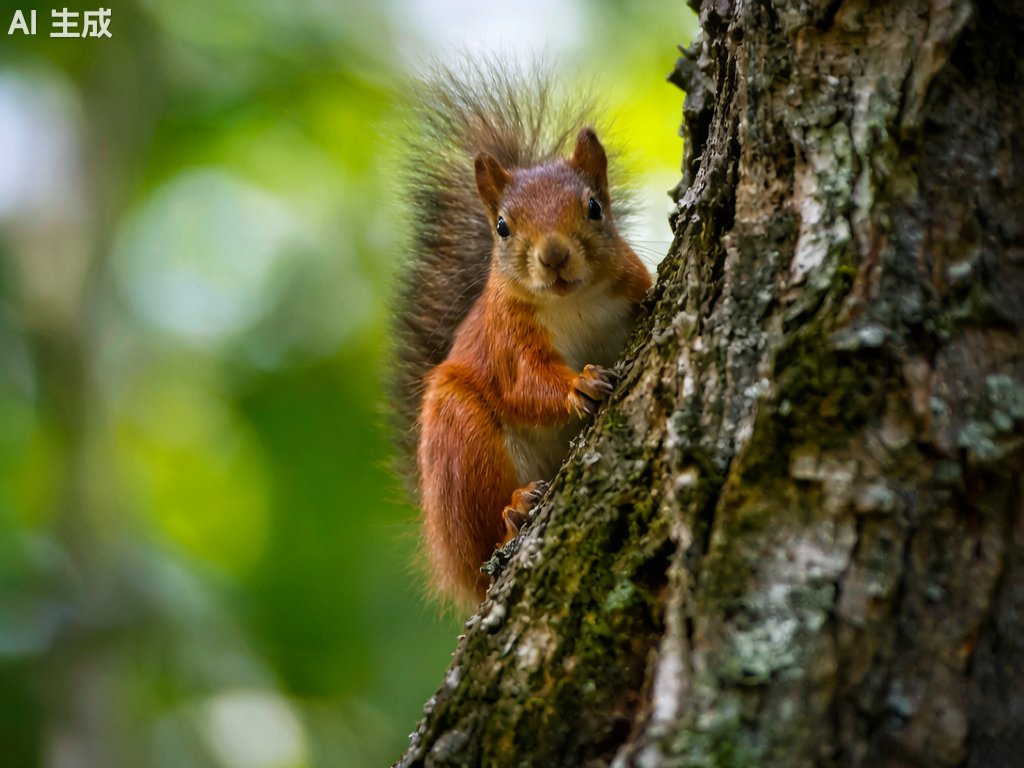
Introduction
The Red Squirrel, scientifically known as Sciurus scirrus, is a medium-sized tree-dwelling rodent native to the forests of Europe and Asia. This agile and colourful mammal is easily recognised by its reddish-brown fur, bushy tail, and distinctive ear tufts that appear in winter. Red Squirrels play a vital ecological role as seed dispersers and forest gardeners, helping to regenerate woodlands through their caching behaviour. Despite their widespread distribution, populations have declined in many areas due to competition with introduced grey squirrels.
Taxonomy
The Red Squirrel belongs to the family Sciuridae, which includes tree squirrels, ground squirrels, and chipmunks. Molecular phylogenetic studies have identified several subspecies across its range, from the British Isles to Japan. The species was first described by Peter Simon Pallas in 1778. Genetic analysis reveals that Red Squirrels diverged from other squirrel relatives much earlier, with the genus Sciurus evolving approximately 10 million years ago in Asia before dispersing into Europe and North America.
Physical Characteristics
Red Squirrels measure 19–23 cm in body length, with a tail of 15–20 cm. Adults weigh between 250–340 g, with males slightly heavier than females. Their fur is reddish-brown on the back and white on the belly, with prominent black ear tufts during winter months. Their large eyes provide excellent vision for navigating through dense canopy, while their sharp claws and flexible ankles allow them to descend trees head-first—a rare ability among squirrels. Their ever-growing incisors are essential for gnawing through hard nuts and seeds.
Habitat
Red Squirrels inhabit temperate and boreal forests, particularly those dominated by conifers such as Scots pine and spruce. They prefer mature woodlands with dense canopy cover and abundant food sources. In the British Isles, they are found primarily in Scotland and parts of northern England, where coniferous forests provide suitable habitat. Red Squirrels are arboreal, spending most of their lives in trees where they build dome-shaped nests called dreys, constructed from leaves and twigs high in the canopy.
Diet
The diet of Red Squirrels is primarily herbivorous, consisting of nuts, seeds, buds, and fungi. They prefer hazelnuts, acorns, and conifer seeds, which they store in the ground or in tree hollows for later consumption. This caching behaviour inadvertently helps regenerate forests, as many stored nuts are never recovered. During autumn, they can consume up to 20% of their body weight in nuts daily. In spring, they supplement their diet with tree buds, shoots, and occasionally insects or bird eggs.
Reproduction
Red Squirrels breed once or twice yearly, with the main breeding season occurring between December and January. Females give birth to 2–5 kits after a gestation period of 38–40 days. Kits are born blind and hairless, developing fur within two weeks. They remain in the nest for six to seven weeks before venturing into the canopy. Sexual maturity is reached at 6–8 months, though most females do not breed until their first winter.
Conservation
Red Squirrel populations have declined dramatically across much of their range, particularly in England and Wales, where they have been largely displaced by the introduced competitor, the grey squirrel. Grey squirrels are larger, more efficient at extracting nutrients from seeds, and carry a squirrelpox virus that is lethal to red squirrels. Conservation efforts include habitat protection, grey squirrel control programs, and public education initiatives to raise awareness about this iconic species.
Fun Facts
Red Squirrels can communicate through a series of chuttering calls, each conveying different messages about food, danger, or social interaction. They are one of the few squirrels capable of descending trees head-first, thanks to their ability to rotate their ankles 180 degrees. A single red squirrel can store up to 3,000 nuts in a single autumn, though they typically recover only about 10% of their cache. Their tail serves multiple functions, including balance, communication, and insulation during sleep.