 By st20113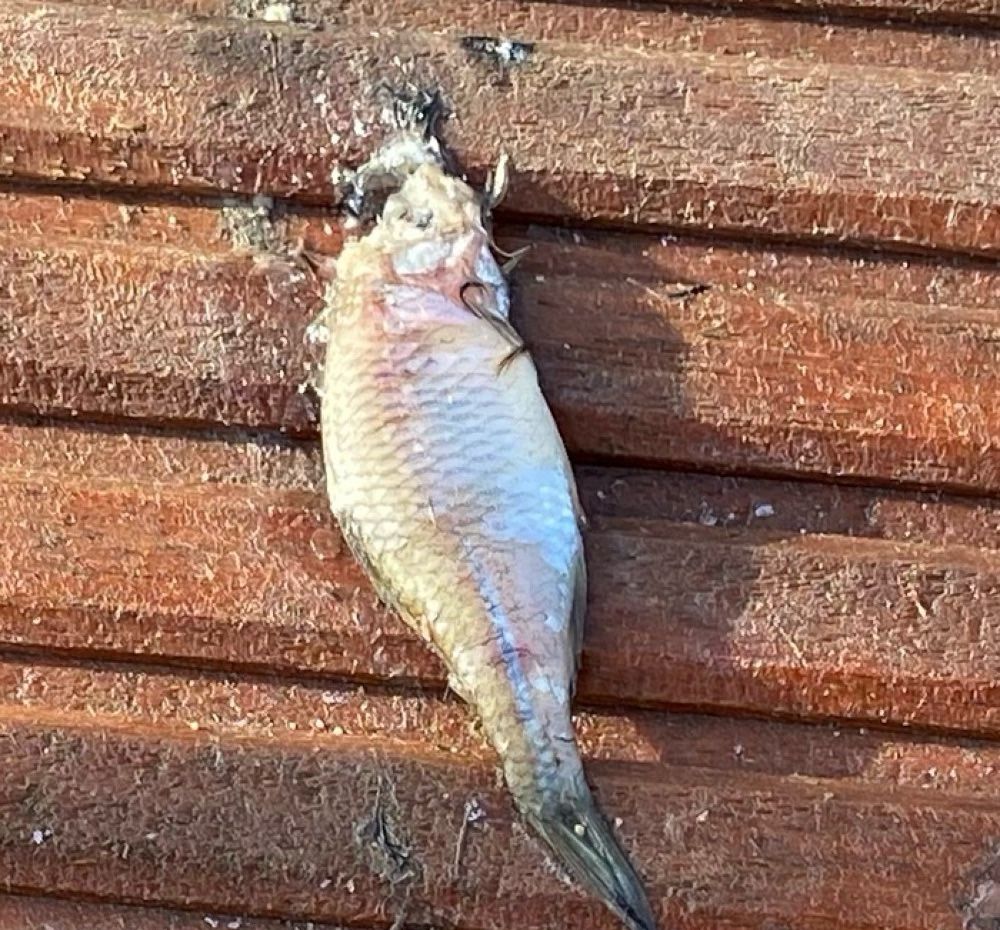
Introduction
The Bitterling (Rhodeus amarus) is a small, colorful freshwater fish found across Europe. This species is remarkable for its unique breeding biology, in which females lay their eggs inside the gills of freshwater mussels. The bitterling has experienced population declines in western Europe due to habitat loss and the disappearance of mussel host populations. The species displays striking sexual dimorphism, with males developing vivid breeding colors.
Taxonomy
Rhodeus amarus belongs to the family Cyprinidae, the carp family. The genus Rhodeus contains approximately 10 species of bitterlings found in Europe and Asia. The bitterling’s unique reproductive strategy has made it a model species for studying sexual selection and host-parasite coevolution. Genetic studies have clarified relationships within this distinctive group.
Physical Characteristics
Bitterlings are small fish, reaching 6 to 9 centimeters in length. Males in breeding condition display striking colors with a red belly, pink flanks, and an iridescent blue-green stripe along the body. Females are duller with a greyish-green coloration and a prominent ovipositor used for depositing eggs inside mussels. Outside the breeding season, both sexes are relatively dull. The European chub is a larger cyprinid that shares some river habitats.
Habitat
Bitterlings inhabit slow-moving or standing waters including ponds, lakes, canals, and the backwaters of rivers. The species requires the presence of freshwater mussels for successful reproduction. Habitat quality depends on both water conditions and mussel populations. The species is found across central and eastern Europe, with scattered populations in western Europe. The European carp shares similar pond habitats with bitterlings.
Diet
Bitterlings feed primarily on algae, detritus, and small aquatic invertebrates including water fleas and rotifers. Foraging occurs near the bottom or among aquatic vegetation. The species has a protrusible mouth adapted for picking food from surfaces. Small prey items are swallowed whole. The bitterling’s small size limits it to correspondingly small food items.
Reproduction
Bitterling breeding is intimately tied to freshwater mussels. In spring, females develop a long ovipositor used to deposit eggs through the mussel’s exhalant siphon. Males defend territories around mussel beds and display to females with vivid colors. Each female may lay 40 to 200 eggs inside a single mussel. Developing embryos are protected within the mussel until they hatch and emerge as free-swimming fry. This strategy protects eggs from predators and environmental fluctuations.
Conservation
Bitterling populations have declined in western Europe due to habitat loss, pollution, and the decline of freshwater mussel populations. The species requires both suitable aquatic habitat and healthy mussel populations for reproduction. Conservation measures include protecting wetlands and improving water quality. The species has been introduced to several countries where suitable mussel hosts occur.
Fun Facts
The bitterling’s reliance on freshwater mussels for reproduction is one of the most unusual breeding strategies among European fish. Male bitterlings perform elaborate courtship displays to attract females to their mussel territories. The mussel benefits from the relationship by having its gills cleaned by the bitterling’s movements. This mutualistic interaction is rare among freshwater fish. The European pond turtle also inhabits the still waters where bitterlings live. The bitterling’s unique reproductive strategy depends on healthy populations of freshwater mussels, making it an indicator species for ecosystem health. Research has revealed complex chemical communication between bitterlings and their mussel hosts. The species’ reliance on mussel hosts makes it particularly vulnerable to freshwater pollution and mussel population declines. Conservation of bitterling populations requires simultaneous protection of both fish and mussel populations. The species has been introduced to several countries where native bitterling species and mussel populations interact differently. Scientific studies of bitterling behavior have provided insights into sexual selection and female choice. Bitterling research has revealed remarkable flexibility in female choice, with females preferring males showing more intense colors and more symmetrical body features. The species has been introduced to several countries where it has established populations in suitable habitats with appropriate mussel hosts. Research on bitterling-mussel coevolution has provided insights into mutualistic interactions in freshwater ecosystems. Water quality improvements benefit both bitterlings and the freshwater mussels required for their reproduction. The species faces competition from introduced bitterling populations in some areas of its introduced range.