 By st20113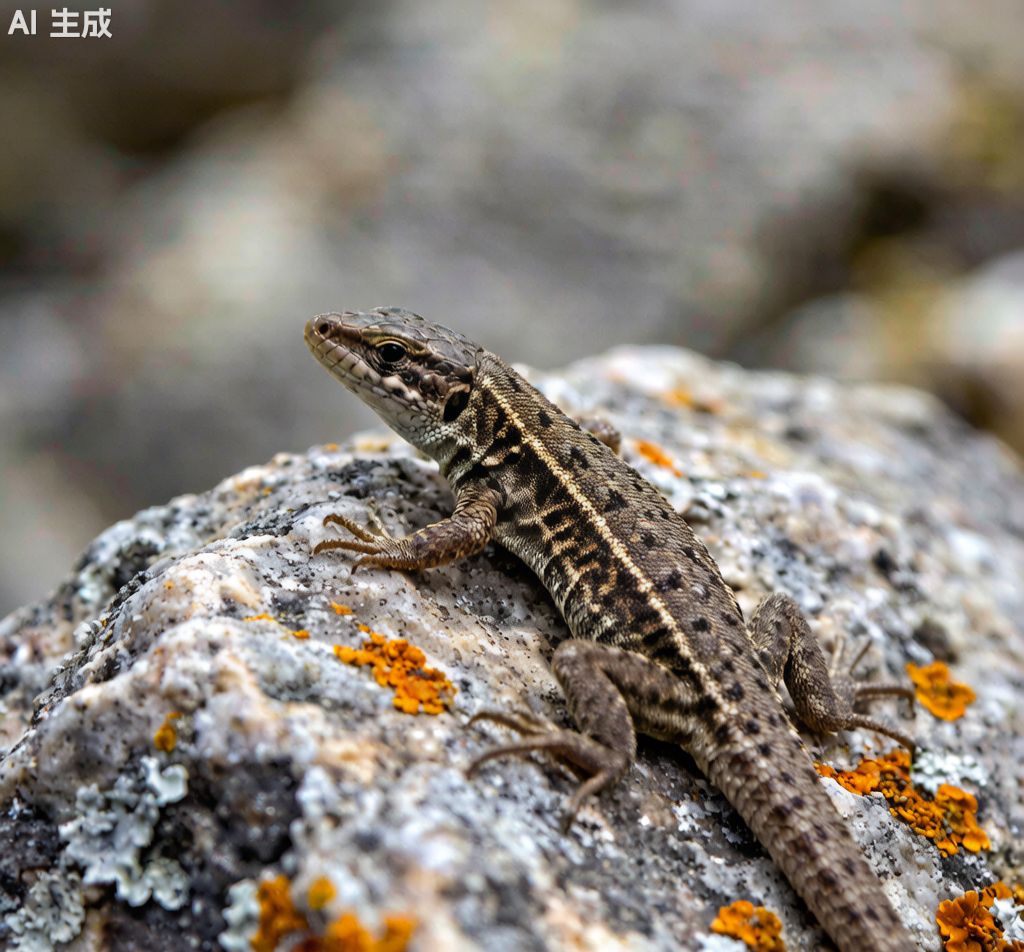
Introduction
The Pyrenean Wall Lizard (Iberolacerta bonapartei) is a small, montane lizard endemic to the Pyrenees mountain range between France and Spain. This species occupies high-altitude rocky habitats where it basks on sun-warmed stones and boulders. As a cold-adapted species at the southern limit of the lacertid range, the Pyrenean wall lizard has specialized physiological adaptations for cooler temperatures and shorter active seasons.
Taxonomy
Iberolacerta bonapartei belongs to the family Lacertidae and was formerly placed in the genus Lacerta. The genus Iberolacerta contains several Iberian mountain lizard species that evolved in isolation during glacial periods. The species was named after the Italian naturalist Carlo Bonaparte. Genetic studies have confirmed the distinct status of Pyrenean populations from related species in the Iberian Peninsula.
Physical Characteristics
Pyrenean wall lizards are small, reaching 5 to 7 centimeters in body length with a relatively long tail. The coloration is generally brownish or grey-brown with darker markings and a light vertebral stripe. Males may develop orange or reddish coloration on the flanks during the breeding season. The species has slightly keeled scales giving a somewhat rough texture compared to smooth-scaled lizards. This species is smaller and more stocky than the western green lizard.
Habitat
This lizard is restricted to rocky habitats in the Pyrenees at elevations typically above 1,500 meters, and up to 2,800 meters in some areas. Preferred habitats include boulder fields, cliff faces, and rock scree where the species can bask and shelter. The short growing season at these elevations limits the annual activity period to approximately four months. The Iberian emerald lizard occupies lower elevation habitats in the same region.
Diet
Pyrenean wall lizards feed on small insects and other invertebrates found among rocks and boulders. Diet includes beetles, flies, springtails, and spiders. Foraging occurs during brief periods of warm weather when the lizard can raise its body temperature sufficiently for activity. The short active season requires efficient foraging to accumulate sufficient energy for reproduction and overwintering survival.
Reproduction
Mating occurs in late spring shortly after emergence from hibernation. Females lay small clutches of two to five eggs in warm soil or under rocks. The high-altitude environment means eggs require several months to incubate before hatching in late summer. Young lizards must grow quickly before winter hibernation. The species may share hibernation sites with the viviparous lizard in areas where their ranges overlap.
Conservation
The Pyrenean wall lizard is classified as Near Threatened due to its restricted range and specialized habitat requirements. Climate change poses a significant threat by potentially shifting suitable habitat to higher elevations with less available space. Conservation measures include habitat protection and monitoring of population trends. The species requires ongoing conservation attention to ensure its long-term survival.
Fun Facts
Pyrenean wall lizards are among the highest-elevation lizards in Europe, active only during the brief mountain summer. The species basks actively even in cool conditions, orienting its body perpendicular to the sun’s rays. Like many mountain lizards, this species is long-lived for its size, potentially surviving 10 years or more. The Pyrenean wall lizard represents one of Europe’s most restricted and specialized reptile species. The Pyrenean wall lizard represents a conservation priority due to its restricted distribution and vulnerability to climate change. Rising temperatures could compress the species’ suitable habitat into increasingly narrow elevational bands at the highest peaks. Research on thermal biology has revealed the physiological limits that constrain this cold-adapted species. The species shares its mountain habitat with the common frog and other amphibians that also require cool, moist conditions. Conservation strategies include protecting existing habitats and establishing connectivity between isolated populations. Long-term monitoring programs track population trends and inform adaptive management strategies. The Pyrenean wall lizard’s restricted distribution makes it vulnerable to stochastic events including severe winters and landslides. Research on mountain lizard thermal biology has revealed how these animals maintain activity in conditions too cold for most reptiles. Climate warming could benefit this species in the short term by expanding available habitat upward, but longer-term projections are concerning. The species shares its mountain habitat with the alpine salamander and other montane specialists. Conservation genetics research helps guide management decisions for isolated populations.