 By st20113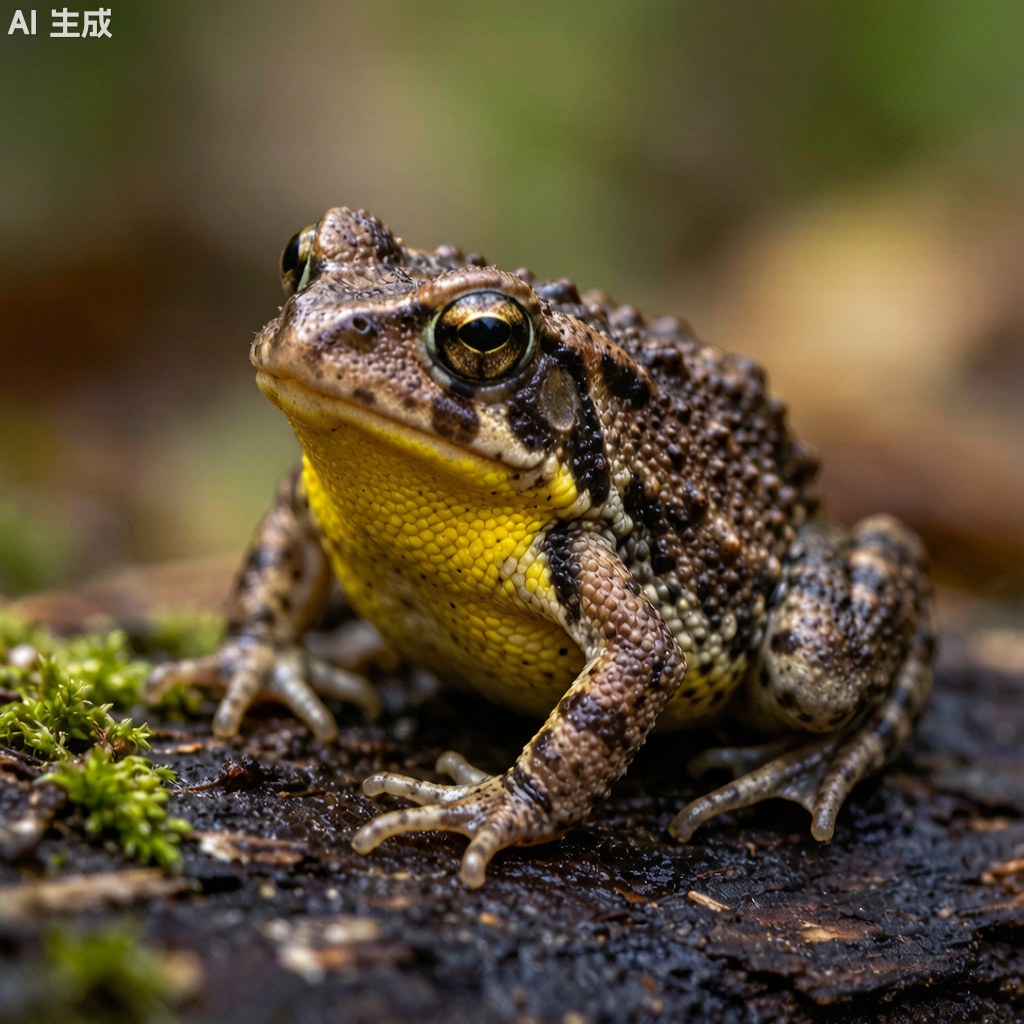
Introduction
The yellow-bellied toad, scientifically Bombina variegata, is a small, unmistakable amphibian named for the bright yellow or orange patterning on its underside. When threatened, it arches its back to flash this warning coloration, a behavior called the unken reflex. Native to the hills and mountains of central and southern Europe, it favors shallow, often temporary pools where larger predators are absent. Its bold belly makes it one of the easiest toads to identify, thanks to that glowing warning underside.
Taxonomy
The yellow-bellied toad belongs to the family Bombinatoridae, the fire-bellied toads, within the genus Bombina. It is related to but distinct from the common frog, which occupies many of the same damp habitats. Unlike typical frogs, bombinas have a more rounded body and prefer to walk rather than leap. Its close relative, the European fire-bellied toad, has red rather than yellow undersides, helping tell the two apart.
Physical Characteristics
Adults are small, usually 3.5 to 5 centimeters long, with a warty, olive-brown back and a vivid yellow to orange belly marked with dark spots. The eyes are positioned high on the head, and the pupils are triangular. The skin is rough, and its bright underside warns predators of mildly toxic secretions. Short legs make the toad a poor jumper, so it usually ambles along the ground or sits half-submerged in shallow water.
Habitat
This species thrives in shallow, sun-warmed pools, puddles, ditches, and the margins of ponds, especially those that dry up seasonally. By breeding in temporary water, it avoids fish and larger tadpole predators. It also uses flooded ruts, quarry pools, and garden ponds. Outside breeding, it hides in damp leaf litter, under stones, or in burrows. The species is characteristic of hilly and mountainous regions with a mosaic of small wetlands.
Diet
Yellow-bellied toads feed on small invertebrates, including insects, worms, spiders, and crustaceans, which they catch with a quick flick of the tongue. Tadpoles scrape algae and organic matter from surfaces, becoming small predators as they grow. Adults forage mostly at dawn, dusk, or after rain when the air is humid. As generalist predators of tiny prey, they help regulate invertebrate communities in and around their shallow pools.
Reproduction
Breeding occurs from spring into summer in warm, shallow water. The female lays eggs singly or in small clusters attached to plants or debris, often producing several hundred over the season. Tadpoles develop quickly, sometimes metamorphosing in just a few weeks if pools begin to dry. This rapid development is a key adaptation to temporary habitats. Young toads leave the water and mature within two to three years in favorable conditions.
Conservation
The yellow-bellied toad is classified as Least Concern but has declined sharply in parts of its range due to the disappearance of small wetlands and intensification of the landscape. It is protected under European law, and conservation focuses on preserving varied, shallow pools and preventing them from being filled or polluted. Artificial ponds and careful land management have helped maintain strongholds for this appealing little amphibian, and its striking appearance has long made it a favorite of amateur naturalists across Europe.
Fun Facts
When alarmed, the toad arches backward and lifts its feet to reveal the glowing belly, a visual warning to would-be predators. Its skin secretions taste foul and can irritate, reinforcing the message. Unlike many frogs, it prefers to walk rather than hop. The species can breed in surprisingly tiny puddles that last only weeks. Males call with a quiet, metallic ping from beneath the water surface during the breeding season. The species tolerates warm, low-oxygen water by basking at the surface to breathe. Its tadpoles develop fastest in the very pools that threaten to dry first, a clever race against time. Unlike many amphibians, it often remains active in daylight. Conservation ponds built specifically for it have rescued local populations from extinction in several countries. Its bold warning belly makes it a favorite subject for nature photographers.