 By st20113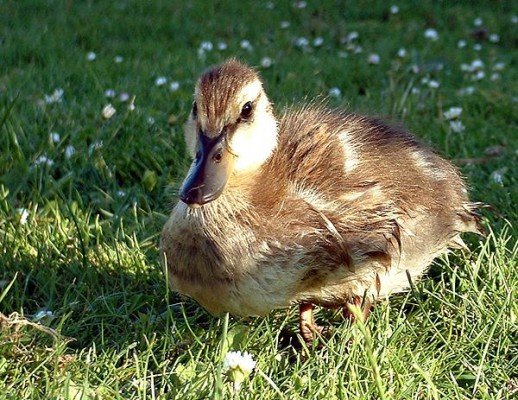
Introduction
The mallard duck (Anas platyrhynchos) is perhaps the most familiar and widely distributed wild duck in the Northern Hemisphere. Considered the ancestor of nearly all domestic duck breeds, the mallard exemplifies the classic duck form with its compact body, webbed feet, and distinctive bill. Found from North America through Europe to Asia, mallards have adapted remarkably well to human-modified landscapes, thriving in urban parks, agricultural wetlands, and natural water bodies alike. Their adaptability, combined with the males’ vibrant breeding plumage, has made them a flagship species for wetland conservation worldwide.
Taxonomy
The mallard belongs to the family Anatidae within the order Anseriformes. The species Anas platyrhynchos is the type species of the genus Anas, which contains the “dabbling ducks” — species that tip forward to feed in shallow water rather than diving. The mallard’s wide distribution and genetic compatibility with domestic ducks have produced numerous feral populations worldwide through escape from captivity. Genetic studies reveal that domestic mallards have extensively hybridized with wild populations in many regions. The species shares close evolutionary relationships with other dabbling ducks including the American black duck and the Mexican duck.
Physical Characteristics
The mallard exhibits striking sexual dimorphism in breeding plumage. Males (drakes) display the characteristic iridescent green head and neck, separated by a crisp white collar, with a yellow bill and a grey-brown body. Females (hens) display cryptic mottled brown plumage that provides excellent camouflage during nesting. Both sexes have a distinctive violet-blue speculum (wing patch) bordered in white, visible in flight. Mallards measure 50 to 65 centimetres in length with a wingspan of 80 to 100 centimetres. Males weigh approximately 1 to 1.4 kilograms while females weigh 0.7 to 1.1 kilograms. The flat, broad bill is adapted for straining food from water and mud, equipped with a comb-like filtering structure called lamellae.
Habitat
Mallards inhabit a vast range across the Northern Hemisphere, from sub-Arctic breeding grounds to subtropical wintering areas. They occupy virtually any freshwater habitat including lakes, ponds, rivers, streams, marshes, and flooded fields. During winter they also frequent coastal bays, estuaries, and sheltered marine waters. Mallards demonstrate exceptional adaptability to urban environments, with resident populations thriving in city parks and ornamental lakes year-round. Key habitat requirements include open water for feeding, adjacent vegetation for nesting cover, and relatively undisturbed areas for brood-rearing. Their adaptability to human-modified landscapes has made them one of the most successful waterfowl species globally.
Diet
The mallard’s diet is exceptionally varied and changes seasonally. During spring and summer, protein-rich animal matter forms an important component, including aquatic insects, larvae, snails, freshwater shrimp, small fish, and frogs. Seeds and vegetative plant material including roots, stems, and leaves of aquatic plants are consumed year-round but predominate in autumn and winter. Mallards feed by dabbling in shallow water, tipping forward to reach submerged vegetation and small invertebrates, or by grazing on land. During the breeding season, females increase their consumption of protein-rich animal matter to support egg production. They can consume up to their body weight in food weekly during peak feeding periods.
Reproduction
Mallards are seasonally monogamous, with pair bonds forming during autumn migration or wintering grounds. Breeding begins in early spring, with females selecting nest sites in dense vegetation, often well away from water. The clutch typically comprises eight to thirteen cream-coloured eggs, which the female incubates for approximately twenty-seven days. Ducklings are precocial — they leave the nest within hours of hatching and can swim and feed themselves immediately. The female leads her brood to water within hours of hatching, providing protection and guiding them to productive feeding areas. Ducklings are vulnerable to predation and adverse weather during their first two weeks, but those that survive reach independence at approximately eight to ten weeks of age.
Conservation
Globally, the mallard remains one of the most abundant and widespread duck species, with a global population estimated at over nineteen million individuals. However, regional populations face significant pressures from habitat loss, pollution, and overhunting. Wetland drainage for agriculture, water pollution from pesticides and heavy metals, and disturbance at nesting sites represent the primary conservation concerns. In parts of western Europe, breeding populations have declined due to reduced habitat quality. The mallard serves as an important indicator species for wetland ecosystem health, and conservation of mallard habitat directly benefits dozens of other waterbird and aquatic species.
Fun Facts
Mallard ducklings can identify their mother’s calls from among dozens of other sounds before they have even hatched from their eggs. The mallard’s widespread vocalization, the familiar “quack,” is almost exclusively produced by females; males produce a softer, rasping sound. Mallards have been observed engaging in a behaviour called “brood parasitism,” where females lay eggs in other mallards’ nests, reducing the host’s reproductive success.