 By st20113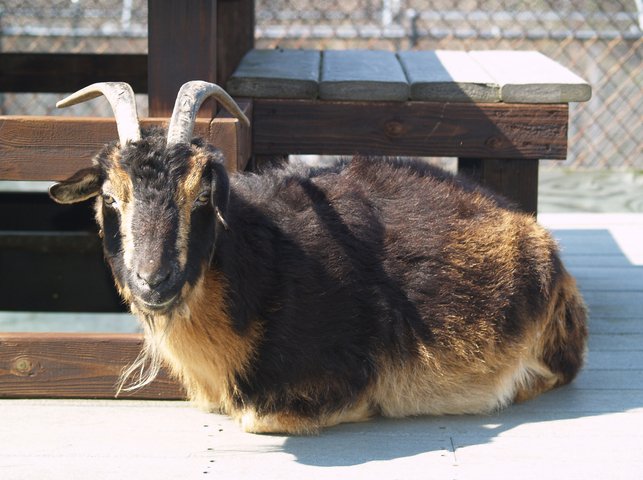
Introduction
The domestic goat is one of the oldest domesticated livestock species, kept by humans for milk, meat, fiber, and skin for more than ten thousand years. Capra hircus is a member of the family Bovidae and descends from the wild bezoar ibex of Southwest Asia. Today goats are found on every continent except Antarctica, from smallholder farms to large commercial operations. Intelligent, curious, and remarkably adaptable, goats have earned a reputation as nimble foragers capable of thriving where other livestock struggle.
Taxonomy
The domestic goat belongs to the genus Capra within the subfamily Caprinae. Its closest wild ancestor is the bezoar ibex, Capra aegagrus, native to the mountains of the Middle East. Through selective breeding, humans have developed more than three hundred distinct breeds suited to varied climates and purposes. Goats share the genus with wild relatives such as the Alpine ibex and the markhor, both of which retain the climbing prowess and horn architecture seen in their domestic cousins. The domestic sheep is a close cousin in the same subfamily.
Physical Characteristics
Goats vary greatly in size depending on breed, from small dwarfs weighing under twenty kilograms to large dairy and meat breeds exceeding one hundred kilograms. Both sexes usually bear horns, which in males are thicker and more curved. A beard is common in many breeds. The coat may be short or long, single or double, and comes in nearly every color. Goats have horizontal, rectangular pupils that give them a wide field of vision, and a divided upper lip that helps them select precisely what to eat.
Habitat
Originally adapted to rugged, rocky terrain, goats today live wherever people keep them, including arid scrubland, mountain pastures, tropical lowlands, and temperate farms. They are browsers rather than strict grazers, favoring leaves, twigs, and shrubs over short grass. Good fencing and shelter are essential, as goats are agile escape artists. They tolerate heat better than cold but perform best in dry conditions with access to shade and clean water.
Diet
Goats are opportunistic herbivores with a diverse palate. They eat grasses, weeds, leaves, bark, and agricultural by-products, using their mobile lips to pick nutritious parts of a plant and reject the rest. Their four-chambered stomach ferments tough fiber efficiently. Given the choice, goats prefer browsing woody plants, which is why they are sometimes used for vegetation management. Clean, mold-free feed and steady access to minerals keep a herd healthy.
Reproduction
Goats are seasonal breeders in temperate zones, with males becoming aromatic and eager in autumn. After a gestation of about one hundred fifty days, does usually give birth to one or two kids, though triplets are not uncommon. Newborn kids stand and nurse within minutes. They are weaned at roughly two to three months. Females can breed as early as seven months, and under good management a doe may produce a litter each year.
Conservation
Domestic goats as a species are abundant and not at risk, classified as Least Concern in a domesticated context. However, numerous heritage and landrace breeds face decline as industrial breeds dominate markets. Conservation efforts by breed registries and smallholder communities aim to preserve genetic diversity and rare traits. Goats also support food security for millions of rural families, making their continued stewardship economically and culturally significant. The donkey similarly underpins rural livelihoods worldwide.
Fun Facts
Goats have excellent memories and can recognize familiar faces for years. They communicate with a range of bleats, each individual sounding distinct. Some breeds produce cashmere or mohair, luxurious fibers harvested by combing. A goat’s pupil is rectangular, helping it scan steep terrain for predators.
Domestic goats have been selectively bred for thousands of years, resulting in more than 300 distinct breeds worldwide that produce milk, meat, fiber, and leather. Their exceptional climbing ability allows them to access vegetation on steep cliffs and rocky terrain that other livestock cannot reach. Goat milk is easier to digest than cow milk for many humans and is increasingly valued for its nutritional composition and potential health benefits.