 By st20113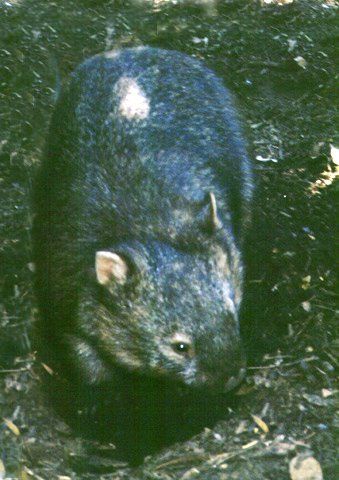
Introduction
The Common Wombat is one of Australia’s most beloved marsupials, recognized for its stocky build, short legs, and charmingly grumpy expression. These rotund animals belong to the family Vombatidae and are the largest burrowing herbivorous marsupials in the world. Despite their teddy bear-like appearance, wombats are remarkably strong and possess unique adaptations for their underground lifestyle.
Wombats have captured hearts worldwide through their endearing appearance. However, beneath their cute exterior lies a tough, resilient animal capable of defending itself against predators and surviving harsh Australian conditions. Their cube-shaped droppings have become internet famous, representing one of the many fascinating quirks that make wombats truly unique.
Taxonomy
The Common Wombat, scientifically known as Vombatus ursinus, belongs to the marsupial order Diprotodontia, which includes kangaroos, koalas, and possums. Within this order, wombats are placed in the family Vombatidae, which contains three extant species: the Common Wombat, the Northern Hairy-nosed Wombat, and the Southern Hairy-nosed Wombat. The Common Wombat is the most widespread member of this family.
Wombats are closely related to koalas, with both families sharing a common ancestor and belonging to the suborder Vombatiformes. This relationship might seem surprising given their very different appearances, but both animals share certain anatomical features, including a backward-facing pouch. The Red Kangaroo represents another iconic Australian marsupial with very different adaptations.
Physical Characteristics
Common Wombats are compact, muscular animals with a rounded body, small head, and extremely short tail. Adults typically weigh between 20 to 35 kilograms and measure about 1 meter in length. Their strong.
Wombats possess remarkably tough, thick skin on their rumps, which serves as a defensive shield against predators and debris. Their fur is coarse and varies from sandy brown to dark brown or black. Their small eyes and.
Habitat
Common Wombats inhabit a range of environments across southeastern Australia, including Tasmania and some offshore islands. They prefer temperate forests, woodlands, heathlands, and coastal shrublands where they can find suitable soil for burrowing. Unlike the aquatic Platypus, wombats are entirely terrestrial and rarely venture far from their burrow systems.
Each wombat constructs an extensive burrow network that may include multiple entrances and chambers extending up to 20 meters in length. These burrows provide protection from extreme temperatures, bushfires, and predators. Wombats may share burrow systems but are generally solitary animals that forage alone. Their digging activities benefit the ecosystem by aerating soil and creating habitat for other species.
Diet
Common Wombats are strict herbivores with a specialized digestive system adapted to extract maximum nutrition from poor-quality vegetation. Their diet consists primarily of native grasses, sedges, roots, and bark. They graze during the night and occasionally during cooler daylight hours, traveling established routes between burrows and feeding grounds.
The wombat’s slow metabolic rate allows them to survive on a low-energy diet that would be insufficient for many other mammals their size. Their digestive process takes up to 14 days, maximizing nutrient extraction from fibrous plant material. This efficiency is crucial in Australia’s often harsh and nutrient-poor environments.
Reproduction
Wombats have a slow reproductive rate compared to many other marsupials. Breeding can occur throughout the year, though peaks may happen in certain seasons. After a gestation period of only 20 to 30.
Inside the pouch, the joey continues developing for approximately six to eight months. After emerging, the young wombat remains with its mother for another 10 to 15 months, learning to forage and gradually becoming independent. Female wombats reach sexual maturity at around two years of age. The slow reproductive cycle makes population recovery difficult when numbers decline.
Conservation
The Common Wombat is classified as Least Concern by the IUCN, with stable populations across most of its range. However, these animals face threats including habitat loss, vehicle collisions, and disease. Sarcoptic mange, caused by parasitic mites, affects some wombat populations and can be fatal if untreated. Road mortality remains a significant concern in areas where wombats travel across highways.
Conservation efforts focus on habitat protection, road crossing mitigation, and treatment programs for mange-affected animals. The two hairy-nosed wombat species face much more serious conservation challenges. Research on Common Wombat biology helps inform conservation strategies for all wombat species.
Fun Facts
Wombats produce cube-shaped droppings, the only known animal in the world to do so. This unusual shape prevents droppings from rolling away when deposited on rocks or logs to mark territory. A single wombat can produce up to 100 cube droppings per night. Their slow metabolism allows them to survive up to two weeks without drinking water.
Despite their cuddly appearance, wombats can deliver a powerful kick and their tough rump can crush the skull of an attacking predator against the roof of their burrow. They can run surprisingly fast when threatened, reaching speeds of 40 kilometers per hour. Early European settlers.