 By st20113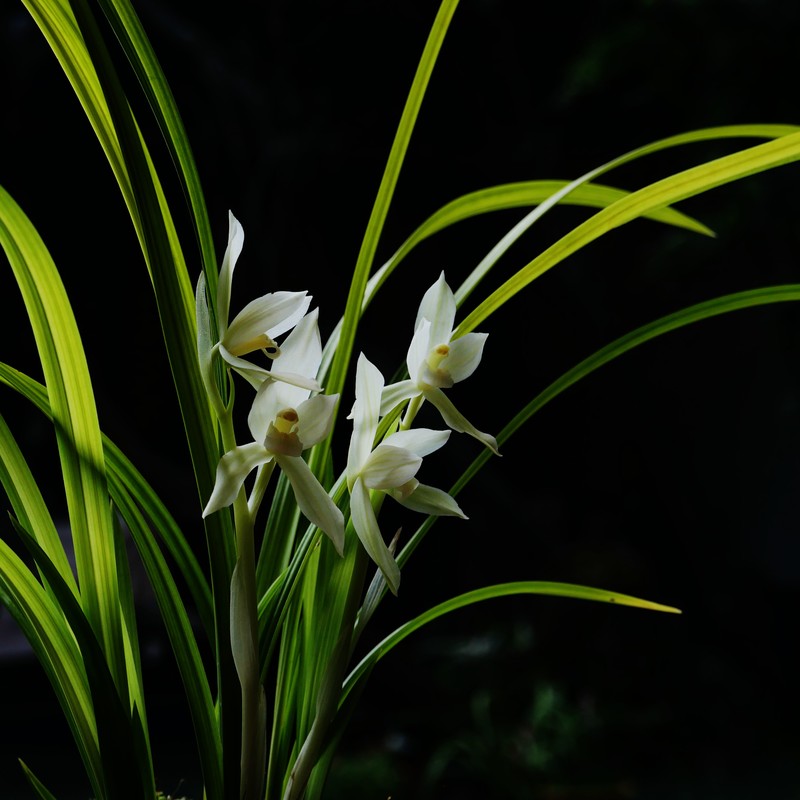
The Orchid family (Orchidaceae) is the largest and most diverse family of flowering plants on Earth, with an estimated 28,000-36,000 species distributed across every continent except Antarctica, from the tropical rainforests of the Amazon and Southeast Asia to the Arctic tundra of Scandinavia and the temperate meadows of North America and Europe. Orchids are among the most evolutionarily advanced and ecologically specialized of all plant families, representing approximately 6-8% of all seed plant species with extraordinary diversity in flower form, pollination mechanism, and ecological strategy. The orchid flower – often elaborately shaped, scented, and colored to attract specific pollinators – represents one of the most remarkable examples of coevolution in the natural world, with some orchid species having evolved to mimic the appearance and scent of female insects so precisely that male insects attempt to mate with the flower (pseudocopulation), inadvertently transferring pollen in the process.
The Orchid-Pollinator Coevolutionary Arms Race
The relationship between Orchids and their pollinators is one of the most spectacular examples of coevolution – the process by which two or more species reciprocally influence each other’s evolution – in the plant kingdom. Classic examples include the Darwin’s orchid (Angraecum sesquipedale) of Madagascar, whose nectary extends 30 cm below the flower lip, leading Charles Darwin to predict in 1862 the existence of an as-yet-undiscovered moth with a 30-cm proboscis – a prediction spectacularly confirmed 41 years later when such a moth (Xanthopan morganii praedicta) was found. This kind of extreme specialization – in which a single plant species depends entirely on a single pollinator species for reproduction – creates extraordinary vulnerability: if the pollinator disappears, the Orchid cannot reproduce, and vice versa. This interdependence is one of the clearest illustrations of how species in an ecosystem are bound together in networks of mutual dependence that can unravel when any single thread is severed.
Most orchids are pollinated by bees, including honey bees, which are among the most important pollinators of agricultural crops and wild plants globally. The pollination ecology of orchids illustrates the same fundamental principle that governs all plant-pollinator relationships: plants offer nectar, pollen, or other rewards to attract pollinators that will carry pollen between flowers, and the quality of the reward reflects the specificity and reliability of the pollination service. Many Orchid species offer no food reward at all – instead, they deceive pollinators by mimicking the appearance of food sources (edible flowers, fungi, or even insect mates), a strategy that is ecologically viable because pollinators are unlikely to remember individual flowers but may visit many in a foraging session, increasing the odds of cross-pollination for the deceptive Orchid.
Mycorrhizal Relationships and Germination
Orchid seeds are among the smallest of any plant – a single seed capsule may contain millions of dust-like seeds that are wind-dispersed across great distances. However, this extreme reduction in seed size comes at a cost: Orchid seeds contain virtually no stored energy reserves and cannot germinate on their own. Instead, Orchid seeds are absolutely dependent on mycorrhizal fungi – soil fungi that form symbiotic relationships with plant roots – to provide the carbohydrates and nutrients necessary for germination and early seedling development. The seedling essentially parasitizes the fungus, extracting nutrients from it until it develops leaves capable of photosynthesis, at which point the relationship shifts to a more balanced mutualism. This absolute dependence on mycorrhizal fungi makes Orchid germination one of the most complex and least predictable stages of orchid biology, and the rarity of suitable fungal partners is a primary reason why many Orchid species are so rare and difficult to cultivate.
Conservation Status and Tropical Diversity
The vast majority of Orchid species – over 70% – occur in the tropical forests of the world, particularly in the tropical Andes of South America, Southeast Asia, and New Guinea, which are the three most biodiverse regions for Orchids on Earth. Tropical forest destruction – driven by agricultural expansion, logging, and infrastructure development – is the primary threat to Orchid diversity globally. Many tropical Orchid species are highly habitat-specific, growing only on particular tree species in particular microclimatic conditions within the forest, making them acutely vulnerable to any disturbance of their forest home. The Orangutan-rich rainforests of Borneo and Sumatra are among the most orchid-rich forests on Earth, and the conservation of these forests – and the ecosystems they support – is directly linked to the survival of thousands of Orchid species.