 By st20113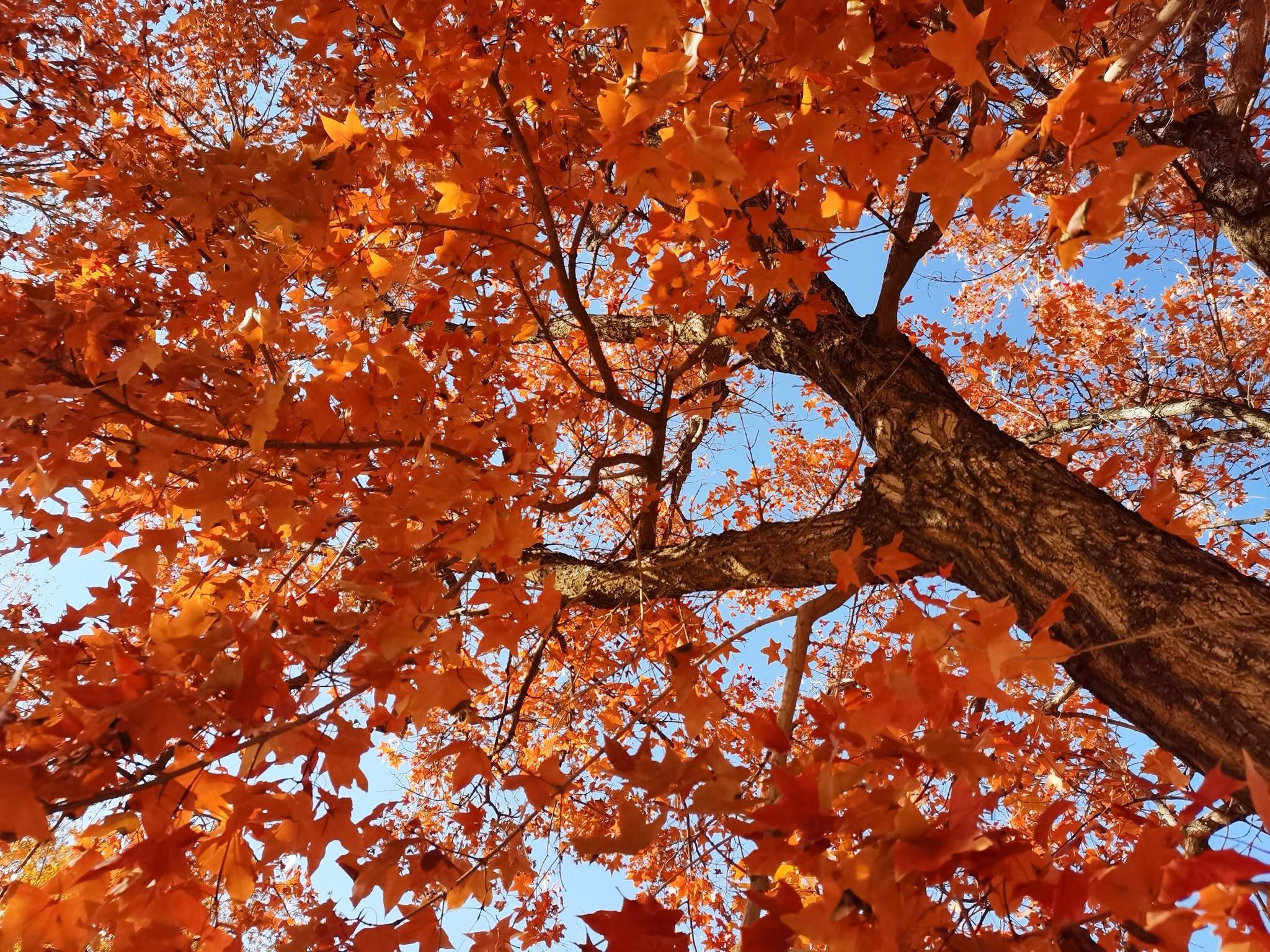
The Maple Tree (Acer spp.), with its iconic hand-shaped leaves and spectacular autumn color transformations, is among the most beloved and economically significant trees in the temperate world. The genus Acer comprises approximately 160 species of trees and shrubs, distributed primarily across the temperate forests of the Northern Hemisphere – from the sugar maple (Acer saccharum) forests of eastern North America to the Japanese maple (Acer palmatum) of East Asian mountain forests, and from the silver maple (Acer saccharinum) of North American riverbanks to the Norway maple (Acer platanoides) that has naturalized across much of Europe. Maples are economically significant for their timber, their sap (which is boiled to produce maple syrup – a multimillion-dollar agricultural product centered primarily in Canada and the northeastern United States), and their ornamental value in urban forestry and horticulture. Perhaps most universally recognized is the Maple Leaf – featured on the flag of Canada and serving as a global symbol of the autumn season in all its fiery splendor.
Autumn Color: The Science of Fall Foliage
The spectacular autumn color display for which Maples are most famous is the result of a precisely choreographed physiological process. During the growing season, the green pigment chlorophyll – which captures light energy for photosynthesis – dominates the leaf’s pigment composition, masking the yellow and orange pigments (carotenoids and xanthophylls) that are also present but hidden. As daylight shortens and temperatures drop in autumn, the chlorophyll breaks down and is not replaced, revealing the yellow-orange pigments beneath. In many Maple species – particularly Sugar Maple, Red Maple, and Japanese Maple – a second process creates the brilliant reds and purples: as chlorophyll degrades, the tree begins to produce anthocyanins, red-purple pigments that are synthesized from sugars remaining in the leaf. The intensity of red color is influenced by temperature, light, and soil moisture, with cool, clear autumn nights and bright sunny days producing the most vivid scarlet displays. This seasonal color change is not merely beautiful – it plays a functional role in leaf senescence, with red pigments potentially protecting the leaf’s photosynthetic apparatus from photooxidative damage during the final weeks of photosynthesis before the leaf is shed.
Ecology and Forest Dynamics
Maple trees are foundational species in temperate deciduous forests across the Northern Hemisphere, providing critical ecological functions that sustain forest ecosystems. The dense canopy of mature Sugar Maple and Red Maple forests creates the cool, shaded understory environment characteristic of eastern North American forests, supporting diverse communities of understory plants, woodland wildflowers, ferns, and mosses. The fallen leaves of Maples – rich in nutrients – decompose to form the organic soil horizon that is the foundation of forest soil fertility, cycling nutrients back into the soil and supporting the complex food web of soil invertebrates, fungi, and microorganisms that sustain forest health. Maple seeds (called samaras or “helicopter seeds”) are an important food resource for a wide range of birds and small mammals, including squirrels, chipmunks, and finches, connecting the Maple to the broader forest ecosystem as a key food source during spring and early summer.
The relationship between Maples and pollinators follows a generalist pattern common to many temperate trees: Maple flowers are pollinated by bees and flies attracted to their nectar and pollen. The timing of Maple flowering – typically in early spring, before the leaves emerge – ensures that pollinators emerging from hibernation have an early-season food source, while the Maple benefits from reduced competition for pollinator attention. The Honey Bee is among the most important Maple pollinators in North America and Europe, and Maple ecosystems provide critical early-spring foraging for honey bee colonies that will later pollinate agricultural crops and wildflowers. This early-season pollinator support is one of the many ecosystem services that temperate forests provide to human food systems and natural biodiversity alike.
Climate Adaptation and Conservation
Maple species are facing significant challenges from climate change, which is altering the environmental conditions under which they have evolved over millions of years. Research on Sugar Maple in northeastern North America – one of the most economically and ecologically important Maple species – has documented declining growth rates, reduced sap sugar content, and increased mortality in populations at the southern edge of the species’ range, where summer temperatures increasingly exceed the species’ physiological tolerances. Climate models project that suitable Maple habitat will shift northward and to higher elevations as temperatures warm, potentially leaving southern populations stranded in increasingly unsuitable environments. Conservation strategies for Maple forests must therefore consider not just the current distribution of these species but the connectivity of landscapes that will allow species to migrate as climate zones shift – requiring the protection of forested corridors from south to north and from lowland to highland environments.