 By st20113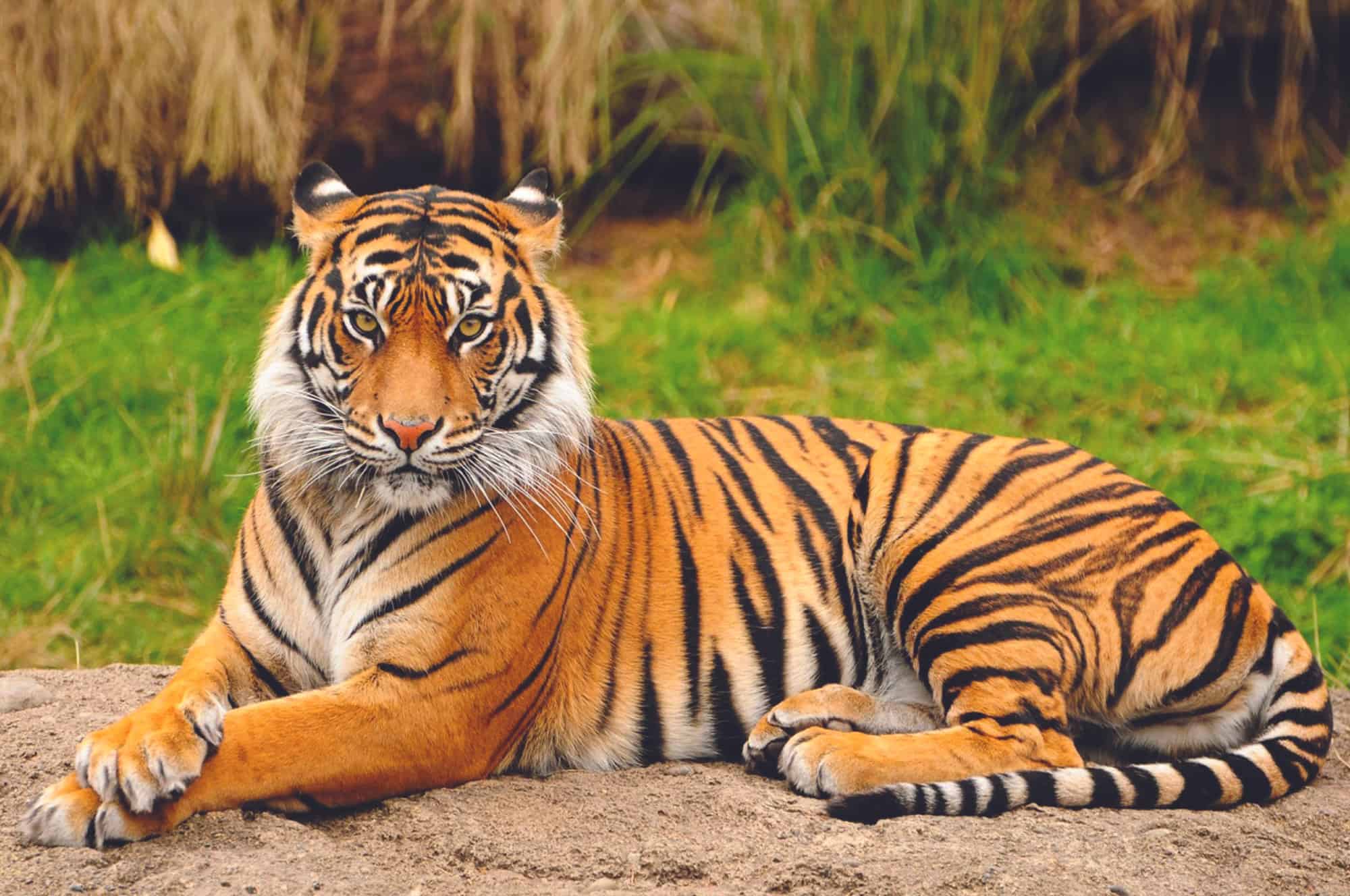
The Bengal Tiger (Panthera tigris tigris) is the most numerous of all tiger subspecies, and one of the most iconic animals on Earth. As the nominate subspecies of the Tiger (Panthera tigris), the Bengal Tiger represents the archetypal tiger — the large, orange-and-black striped predator that has defined the species in human imagination for millennia. Found primarily in India and Bangladesh, with small populations in Nepal and Bhutan, the Bengal Tiger inhabits a range of ecosystems including tropical and subtropical rainforests, mangrove swamps, grasslands, and alpine forests. Despite being the most widespread and abundant tiger subspecies — accounting for approximately 70% of all wild tigers — the Bengal Tiger remains classified as Endangered by the IUCN, with wild populations estimated at approximately 2,500–3,900 individuals in fragmented populations across the Indian subcontinent.
Physical Characteristics
The Bengal Tiger is typically the most richly colored of all tiger subspecies, with deep orange to golden-orange coats marked with distinctive black stripes that are unique to each individual. Males typically weigh 180–260 kg (400–575 lbs) and measure approximately 2.7–3.1 meters (9–10 feet) from nose to tail tip, while females are smaller at 100–180 kg (220–400 lbs) and 2.4–2.7 meters. The largest Bengal Tigers — particularly those from the northern reaches of their range near Nepal and Siberia — can rival the size of the Siberian Tiger, with males occasionally exceeding 300 kg. Bengal Tigers have the most diverse prey base of any tiger subspecies, hunting everything from small rodents and deer to large gaurs (wild cattle) weighing over 1,000 kg, and occasionally even honey bees raiding wild beehives for honey and larvae.
Habitat and Prey
The Bengal Tiger occupies a remarkable diversity of habitats across the Indian subcontinent. The Sundarbans mangrove forest of India and Bangladesh — the world’s largest contiguous mangrove forest — represents the most unusual tiger habitat on Earth, where Bengal Tigers have adapted to a semi-aquatic lifestyle, swimming between mangrove islands, hunting fish and crabs in tidal channels, and occasionally preying on the monkeys and deer that share this labyrinthine wetland. In India’s vast grassland national parks such as Kanha, Ranthambore, and Bandipur, Bengal Tigers hunt chital (spotted deer), sambar deer, wild boar, and nilgai. In the mountainous forests of Nepal’s Chitwan National Park and Bhutan’s Royal Manas National Park, tigers prey on the larger sambar deer and barking deer.
Like all tigers, the Bengal Tiger is an ambush predator that depends on cover and stealth to get close to prey. Unlike the Lion — which lives and hunts in social groups on open savannas — the Bengal Tiger is a solitary hunter of forested environments, relying on dense vegetation and patient stalking to close the gap with prey. This difference in hunting ecology, combined with different habitat types, creates an interesting ecological separation between tigers and lions across the Indian subcontinent and Africa’s African savanna ecosystems.
Conservation Success and Ongoing Challenges
India’s Bengal Tiger population represents one of the most significant conservation successes of the past half century. In 2006, the wild tiger population in India had declined to just 1,411 individuals — perilously close to the threshold that would have meant extinction of wild tigers in India. Through aggressive conservation action — the establishment and effective management of over 50 tiger reserves, the relocation of human settlements from core tiger habitats, anti-poaching units, community engagement programs, and a nationwide tiger census — India’s tiger population has rebounded to approximately 3,167 individuals as of the most recent census. This remarkable recovery demonstrates that with political will, adequate funding, and scientific management, even severely depleted large carnivore populations can be restored, offering hope for other threatened species like the Red Panda and Snow Leopard.
[…] species. Scientists have debated whether some populations are separate species or subspecies. The Bengal Tiger and Red Deer share similar taxonomic debates about subspecies […]